The US Department of Interior’s Office of Indian Energy and Economic Development awarded $3 million as part of its Living Languages Grant Program. Eighteen tribes across the country received funding, including approximately $200,000 to the Citizen Potawatomi Nation, which will extend its language learning resources.
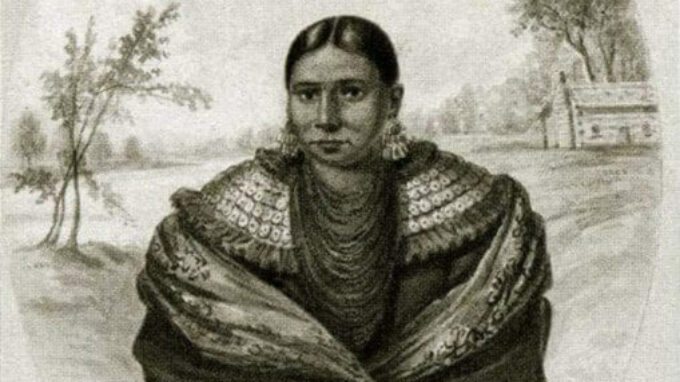
Throughout Potawatomi history, women have contributed to Nishnabé communities in innumerable ways. Some prominent female leaders since the 1800s include Massaw, Watseka, Mary Ann Benache, Joyce Abel, Beverly Hughes and more.
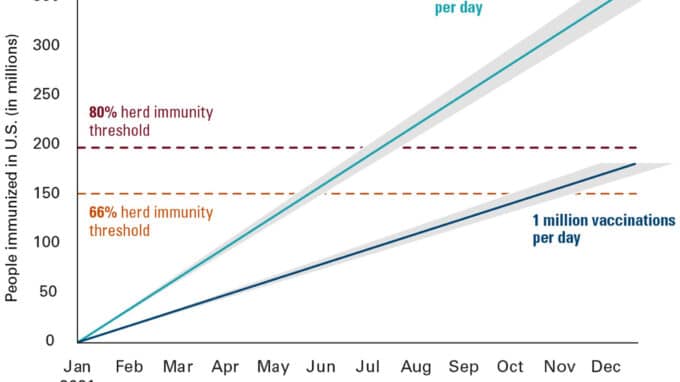
The 2021 Family Reunion Festival will not be held the last Saturday in June for the second straight year. The cancellation comes on the advice of CPN Medical officials as the coronavirus pandemic continues across the United States.
Appropriate boundaries promote healthy development in children and are a necessity, alongside love and support. They allow children and adults to feel safe, have clear expectations and know what is acceptable.
Since we were old enough to open our first bank account, our parents, grandparents and various family members have harped on the subject of a savings account.
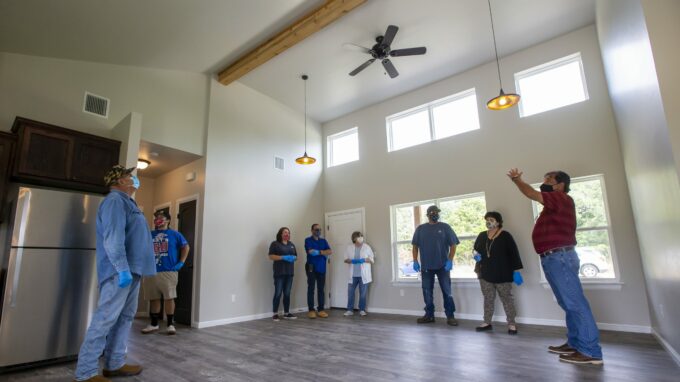
We’ll hear about the history of the now CPN-owned radio station KGFF as it celebrates nearly a century in operation as well as a new program from the Tribe’s housing department to help CPN members become homeowners. The CPN Language Department also tells a traditional story about the creation of North America.
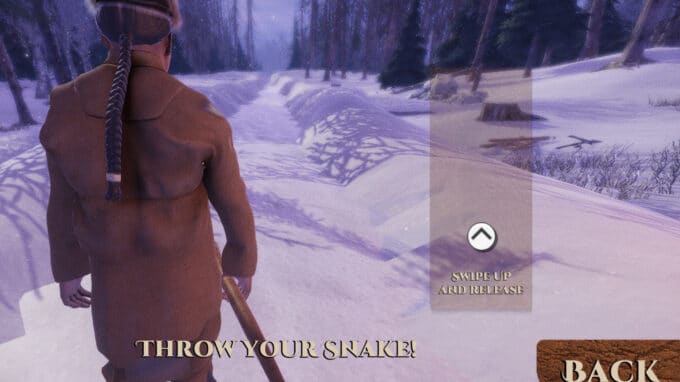
Since time immemorial, Potawatomi have come together to build community through traditional games such as zhoshke’nayabo (snow snake), gwzege’wen (bowl and dice) and mamkeznéwen (moccasin). The Citizen Potawatomi Nation’s Cultural Heritage Center plans to release these games spring 2021 on a free, online format.
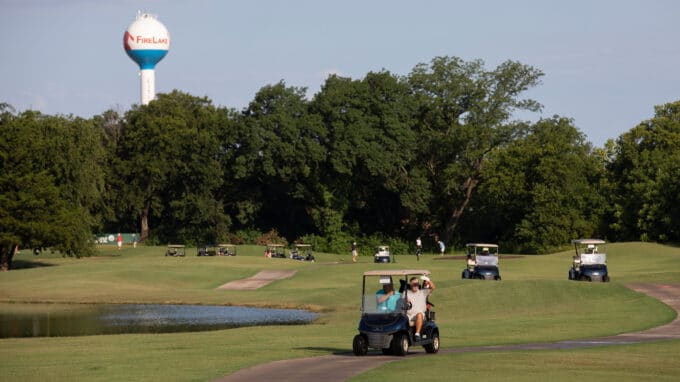
In 2020, FireLake Golf Course saw its numbers increase and celebrated its best year ever since opening in 1983.
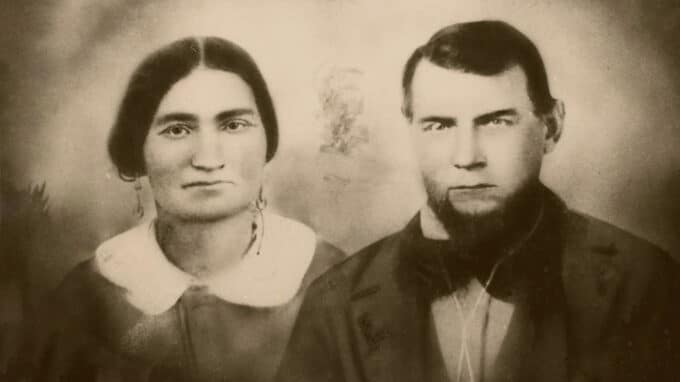
The Darling family’s Potawatomi ties began with the marriage of Elizabeth Ouilmette and Lucius (Louis) Ripley Darling in 1836. Darling descendants have gone on to serve in the military, establish businesses, become talented athletes and more.
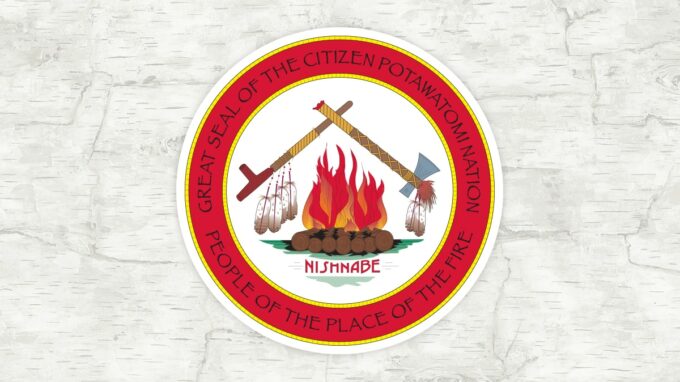
In February 1996, Citizen Potawatomi from across the United States cast their votes during a special secretarial election to reflect the Tribe’s sovereignty as a tribal nation by officially changing its name from the Citizen Band Potawatomi Tribe of Oklahoma to the Citizen Potawatomi Nation.