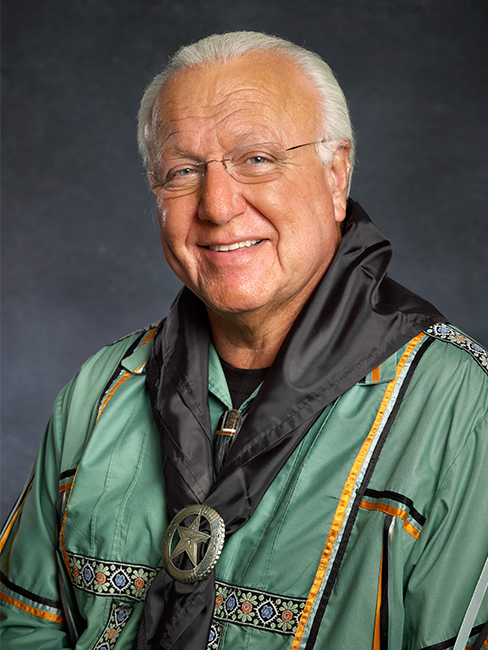
John “Rocky” Barrett
Tribal Chairman
Bozho, nikan, (Hello, my friend),
Summer is a busy time around the Nation, with many events taking place including Family Reunion Festival, the upcoming Gathering of Potawatomi Nations and our annual FireFlight Balloon Festival. This doesn’t even count our Potawatomi Fire pro basketball season at FireLake Arena, our new ballfields complex and the new administration building openings we are all looking forward to. We look forward to seeing you and your families at these events as school ends and the temperatures warm.
As you all know, the Nation joined the Potawatomi Confederation in November, culminating many years of discussions between the various Potawatomi tribes and First Nations. That work continues under the chairmanship of Gun Lake Potawatomi until July, when Forest County Potawatomi will take over chairmanship responsibilities.
One benefit of this closer cooperation came from a connection our staff made through the confederation at the 2026 Reservation Economic Summit. The Potawatomi tribes in attendance held their own mini-summit, where the economic development officials and financial staff from the tribes networked and discussed shared priorities.
A great opportunity for all Potawatomi regardless of location that we learned of is something called the Tribal Talent Connect shared by our cousin Tribe at the Nottawaseppi Huron Band of the Potawatomi.
Waséyabek (wah-say-a-beck) is NHBP’s economic development entity, and its name means “New Day’s Light.” The firm manages a national portfolio including federal contracting, professional services and industrial operations. While based in Michigan, Waséyabek’s companies have jobs open across the U.S.
The Tribal Talent Connect program serves as a centralized bridge for all members of federally recognized Tribes to apply for open jobs. It is not a traditional job board. Waséyabek designed it to match professional talent with openings across their entire family of companies.
Potawatomi elected leaders have known about our respective tribes’ economic endeavors, but have often relied on the Gatherings as the best opportunity to hear updates. Connections from staff and employees alongside our tribal citizens is where the Confederation can improve our shared Potawatomi communities and their interests.
Check all of this out at waseyabek.com/careers if you are interested.
I often close these columns with a heartfelt thanks for the honor of serving as your Tribal Chairman these past 40 years. I am sincere in stating that it has been, and remains, the greatest honor of my life. With elections at Family Festival, we will have a new vice chair position with Linda Capps retiring from service to our Nation. A significant portion of the 40 years I have served have been in good working partnership with my friend Linda. Transitions in elected office are good for any government. But I believe we all share in the bittersweet knowledge that office is no longer served by Vice-Chairman Capps. Speaking as Tribal Chairman and as a Tribal citizen, we owe an immeasurable debt of gratitude to her and her family for allowing us to share so much of her time and effort over the years.
Migwetch (Thank you),
John “Rocky” Barrett | Keweoge (He Leads Them Home) | Tribal Chairman
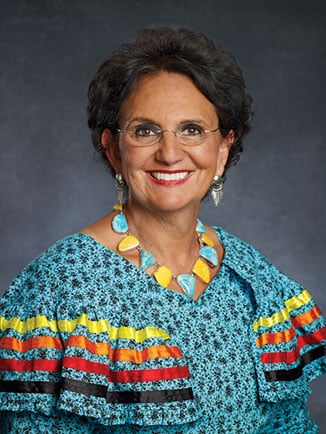
Linda Capps
Vice-Chairman
Bozho (Hello),
As I considered the content of this column (my last) and while I was thinking about the highlights of my career as your Vice-Chairman, it occurred to me that I could write all day about major events, governmental changes, economic developments, strategic advances and infrastructural improvements. I could do so, but the most important element of our Tribe would go unmentioned. Our Tribal members are by far the most important for me to remember as I leave this prestigious office. When I reflect back on all the years of regional and district meetings, telephone conversations, one-on-one meetings and family gatherings, I realize that I am blessed beyond belief to have known our Tribal members and their families. It is easy for me to convey my feelings for our Potawatomi people because I know and love so many of you and your family members.
When Chairman Barrett began our first annual Family Festival in 1998, it was a perfect setting for our Tribal members to interact more between individuals and families. We teamed up for competition, visited more during events, danced together and participated in new activities. As a Tribe, we increased namings and improved our knowledge about traditional ceremony.
In addition to our Tribal members, our CPN employees (both CPN members, other tribal members and non-Native) are the “best of the best” employees in the land. They are the reason that our Tribe is one of the most respected Tribes in the state. We get compliments about CPN employees throughout the whole county and state. We also get constant compliments about our programs. Among those are our health programs, enterprises and entertainment, food and restaurants, housekeeping, emergency management, maintenance, environmental, water district program, electrical, mechanical, transportation, Indian Child Welfare (ICW), Women, Infants & Children (WIC), domestic violence, education, asset management, social services, workforce, accounting, cultural and heritage, travel, human resources, information technology, public information, manufacturer, vehicle maintenance, administrative services, police and security. These are most of our programs that house our nearly 2,400 employees. We also have Sovereign Bank and 12 branches, of which their numbers do not reflect in our employee count.
I will also miss our exemplary Legislators, elected every four years since 2008. We are very fortunate to have the caliber of elected officials that we have at CPN. Our officials are talented, intelligent, educated and experienced. They are good-hearted, conscientious and honest Potawatomi citizens. Their constituents’ well-being is first on their minds and in their hearts. Their integrity is impeccable. They continually fight for services and programs for Tribal members within their districts. Truth of the matter is the Tribe cannot afford to provide equal benefits throughout the U.S. when the lion’s share of resources are government dollars meant for a limited jurisdictional area of our former reservation. This does not mean that our out-of-Oklahoma legislators give up on inquiring. They truly care!
Last, but certainly not least, are my two executive team members, Chairman John “Rocky” Barrett and Secretary-Treasurer D. Wayne Trousdale. I have a great deal of respect for these two gentlemen. They are, indeed, extraordinary leaders. I would put them up with any other tribal leader in the U.S. They are business experts, and they possess many attributes that define outstanding leaders. CPN is in good hands! Your two top leaders will not steer you wrong. They will not jeopardize the assets of the Tribe, they will not endanger the environment of our natural resources, they will protect the rights of our people and will advance our culture and heritage while preserving our language. Your Chairman is known throughout the country. He is admired and sought after as a speaker and sovereign nation builder. Until we meet again, I will always remember my people — our people.
Migwetch (Thank you),
Linda Capps | Segenakwe (Black Bird Woman) | Vice-Chairman | Work: 405-275-3121 | Cell: 405-650-1238 | [email protected]
Steve Livingston
District 1

Bozho (Hello),
One thing I hear often from citizens, especially those of us outside Oklahoma, is the desire for more connection. Citizens want to feel closer to their Potawatomi identity, our culture and one another. Living in District 1, where citizens are spread across many states, that connection won’t happen by accident or convenience. Sometimes we have to go looking for it and put ourselves in places where it can happen.
The good news is there are many opportunities, in-person and virtual, to experience our culture and community.
In June, many Tribal citizens will travel to Shawnee for our annual Family Reunion. For some families, this is an annual tradition. For others, it may be their first time stepping onto Tribal grounds, visiting the Cultural Heritage Center, meeting relatives, driving by family allotments, or simply being surrounded by other Potawatomi people.
My grandma and her cousins attended intertribal powwows in the late 80s and early 90s, but I did not attend my first Family Reunion until around 2015 or 2016. It was the start of many more gatherings and new friendships. If you can attend, talk to people. Ask questions. Visit the places you may have only read about in the Hownikan. I hope to meet as many District 1 citizens as I can while I am in Shawnee.
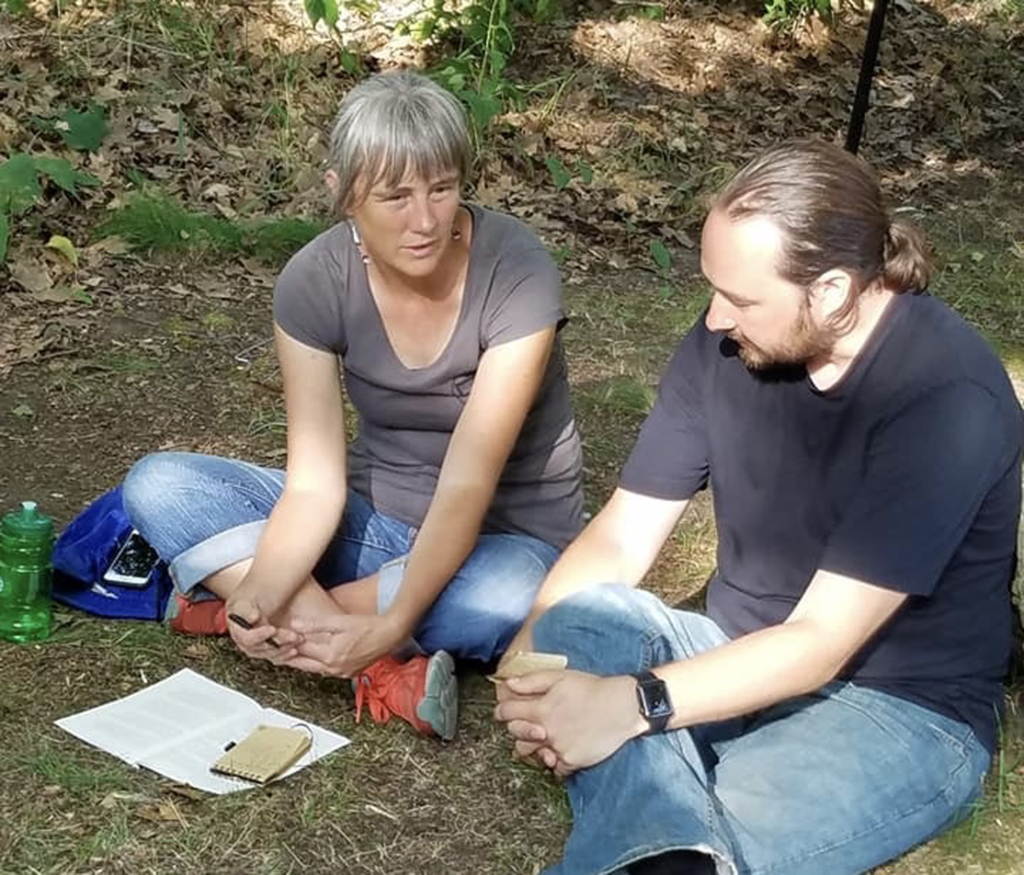
Later this summer, the Potawatomi Gathering will be hosted by Forest County Potawatomi in Crandon, Wisconsin. Gathering brings together relatives from across the different Potawatomi nations. I attended my first Gathering in 2019 in Wasauksing, Canada, where I spent the week with wonderful people, including Lindsay Marean and her mother, Linda Jones, Kaya DeerInWater, and the renowned writer-sisters and educators Robin Wall Kimmerer and Barbara Wall.
There are other opportunities throughout the year, including Pokagon’s powwows, Gun Lake’s Sweet Grass Moon Powwow, Nottawaseppi Huron Potawatomi’s annual powwow, and Forest County Potawatomi’s Meno Keno Ma Ge Wen. These are not CPN events, but they are still chances to be among our Potawatomi relatives.
I am also exploring a District 1 gathering in Wasëtenak, Grand Rapids, Michigan, for the unveiling of the Anishinaabek exhibit at the Grand Rapids Public Museum. Several CPN citizens, including Anna Johnson, Laura Hewuse, Alan Melot, Maryellen Godinez and others, submitted 4×4 beaded tiles for the exhibit entrance. Please watch for updates on cpndistrict1.com/events!
Connection does not have to happen in person, although there is no replacement for meeting in person. Over the past few months, we held virtual events with Anna Johnson, including finger weaving and ribbon skirt classes. Last September, I spoke with Cultural Heritage Center Director Blake Norton about exploring more virtual opportunities for Tribal citizens. I hope these recent classes show that the format is possible and appreciated.
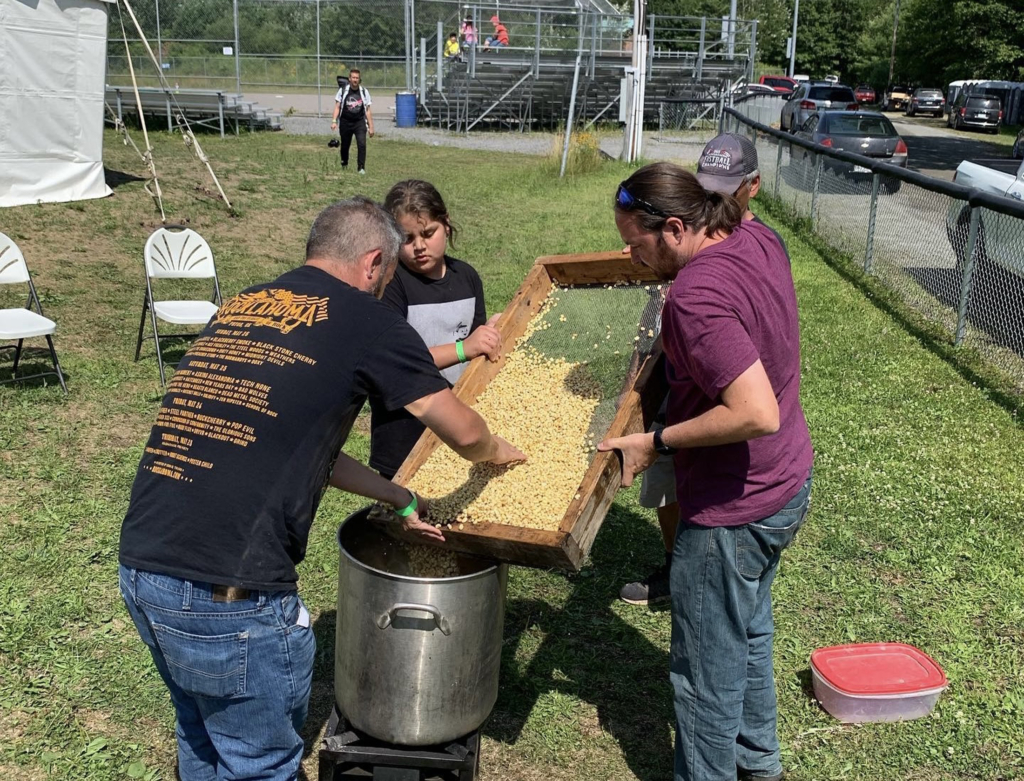
Language is another powerful way to connect, which I’ll speak to more in a subsequent article. CPN offers many online language opportunities, along with programs through Bodwéwadmimwen Ėthë Ték, Pokagon, Gun Lake, and others. You do not have to be fluent to begin. You just have to begin. There is no greater way to connect with our Potawatomi heritage than through language.
Please keep an eye on cpndistrict1.com for the most up-to-date information on District 1 events. If you know of an event where Potawatomi or CPN citizens are gathering or would like to help organize something in your area, please reach out.
Connection is not something we can always wait to find us. Had I not stepped out of my comfort zone, shown up and built relationships, I would not be your District 1 legislator today. Connection starts the moment we decide to stop waiting and start showing up.
Steve Livingston | Legislator, District 1 | [email protected]
Eva Marie Carney
District 2
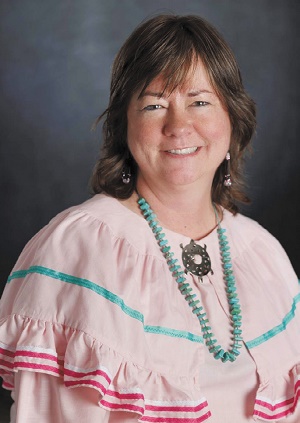
Bozho, nikanek (Hello, friends),
Necessary Turbulence, Side by Side with a Lovely Wedding
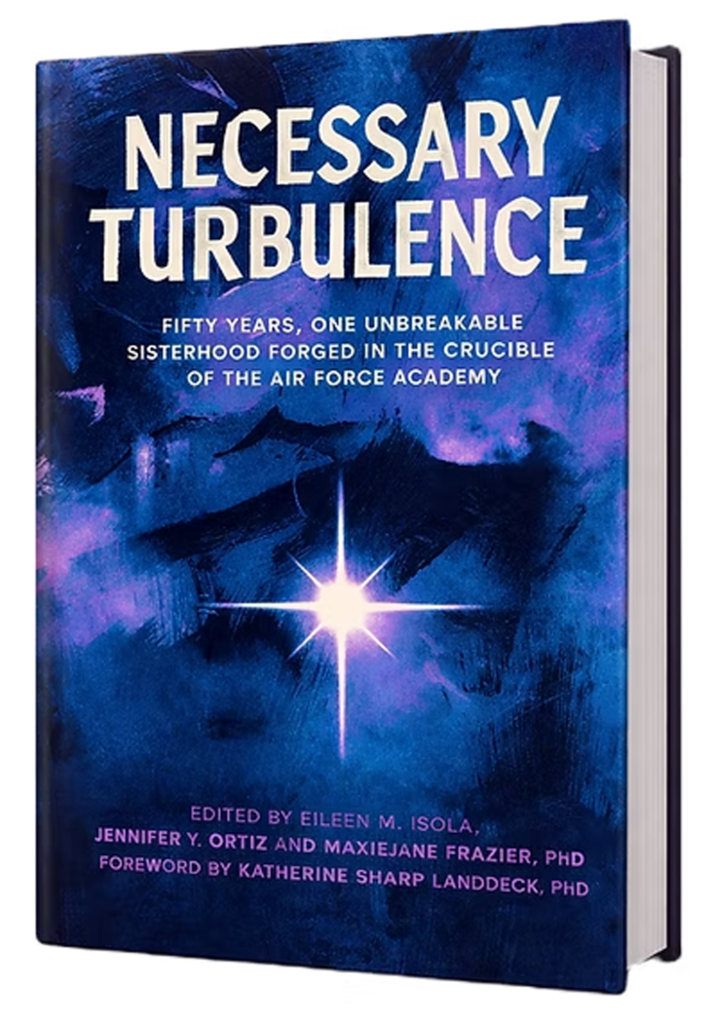
My friend and fellow CPN District 2 citizen Kimberly Idwe Gishek Chatfield Pratt is extraordinarily accomplished and modest, to boot. Among her recent activities was editing, along with other Air Force Academy women graduates, the book Necessary Turbulence: Fifty Years, One Unbreakable Sisterhood Forged in the Crucible of the Air Force Academy. The publishers summarize the book as follows:
“In 1976, 157 young women marched under the words ‘Bring Me Men’ shining above the iconic ramp that led to a world that had never imagined them. They and the more than 12,000 women who followed were told they were destroying military standards and promised they would never graduate. More than 7,000 women have proved them wrong. An inspiring narrative of sacrifice, resilience, leadership, purpose, and hard-won belonging.”
The book publishes June 23, 2026.
Kim’s career highlights include graduating in the fourth class with women from the U.S. Air Force Academy in 1983; being selected as the first woman to be an Airborne Intelligence Officer on the EC-130, Airborne Battlefield Command and Control Center (1986-1988); serving as first Commander of the 139th Intelligence Squadron, Georgia Air National Guard (2008-2010); and serving as the Senior Reservist at the National Geospatial-Intelligence Agency (2012-2013). In 2013, she retired as a Colonel from the Air Force Reserves culminating in a military career spanning 34 years.
Just this April, Kim experienced the joy of a child’s wedding — her son Patrick Chatifield married Kaitlin Clark during a beautiful ceremony held at Sylvanside Farm in Purcellville, Virginia. Alan and I were delighted to attend and celebrate with the couple and all their family. A singular pleasure of serving as the District 2 Legislator is that I get to know delightful people who invite me in to celebrate their milestones. Later that week, I was excited to run into her mother, Nancy Wisgakkwe Korzeniewski Zarzecki, and Nancy’s husband Russ Zarzecki, at National Airport a few days after the wedding, as they headed home and I headed off to New Mexico and Colorado for school visits on behalf of The Kwek Society. I am fortunate to count Kimberly, Nancy, and their families as chosen family.
Interesting Podcast and Indigenous Tourism Guidebook
I recently ran across an interesting podcast and an updated guidebook — maybe both will spark your interest and provide summer enlightenment and entertainment.
The podcast, “Tending Our Roots with Indigenous Methodologies,” is a new, ten-episode podcast that explores Indigenous methodologies in research, evaluation and community practice. It is hosted by Dr. Miigis Gonzalez (Lac Courte Oreilles Ojibwe) and Dr. Jill Fish (Tuscarora Nation of the Haudenosaunee Confederacy), and features discussions on how Indigenous knowledges and ways of being address the structural limits of Western frameworks.
The guidebook, published by American Indigenous Tourism, is titled American Indians and Route 66 (cpn.news/guidebook). It includes information detailing Indigenous tours, sites, cultural stops and attractions. Route 66 is turning 100 this year. It certainly is past time that Indigenous communities changed the narrative and shared our distinct stories and heritage. Road trip anyone?
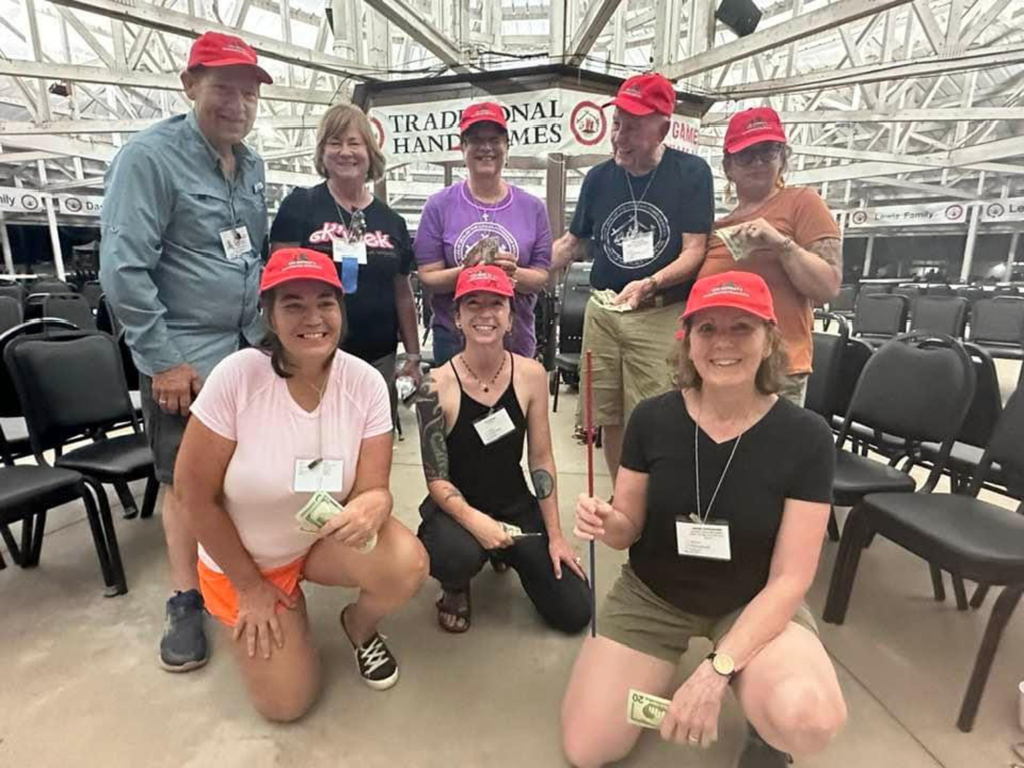
Family Reunion Festival/Hand Games Team Participation/Meetup
I hope to see you on our reservation grounds at the end of June. Please send me a note if you want to schedule a meetup, please let me know if you want to be on our District 2 Hand Games team on the Friday night of the Festival, and please come up and say hello if I haven’t spotted you and done so first!
Migwetch (Thank you),
Eva Marie Carney | Ojindiskwe (Bluebird Woman) | [email protected] | [email protected] | evamariecarney.com | PO Box 5595 | Arlington, VA 22205 | Toll Free: 888-849-1484 (voicemail)
Brenda Trevino
District 3
Bozho jayek (Hello, everyone)!
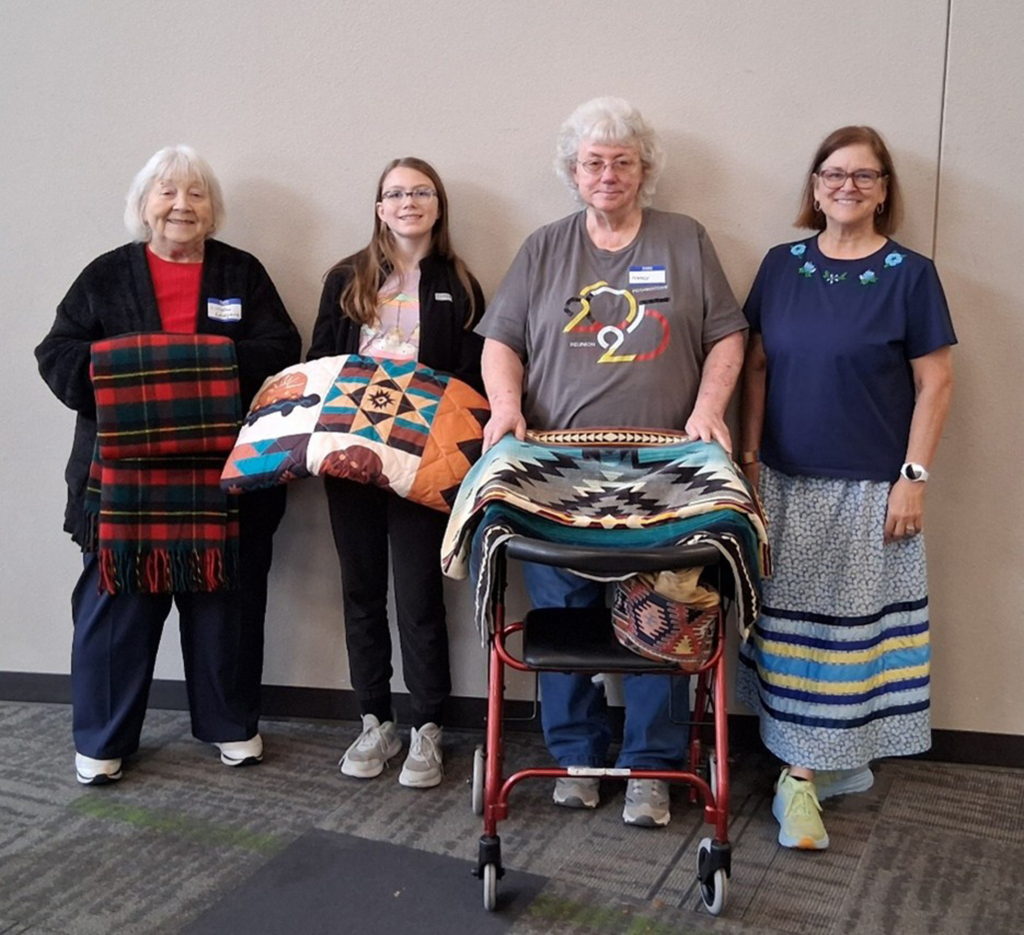
Our Waco meet-and-greet on April 18 included several who had not been to a district meeting in quite a few years. Meeting each of you has been a real treat! Migwetch (Thank you) to those who took the time out of your weekend to come, especially the youth. You are our future and I thank you from the bottom of my heart. The Citizen Potawatomi Community Development Corporation (CPCDC) dialed-in during the meeting to share a video of what they do for our Nation and to also relay specific things they can do for District 3 members in Texas, such as provide loans to kick-start a small business, counsel members on how to increase financial strength, assist with building individual credit through a small credit builder loan and the importance of starting a Children’s Investment Account (530A). Although I did have some technical issues with the wi-fi, everyone was patient and we eventually did get to listen to the presentation.
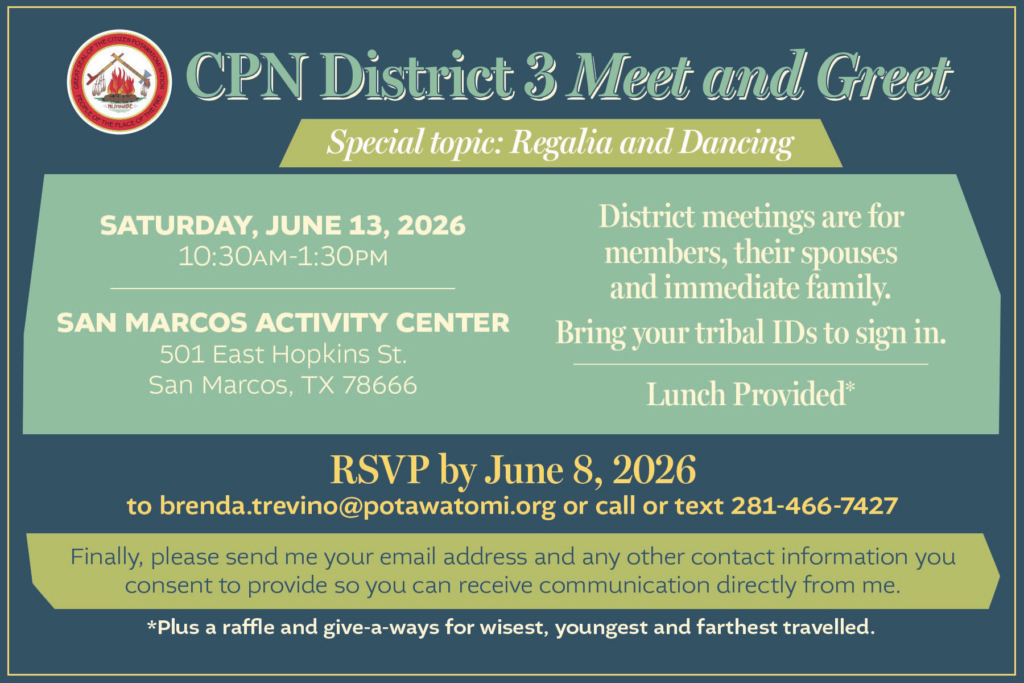
A copy of the postcard for the upcoming meeting in San Marcos, Texas, on June 13 is inserted on the next page. As with the earlier meetings, this one will start at 10:30 a.m. and end no later than 1:30 p.m. RSVPs are important for planning the food and giveaways. Please respond by email or with a call as indicated on the card.
Chances are you will receive this Hownikan shortly before the election takes place. Voting, for all CPN members 18 and older, is one of the most visible ways we can show pride in this sovereign Nation and can take part in the direction of our future. Hopefully you have voted absentee or have requested a ballot that you can present when you vote in person during the Family Reunion.
Another way you can support our Nation is to attend General Council during the Family Reunion. A report on our enterprises, our bank and our budget are a part of this meeting as well as an announcement of the election results. Meet our directors and other employees who work on our behalf every day. Thank them for doing what they do to keep our Nation running.
Migwetch (Thank you) for allowing me to serve each of you! See you at Reunion.
Brenda Trevino | Mkedewankwetkwe (Black Cloud Woman) | [email protected] | 281-466-7427
Jon Boursaw
District 4

The History of Pappan’s Ferry before Topeka
Who were the Pappans? They were four French-Canadian brothers, Joseph, Louis, Achan and Eurebe, who came to an area of what is now known as the Kansas River Valley as voyageurs/trappers. They soon met and married the Gonville sisters, who had each received (as a condition of the 1825 treaty between the U.S. Government and the Kanza (Kaw) Indians) an allotment of one square mile along the north side of the Kansas River. These allotments began at approximately present-day North Gage Blvd. in Topeka and extended east to Lecompton. Josette Gonville married Joseph Pappan, Julia married Louis, Victorie married Achan, and Pelggie married Annabel d’Aubrey. The couples moved to their allotments along the Kansas River around 1840.
Who used Pappan’s Ferry? Thousands of Oregon-California Trail emigrants; Mormon Trail emigrants; military units accompanying supply trains; and later numerous travelers on the Underground Railroad.
When was the Ferry placed in operation? In the spring of 1841 the Bidwell-Bartelson party, generally acknowledged as the first pioneer party on the Oregon Trail, crossed with the help of the “Kanza.” Pappan’s Ferry is born.
Here is a listing of notable individuals and dates associated with Ferry:
1842: Lt. John C. Fremont, of the U.S. Topographical Engineers, crossed the river on a mission to explore and map the Oregon Trail. Accompanying him were two dozen men, including a guide named Kit Carson.
1843: “The Great Migration” marked the start of the large-scale emigration to Oregon and California. The first published reference to Pappan’s ferry was made by Peter Burnett, later Governor of California.
1844: “The Great Flood” This was considered the largest flood ever to fill the Kansas River Valley. This caused the Pappans to close the ferry operation until the Spring of 1845.
On May 19, 1846, the infamous Donner-Reed party crossed on their way to California.
1849: The discovery of gold in California contributed to a substantial increase in the demand for ferry services.
1847-1848: Arrival of the Potawatomi Indians from their previous reservations in Council Bluffs, Iowa, and Sugar Creek in Lynn County, Kansas. Several quickly established ferry operations further west as the Oregon/California pioneers traveled further west before crossing. These ferry operations were conducted by the Smith, Ogee, Wilmett and Darling families. I’m sure there were others.
1852: The opening of Ft. Riley created a substantial increase in demand for military travel between Ft. Leavenworth and Ft. Riley.
1854: The year the City of Topeka was founded along the south side of the river. Remember the original founders did not find a wilderness when they found Native Americans and the French engaged in commerce with hundreds of Oregon Trail emigrants as they waited to cross the river.
1856-1861: Conductors of the “underground railroad” escorted escaping slaves across the river by ferry to continue north along the Lane Trail. Records show that John Brown himself led several of these groups.
1859: Louis Pappan sold the ferry service to his son-in-law, Oren “Jack” Curtis, who was the father of Charles Curtis, eventual Vice-President of the United States (1929-1933).
Pappan’s Ferry continued to operate until at least 1866. Railroads and more bridges caused the ferry system to be obsolete.
Upcoming CPN Elders’ Potlucks
Dates for the Elder Potlucks held in Rossville at noon are:
June 12th | Hamburgers & Hot Dogs | RSVP by the 9th
July 10th | Pulled Pork Sandwiches | RSVP by the 7th
Bring your favorite side dish or dessert. Please RSVP to Tracy at 785-584-6171.
Migwetch (Thank you),
Jon Boursaw | Wetase Mkoh (Brave Bear) | [email protected] | 785-608-1982 | 2007 SW Gage Blvd. | Topeka, KS 66604 | Office Hours: Tuesday 9-11 a.m. | Thursdays 3-5 p.m. | Other times as requested
Mark Johnson
District 7

Bozho nikanek (Hello friends),
Remember to return your mail-in ballot for this year’s Tribal election. If you haven’t already returned it, do it now; it’s not too late. It is your duty as a Tribal member of voting age to participate in our great Nation through voting when our Tribe has elections. Your vote is important; make sure your family across our Nation votes also. The results of the election will be announced during the General Council meeting during the Family Reunion Festival.
A whole year has passed since the last Family Reunion Festival in Shawnee, Oklahoma, and it is always a great time to visit with family and friends. I hope to see many of you in Shawnee. I am always available to talk and love visiting with our members at the Festival. There is no better way to spend your summer vacation. The honored families in 2026 are: Acton, Bergeron, Bruno, Curley, DeLonais, Greemore and Slavin.
If you have never attended a Family Reunion Festival, or if it has just been a while, you should plan on attending. It will be a trip you will never forget and will bring you much closer to your Tribal family and heritage. Many classes and speakers are scheduled at the Cultural Heritage Center during the Festival, as well as tours of the Eagle Aviary. Games and sports are also held throughout the gathering. If you are an artist, you can enter the Tribal art competition with the winners announced at the General Council meeting on Saturday of the Festival, along with the Grand Entry dancing later that evening. More information and the schedule of Honored Families through 2028 can be found on the Tribal website at cpn.news/festival. I look forward to seeing you all at the Family Reunion Festival; my number is listed below if you would like to meet and talk while you are there.
Once again, I would like to say what an honor it is to serve you as your District 7 representative. As always, give me a call and I will be happy to work with you on any questions you may have or provide you with additional information you may need to access Tribal benefits that are available to you. Please also take the time to give me a call or send me an email with your contact information so that I can keep you informed of the happenings within the Nation and district.
Migwetch (Thank you),
Mark Johnson | Wisk Mtek (Strong as a Tree) | 559-351-0078 | [email protected]
Dave Carney
District 8

Bozho, nikan (Hello, friends),
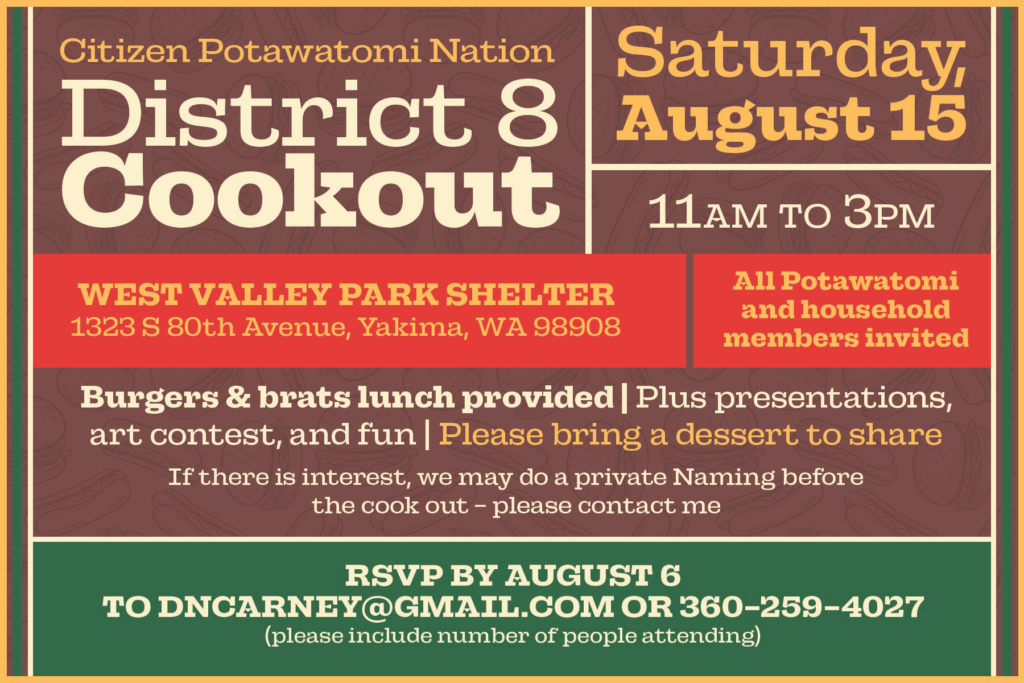
It’s time to start planning for outdoor get togethers. On the westside of the mountains, I’ve planned a few cookouts and have lost the weather lottery — getting almost rained out in May and June. This year I am hedging my bets and we are gathering in August in the central part of the state.
If Tribal members contact me at least a few weeks before the event to receive a Potawatomi name, we may have a private Naming prior to the event.
Since this is the June edition of the Hownikan, it’s possible that Tribal citizens may be reading this during Festival and prior to voting in our Tribal elections. Looking at social media, it seems to me that there are some misconceptions regarding what legislators’ roles should be and what actions they should be engaged in.
Duties of a legislator are to uphold the constitution and to speak and act by resolution. Other duties are reserved for the Executive and Judicial branches. Attendance and participation at quarterly meetings over the internet and a live meeting after Festival are bare minimums. What other duties should be happening? This is just my opinion:
Legislators should be responsive to requests for assistance from the citizenry in their district. This can range from navigating a Tribal program, to providing direction on where to have a cultural question answered. As a legislator, I have done my best to provide this assistance, however, I have learned to draw the line when an individual is abusive, slanderous or just nasty. In this job and others I have had, I like to say that I do not receive combat pay.
Legislators should be writing a monthly or semi-monthly column for publication in the Hownikan. As you’d imagine, 16 individuals have different gifts, and writing may not be one of them — so this can be a real challenge. Frankly, there are some months where there is not a lot going on in a particular district, and some of us get inspired to go down the creative writing path. I have to say that I have learned a few things, not necessarily related to the Nation, by reading the Hownikan.
Legislators should be having some gatherings in their districts. Bringing the government to the people is something unique that we are doing — and it seems to be appreciated and successful where it is happening. I strive for at least two meetings a year in different locations in District 8. This is a lot of work and planning and has led me to make friends and connect with Potawatomi in various parts of the district from Alaska to Montana. This has created lots of rich experiences.
And this leads to another misconception I’d like to shed light on. Legislators are indeed not provided with contact information for citizens. This is due to privacy and security concerns. I have over 500 email addresses that have gathered by having folks sign in at get-togethers or by reaching out to me. These folks receive regular updates, maybe too many sometimes. When I am no longer in office, I will ask people if they would like their email shared with the next district representative. Otherwise, they will not be.
And the last misconception is regarding Namings and other ceremonies. Legislators have no special knowledge or training to give Potawatomi names. CPN holds that if you have been given our name, you can name others. While I have named many citizens, I enjoy providing what knowledge I do have to assist others in Naming their family members.
By the way, save the date — Oct. 24 for the 2026 Fall Feast in Portland.
It is my honor to serve as your Legislator,
Dave Carney | Kagashgi (Raven) | [email protected] | 360-259-4027
Paul Wesselhöft
District 9

Bozho nikan (Hello friend),
A stair to nowhere
Paul Chrisstarlon Wesselhöft
A stair to nowhere, no one.
Concrete steps to embers, ashes.
White armed men with hate, matches,
Torches ignite porches,
Eradication, liquidation.
The assaulted woman’s accusation was in doubt.
But another family aflame, pined in, burned out.
Tulsa, 1921.
(Oklahoma history concerning African Americans, and I may add, Native Americans, must be accurately taught in our schools.)
Paul Wesselhöft | Naganit (Leader) | [email protected] | [email protected]
Andrew Walters
District 11
Bozho (Hello),
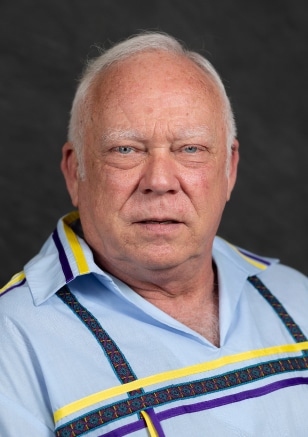
Well, here we are again. Coming up to the time we must make some critical decisions pertaining to the future of our Tribe. I don’t claim to know all the answers. And even if I did and could back them up with PowerPoint presentations, facts, statistics and surveys, some folks would argue that I was wrong. Seems to be a trait imbedded in our DNA… “Don’t confuse me with the facts.”
I’ve found that projections never seem to be right. I’ve also found that surveys never have enough participants to be accurate to any degree and most don’t even ask the right questions. What I judge my decisions by is past performance. There’s an old saying that “past performance is indicative of future behavior.” I agree with that. Whether it’s stocks and investments, people’s actions, elections, or governmental BS, I look at what’s been done in the past and then chart my course aligned with that.
For years the Tribe has grown in number and in assets. Our business enterprises are strong. Our governmental functions and practices, although not perfect, are solid. It can be argued that there is always a better way to do something. And I whole-heartedly agree…but…I don’t think that we should tear something apart, or run somebody off and then “re-vision” it, as has been suggested by some in the past. To do that is being ignorant and unappreciative of our past.
I believe that some mistake governmental functions for cultural endeavors. It is the legislative branch that makes law, reviews budget, applies for grants and those types of things. We also fund programs, as we can, such as language. We don’t generally fight or poke each other in the eye with sticks. Our duties are limited by constitution. Things are discussed and opinions made in committees prior to meetings. This gives us time to work out the kinks and have a bill that we can live with.
(This is where the old sayings come out…) “You can lead a horse to water, but you can’t make him drink.” We can fund all sorts of programs and provide all types of improvements that are beneficial to our Tribe, but we can’t make you participate. Short of handing out money, free cars, and a 10-day paid vacation in the Bahamas, we have problems getting folks in large numbers to participate in the functioning of our Tribe. Only about 5% of the Tribe votes in our elections, but 95% applied for and received money from the ARPA funds of the COVID era. Sometimes I wonder if we should just pay people to vote…there’s a thought.
Perhaps it’s apathy, perhaps it’s our fault in Legislature. Folks complain on Facebook and social media ad-nauseum about what we should do. And then they pontificate about how they think it should be done. But then again, it’s only less than 2% of the Tribe that is vocally negative. I know that I receive very, very few emails from folks in my District (11). Most of the complaints I hear are from people who moan and gripe online about the Tribe. And surprisingly, most of those have no solution, no constructive comments that are novel in nature. Just noisy wind.
That’s my thoughts, right or wrong. It’s an honor and privilege to work with the Tribe in my capacity as District 11 Legislator. I love this Tribe and its people. My contact info is 1) [email protected] 2) [email protected]. I can also be reached by phone at the admin office, 405-275-3121. They’ll take a message and I’ll call you back…promise.
Andrew Walters | [email protected] | [email protected]
Bobbi Bowden
District 13
Bozho nikanek (Hello friends),
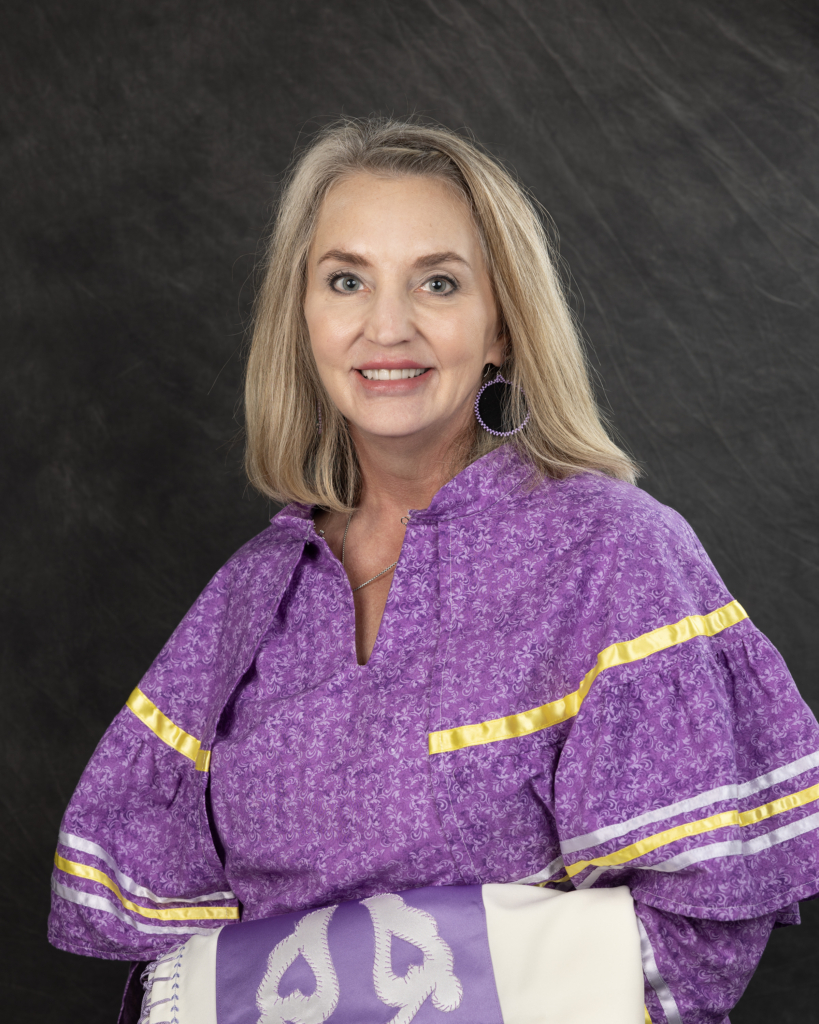
Our Nation provides many valuable resources, and some may not always be widely known. Before I became more involved, I wasn’t aware of several of these benefits myself. I’d like to take a moment to highlight a few that can make a meaningful difference for Tribal members and their families.
For many families, owning a home is one of the most meaningful steps toward long-term stability. It’s where memories are made, traditions are carried on, and futures begin to take shape. While the process can feel overwhelming at times, there are programs available to help make that path a little easier.
The Citizen Potawatomi Nation offers several housing programs designed to support Tribal members —and in some cases, other eligible Native American applicants — at different stages of homeownership.
One of the biggest hurdles when purchasing a home is covering upfront costs. Between the down payment and closing expenses, it can add up quickly. That’s where assistance can make a real difference.
A one-time grant of up to $2,125 is available to help with those initial expenses. Priority is given to CPN tribal members, and all CPN members across the United States are eligible to apply. Other Native American applicants may qualify if they live within Tribal jurisdiction, are age 60 or older, and meet income guidelines.
For those purchasing in Oklahoma, financing may need to be completed through Sovereign Bank in Shawnee. Timing is also important — applications should be submitted at least three weeks before closing, or no later than 30 days after.
If building a home is part of your plan, there is support available there as well. The Home III Construction Program offers a $20,000 grant to help reduce the cost of building a new home within certain areas of Tribal jurisdiction. This program is available to CPN tribal members who meet income requirements and are able to finance through Sovereign Bank. Building a home is a big step, but having that kind of support can make it feel much more within reach.
For our elders, staying in their home safely and comfortably is incredibly important. The Elder Home Repair Program helps with updates that improve safety, accessibility and overall efficiency. This program is available to low-income Native American elders, with priority given to CPN tribal members living within Tribal jurisdiction or nearby counties.
Repairs are completed with a long-term approach in mind. While costs are secured through an agreement tied to the property, that obligation is released after a set period at no cost to the homeowner.
Every housing journey looks a little different. Whether you’re preparing to buy, thinking about building or simply needing to make improvements to your current home, these programs are here to support that next step.
If you’ve been considering your options, it may be worth reaching out and learning more about what could be available to you.
For additional details, visit potawatomi.org.
Migwetch (Thank you) for allowing me to serve you and our great Nation,
Bobbi Bowden | Pkuhshnoqua (Bald Eagle Woman) | [email protected]