Editor’s Note – Responses from candidates appear exactly as they were submitted without editing for content or style.
Chairman candidates
John “Rocky” Barrett
Incumbent
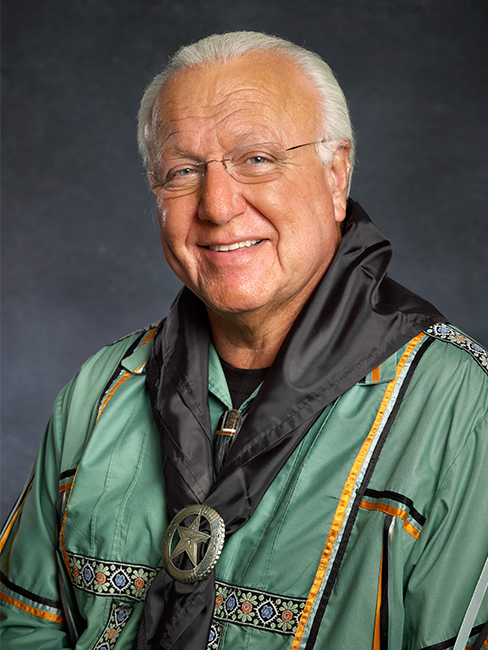
What do you feel is the Tribe’s most pressing issue right now? Like the rest of the country, Citizen Potawatomi Nation is dealing with misinformation, bullying, and false narratives online. These tactics damage reputations, divide communities, and erode trust. During elections, false claims—especially from anonymous social media pages—spread quickly and are hard to correct.
Some sites misuse the Nation’s name and seal to appear official but don’t allow open dialogue or factchecking. Recently, one falsely claimed we were laying off employees at Sovereign Pipe Technologies. That’s simply untrue—we are hiring every day. When candidates spread lies that hurt the Tribe’s reputation just to attack an opponent, they show they’re not ready to lead.
How can CPN better serve and engage its Tribal members? Citizen Potawatomi Nation has one of the most innovative, inclusive governments in Indian Country. Every member can vote and elect a legislator who represents their district—something no other tribe offers in the same way.
Our challenge is voter participation. Many only engage when they’re upset, not when things are running smoothly. But elections matter. Tribal members should ask: Does this candidate have the skills to run a $600 million operation with 2,300 employees? Do they have experience in business, governance, or service?
We should use our existing teleconferencing systems— just like our Legislature does—to connect during campaigns and help members make informed choices.
Describe what in your life has made you appreciate your Potawatomi heritage. When I first took office in 1973, we had no powwow, no drum, no ceremonies—no visible cultural activity. In 1976, we held our first intertribal powwow in decades, inviting other Nations because we had no songs or dancers of our own.
Years later, after hosting large intertribal events with no CPN participation in the contest dances, I announced a shift: we would hold a Citizen Potawatomi-only gathering. Some resisted, but most welcomed the change.
On the first night, over 500 of our people danced in regalia. It wasn’t polished—but it was powerful. Since then, our Family Reunion Festival has grown every year. We’ve reclaimed our songs, traditions, and community. That’s what heritage means to me.
What kind of future do you envision for the Nation? Many CPN members left Oklahoma due to poor job opportunities and lack of housing. That’s changing. With approval from our Legislature, we’re launching the largest home-building effort in our history— on our own trust land, using our own bank.
Mortgages will be available with up to 97% financing and no income restrictions. We’ll waive land costs, lower home prices, and create a community with no property taxes.
This will allow more families to live, work, and thrive in our tribal community—keeping our economy and culture strong for generations.
What do you think is the most difficult thing for CPN members who may live in Oklahoma but feel disconnected from the Tribe? How can you, as Chairman, help with that? The most harmful thing the federal government did to tribal identity was invent “blood quantum.” It’s a tool designed to eliminate tribes over time by creating false divisions. The original degrees were assigned arbitrarily in 1861—often based on skin tone.
This led many to believe they weren’t “Potawatomi enough” to participate. That’s not true. If you descend from one of the original families who endured the forced removals from Indiana to Kansas to Oklahoma—you are Potawatomi.
Your place in this Nation is earned through your family’s survival. Don’t let misinformation or shame keep you away. Come home. Claim what’s yours.
Charles Scott
Challenger
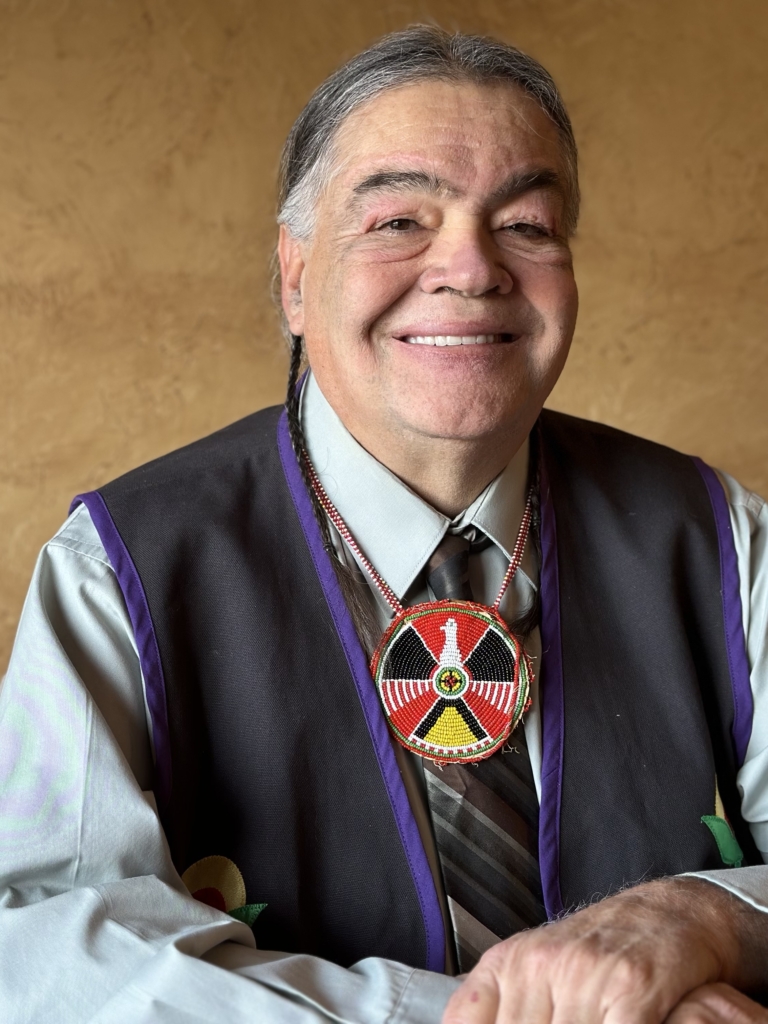
What do you feel is the Tribe’s most pressing issue right now? Loss of Tribal Identity, Loss of Language and Culture which has led to Apathy and Non-Participation. For 30 years our Tribe has been run like a Business entity, we are a Tribe not a Corporation. While we have been investing in Banks, Basketball Teams and Locomotives, we have spent very little preserving or investing in our Language and Culture. We have no sense of Community. If we refocus to the idea that our Businesses exist to fund our Language, Culture and Community, we can solve these issues rather quickly. It will take a change in Leadership to resolve these issues. We want a Community and we will have a community.
How can CPN better serve and engage its Tribal members? Honestly, Change our Leadership. The Chairman has spent 30 years focusing on businesses, reinvesting, remodeling, building, rebuilding. It is what he knows, it is how he thinks our tribe needs to be ran, Like a Corporation. Only a change in Leadership will result in better serving and engaging Tribal Members. I will give members their voice, I will trust and listen to members.
Describe what in your life has made you appreciate your Potawatomi heritage. There has been no single event. I have always known who I am, I have lived the values taught by my mother, grandmother and ancestors. I know my Clan, I know our history, I know where we came from, I know our culture. I was raised in Oklahoma around and living like most Indians. I have always been grateful; I’ve always had pride and I’ve always been thankful for my heritage.
What kind of future do you envision for the Nation? Challenging, LOL, we need a change in Leadership. Most of our elected leaders are well past retirement age. We are in danger of losing a generation of leaders of both older and younger leadership. Our Chairman is in his 80’s, a few others are as well, most are in their 70’s, a couple in their 60’s. We need to get younger; we need to allow the next generation to lead and direct our Tribe into our collective future. We need Generational change in Leadership.
What do you think is the most difficult thing for CPN members who may live in Oklahoma but feel disconnected from the Tribe? How can you, as Chairman, help with that? Again, it’s about changing leadership and lack of Community. Our current legislators have been around 20+ years, nothing will change without change. As Chairman, we will involve our members, we will communicate, we will build a Community. It will be Lead, Follow or Get out of the way. Our Community is coming.
Legislative District 1 candidates
Steve Livingston
Challenger
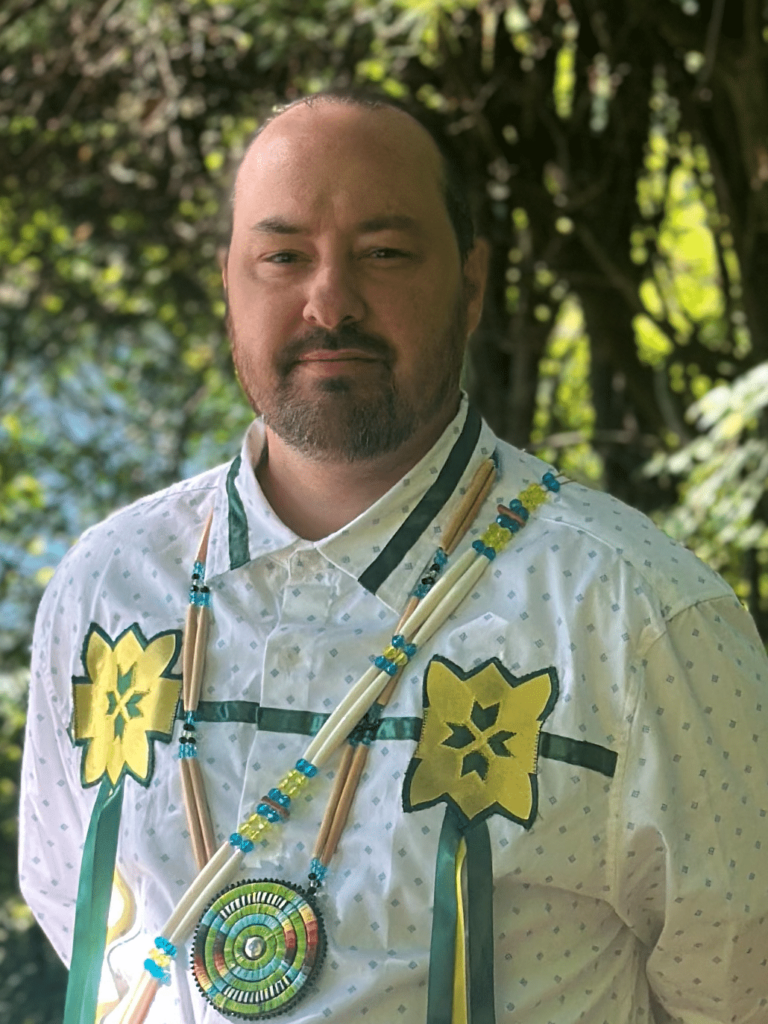
What do you feel is the Tribe’s most pressing issue it currently faces? Our most pressing issue is citizen disengagement – disconnection from culture, our bodwéwadmi community, and tribal governance. This isn’t just a social concern; it’s a sovereignty concern. When citizens are uninformed or uninvolved, we become more vulnerable to state and federal overreach and lose strength in defending our rights. We see it in low voter turnout, limited awareness of tribal operations, and the rise of online connections over real-world relationships. Generations of diaspora have scattered us, but now is the time to foster stronger relationships, expand opportunities for participation and knowledge-sharing, and give citizens a real sense of ownership in shaping the future of our community.
How can CPN better serve and engage its Tribal members? We need to create more ways for citizens to participate meaningfully in our tribal government and the life of our community. Community advisory boards could give citizens a real voice on vital issues like land use, food sovereignty, language, healthcare, and education. We should offer more opportunities to gather, both inperson and virtually, as a community: beading, sewing, language, and ceremony. I want to help create meaningful opportunities for our people to feel belonging, build knowledge, and create space for all citizens to shape the future of our tribal community, no matter where they live.
Describe what in your life has made you appreciate your CPN heritage. What’s made me appreciate my CPN heritage most are the relationships I’ve built in all of our bodwéwadmik communities – people who’ve welcomed me, taught me, and helped me along my own reconnection journey. Learning our language truly changed my life. It opened my heart, changed how I see the world, and helped guide me toward sobriety and a deeper commitment to family and community. I come from a line of strong, resilient people who survived removal and extreme poverty. Some of my ancestors were early leaders within CPN, and I carry their strength with me as I work to help lead and serve our people.
What kind of future do you envision for the Nation? I envision a tribal community where every citizen feels seen, heard, and valued – where they know they have a voice and use it to vote, share ideas, and help guide our future. I see us building stronger relationships, where elders and knowledge keepers are respected, known, and surrounded by learners. I see community gatherings, in-person and virtual, where we bead, feast, and speak our language with each other. I envision a transparent, inclusive government that invites participation, honors our traditions, and empowers every citizen to help shape the future of our community.
What do you think is the most difficult thing for CPN members who may live in Oklahoma but may feel disconnected from the Tribe? How can you, as legislators, help with that? Disconnection isn’t just a distance issue – even in Oklahoma, many citizens feel unsure of how to get involved or where they belong. It can be hard to know who to turn to, what resources exist, or how to participate in the community. As your legislator, I hope to make that engagement easier and more personal. That means more local and virtual gatherings rooted in culture and tradition, and creating space for citizens to help shape policy through community advisory boards. I want everyone to feel they’re part of something bigger – that they have a voice and a place in our community.
Anna Johnson
Challenger
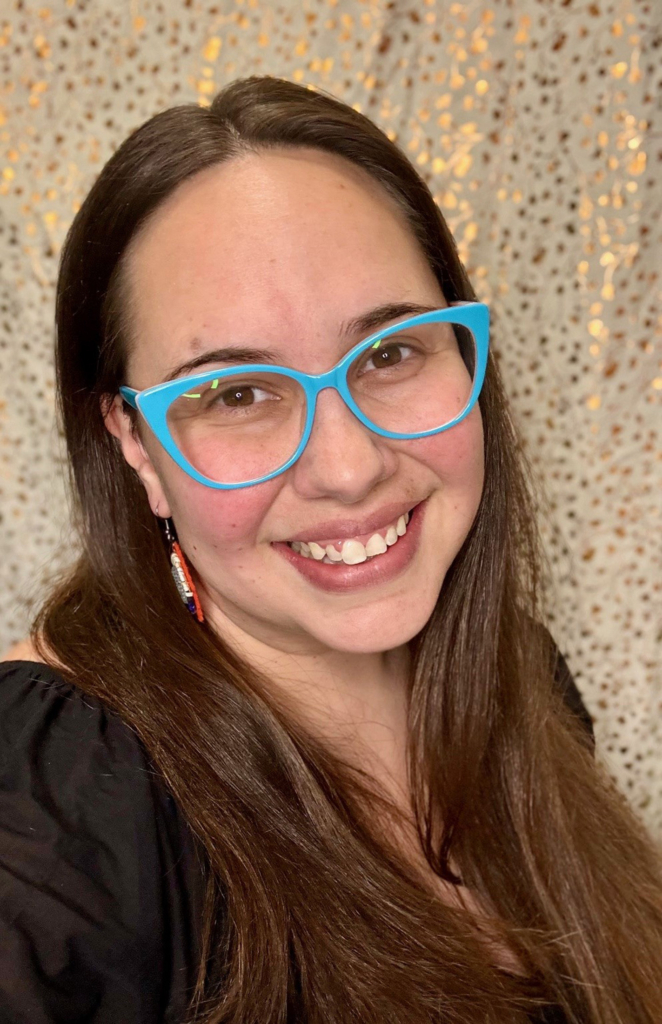
What do you feel is the Tribe’s most pressing issue it currently faces? The threat of losing our fire, our passion and our community. The question is now, how can we reignite the fire within us? The 7th fire prophecy foretells the revival of our culture, language, teachings and traditions; yet our people are starved for connection and culture. Reconnecting is hard. Finding who to ask or “just showing up” is even harder when you already feel so isolated. While most don’t even know where to start, I hope to frequently meet with members in all 16 states and demonstrate how easy it can be to realize what it means to be Potawatomi.
How can CPN better serve and engage its Tribal members? Many members outside of jurisdiction have grown apathetic from the perceived lack of benefits, information, and communication and have lost their voice. We NEED avenues that allow members to contribute and participate in a meaningful way. We could utilize message boards or “Town Hall’s” to openly discuss Tribal Sovereignty issues like language, our Constitution, food security, healthcare, and other current U.S. events. We also need cultural classes, teachings (regalia making, medicines, Tribal History, food preservation, etc.), and more changes to gather together – in person and virtually. We once did everything together as a community, distance shouldn’t keep us isolated.
Describe what in your life has made you appreciate your CPN heritage. Growing up I never knew what it meant to be Potawatomi. My grandmother was the Potawatomi link and when she divorced my grandfather, it left my family disconnected. Throughout my life, I was ashamed at how little I knew and didn’t know how to remedy it; until the 2023 Gathering. For the first time I attended workshops; got to laugh, visit, and learn.
Those small conversations reignited my fire
I found my missing piece – like I was home. Like so many, I crave connection. I have forged a reconnection path and feel called to walk with others on theirs.
What kind of future do you envision for the Nation? A Thriving Nation. One where we can share ideas and discuss frustrations in a productive way to make all members feel valued, seen and heard. Where all members know the power of their voice (and vote), and know who to ask for teachings and guidance. I see trust in our leadership – that members truly know legislators advocate in their best interests while also holding space for respectful criticism to help usher change where needed. I see legislators having a presence in every state in their districts, leading to more member engagement and overall a more connected people.
What do you think is the most difficult thing for CPN members who may live in Oklahoma but may feel disconnected from the Tribe? How can you, as legislators, help with that? Isolation and disconnection is way more common than some think. Just because one is close in proximity, doesn’t mean they don’t struggle to find their place or where they belong. The judgement of “Not being Native enough” is very real and shameful and felt across the nation – even in Oklahoma. Reconnecting at any stage is difficult, and as your legislator I would walk those paths with you – share the connections I have made and be your “go-to” for any and all questions that need answers. Will I always know the answer? No. But let’s find out together.
candidate.ajohnson-cpn-district1.com
Legislative District 3 candidates
Brian Walker
Challenger
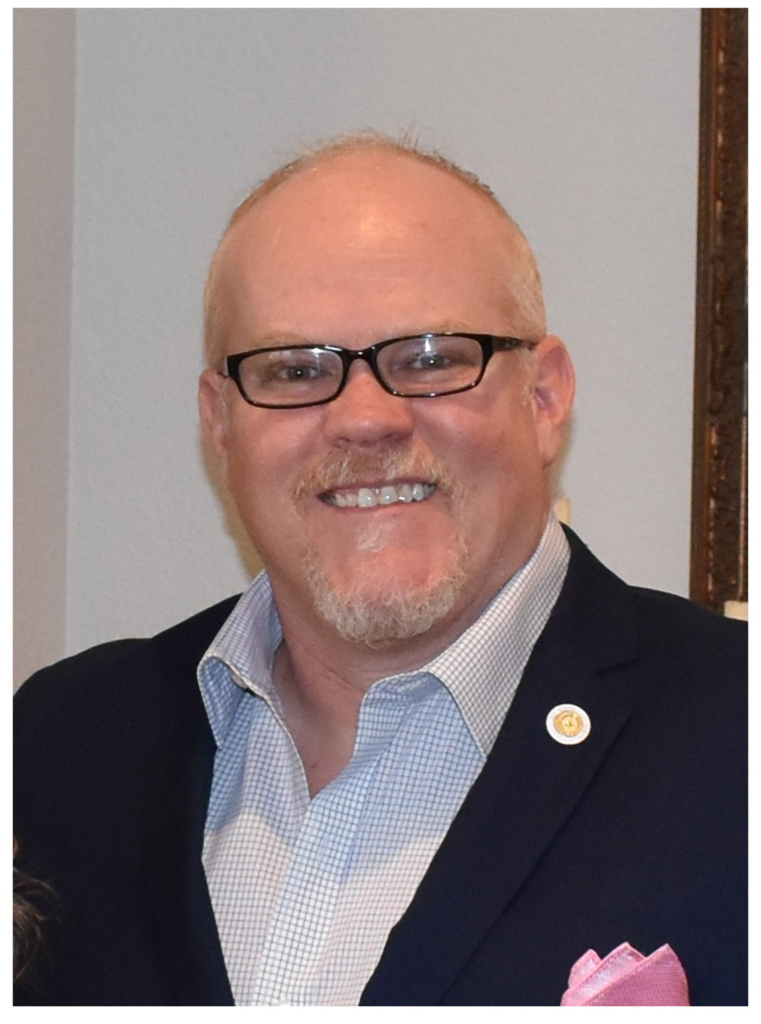
What do you feel is the Tribe’s most pressing issue it currently faces? I say this with absolute respect: aging leadership. I believe it is a good thing to have elderly leaders in places of power. We need earned wisdom in leadership, but we also need to simultaneously focus on “raising up” the next generation of tribal leaders. Our tribe has been reliant on the status quo for so long, that I fear that we are not thinking about the inevitable. I pray for longevity for our seniorleaders, but I also pray that a new generation emerges that will eventually take our tribe successfully into the future.
How can CPN better serve and engage its Tribal members? In this technological era, there must be ways in which tribal headquarters can enable tribal legislators to access the contact information of their respective constituents without violating their members’ personal privacy. If that ever happened, it would greatly enhance better communication.
If elected, I will not only hold in-person meetings in the major regions of Texas – I will also hold virtual meetings regularly (via Zoom) to keep my constituents engaged and informed.
Describe what in your life has made you appreciate your CPN heritage. My Grandmother, the books she gave me, the stories she told me, the tribal family that I have interacted with throughout the years. In other words – those who came before me, who had a love for our tribal heritage, are the ones who made the greatest impact on me in this regard.
What kind of future do you envision for the Nation? An evolving one. The one thing that has been certain through our more recent tribal history is change – and I believe that it will continue to change in drastic ways due to technological innovation, population growth, membership expansion, and growing fiscal demands. Change can be a bad thing, or it can be a good thing. My hope is that I’ll have a significant part in directing the Nation towards the latter.
What do you think is the most difficult thing for CPN members who may live in Oklahoma but may feel disconnected from the Tribe? How can you, as legislators, help with that? I do not have a lot of personal experience with this directly. I am a life-long Texan so I would only be speculating about the disconnection of our tribal members in Oklahoma. Nonetheless, if elected, I would examine this, I would attempt to figure out the root cause if this is a serious issue, and I would do my part in crafting a reasonable solution. And, although the question isn’t posed specifically, I would do the things I mentioned above (in #2) to help those who live outside of Oklahoma (in District 3) feel more connected to the tribe.
Brenda Trevino
Challenger
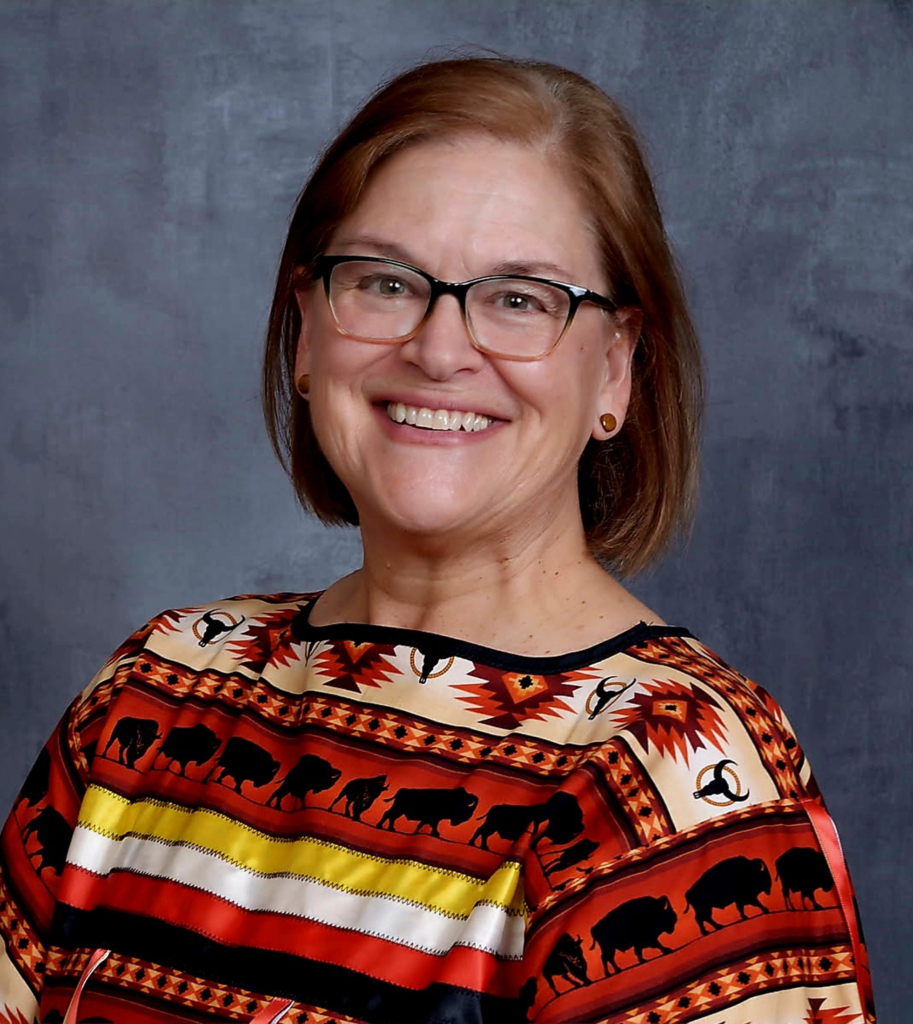
What do you feel is the Tribe’s most pressing issue it currently faces? Sovereignty of our Tribal culture and our lands is of utmost importance. Until CPN is self-sufficient, the most pressing issue the tribe currently faces is preserving our services and grants received and supported by the federal government in the current political climate. Each day has seen its share of surprises. We need to be prepared for how we might respond if any of these funding programs is taken away or if our lands are in jeopardy.
How can CPN better serve and engage its Tribal members? In D3, I would like to see a potluck, art session, history lesson/book review or benefit awareness meeting each month. Each meeting would be held in a different location and would allow time for open discussion.
Publishing a CPN 20-yr Business Plan that relays the Tribe vision to our Tribal members and measures our progress toward the vision. This serves the entire tribe and is a constant reminder of our direction.
Legislators need the ability to send District news to all members in their District. Allowing Tribal Rolls to keep contact information private but allowing Legislators to send out email notices via a group email for the district they serve.
Describe what in your life has made you appreciate your CPN heritage. The educational funds for me, my daughter and son were very appreciated. This assistance was received during a period when our family was recovering from a flood and dealing with my husband’s failing health issues.
I am appreciative of the closing cost assistance for our home, the elders e-scripts and the many programs in Oklahoma that my mom, aunt and sister enjoy.
We are our ancestors and our descendants. Knowing my ancestors and the decisions they made so I can have the opportunities I have today makes me very appreciative. May I consider my descendants with each decision I make.
What kind of future do you envision for the Nation? My great grandfather felt it was necessary to place his family on the rolls in the early days. He was proud of his heritage and had a vision of a bright future for the tribe. He was right.
Our future is very bright. We have developed business opportunities that will serve us well in the future. However, we shouldn’t be complacent or rest on the past. Our eyes should remain above the horizon searching for whatever is next. Hiring and electing the best and brightest of us in key positions to keep this vision alive is essential.
What do you think is the most difficult thing for CPN members who may live in Oklahoma but may feel disconnected from the Tribe? How can you, as legislators, help with that? Once a person feels connected to a small group or individual, they feel more a part of the whole. I learned recently from a group of high school students that adopted seniors in an assisted living facility. The youth wrote letters to the seniors and received responses back, like pen pals. All those involved gained a perspective they didn’t previously see. They feel connected.
Personally, I could share ideas that have worked well outside Oklahoma. I can also attend as many tribal events as possible in Oklahoma, to connect with those in Oklahoma.
Jennifer Bertelesen
Challenger
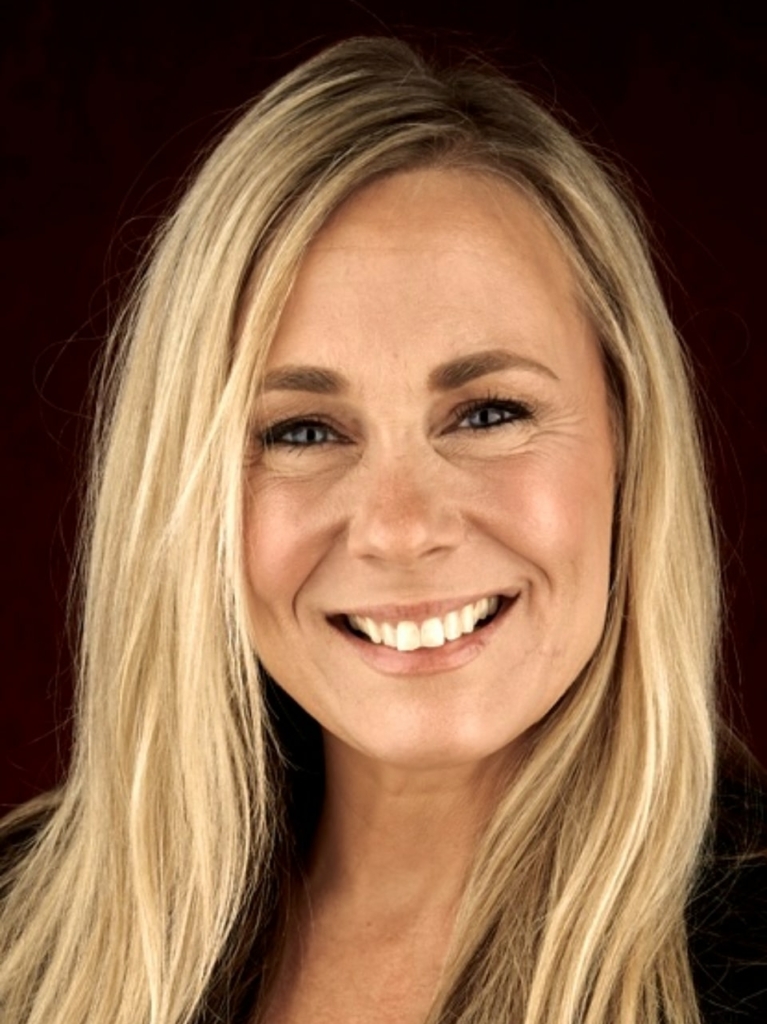
What do you feel is the Tribe’s most pressing issue it currently faces? I believe one of the greatest challenges facing our Nation today is apathy. And I don’t say this as a criticism — I say it because I care deeply about addressing it. Apathy isn’t frustration or disagreement — it’s disconnection. It happens when people stop showing up — not because they don’t care, but because they no longer feel their voice matters. We see this in our voter turnout. When only a very small percentage of our Tribal members cast a ballot, that’s not just a statistic — it’s a signal. It tells us people feel disconnected. As leaders, we cannot mistake silence for satisfaction. Silence is a warning that the connection has been lost. To overcome apathy, we must lead in a way that pulls people back in — by listening, communicating, and building relationships. But connection also requires resources. To serve our growing membership, we must continue expanding our businesses and building financial strength, because connection and sustainability go hand in hand.
How can CPN better serve and engage its Tribal members? We have to lead with purpose and operate with strategy. You can’t serve people well if you don’t take the time to know them, and the same is true for our Nation.
Every Tribal member should feel known, valued, and included, no matter where they live. That starts with listening. It grows through relationships. We must be intentional about how we reach our people, using every tool available: technology, storytelling, outreach, and community events, but always staying rooted in who we are as Potawatomi people: a community built on connection, family, and shared responsibility. If a member feels disconnected, it should never be because we didn’t try hard enough. Leadership means opening the door, calling people in by name, and reminding them they belong here.
Describe what in your life has made you appreciate your CPN heritage. I didn’t grow up knowing anything about my Potawatomi heritage or culture. It wasn’t part of my daily life. While many grow up immersed in their Tribal traditions, my journey was different — I had to seek that connection for myself. But when I did, when I started learning, listening, and leaning into who I am as a Citizen Potawatomi woman — it changed everything. It gave me a deeper sense of belonging, a stronger sense of responsibility, and a clearer understanding of what it means to carry this name, this history, and this future forward. The more I learned, the more I realized how much was waiting for me: language, ceremony, family stories, and the strength of a people who endured so much so that I could stand here today. That experience is why I care so deeply about connection in our Tribe. Because I know what it feels like to be searching for it. And I know the pride and healing that comes when you find it.
What kind of future do you envision for the Nation? I envision a future where our culture is alive in everyday life, not just in ceremony, but in how we raise our children, care for our elders, and make decisions as a Nation. A future where being Potawatomi isn’t something we remember occasionally — we live every day. But I’m also a realist — and a businesswoman. We cannot fund dreams without resources. As our population grows, so does our responsibility to provide healthcare, education, housing, and cultural programs that reach all our members.
That’s why we must continue growing our businesses and enterprises to fuel the services our people rely on. Economic sovereignty protects cultural sovereignty. I believe the future belongs to leaders bold enough to expand our footprint, diversify our revenue, and invest in long-term sustainability while staying rooted in who we are. For me, the future of our Nation looks like this: strong in culture, wise in business, united in purpose, and always planning for the next seven generations.
What do you think is the most difficult thing for CPN members who may live in Oklahoma but may feel disconnected from the Tribe? How can you, as legislators, help with that? I’ve seen it in business and community life — proximity doesn’t guarantee connection. Just because you live near Tribal headquarters doesn’t mean you automatically feel like part of the community. For some members, the hardest thing is not knowing where they fit. They may not know how to get involved. Or they may feel like their voice doesn’t matter — like the Tribe will move forward with or without them.
While this question concerns members in Oklahoma, the challenge is even greater in District 3 and beyond, where distance creates an even bigger barrier.
Our members may live hundreds of miles from Tribal headquarters — but that doesn’t make them any less Potawatomi. It means we must lead more creatively and connect more intentionally. Every member matters. Every voice matters.
The more connected our people feel, the stronger we become as a Nation.