By the Citizen Potawatomi Nation Department of Education
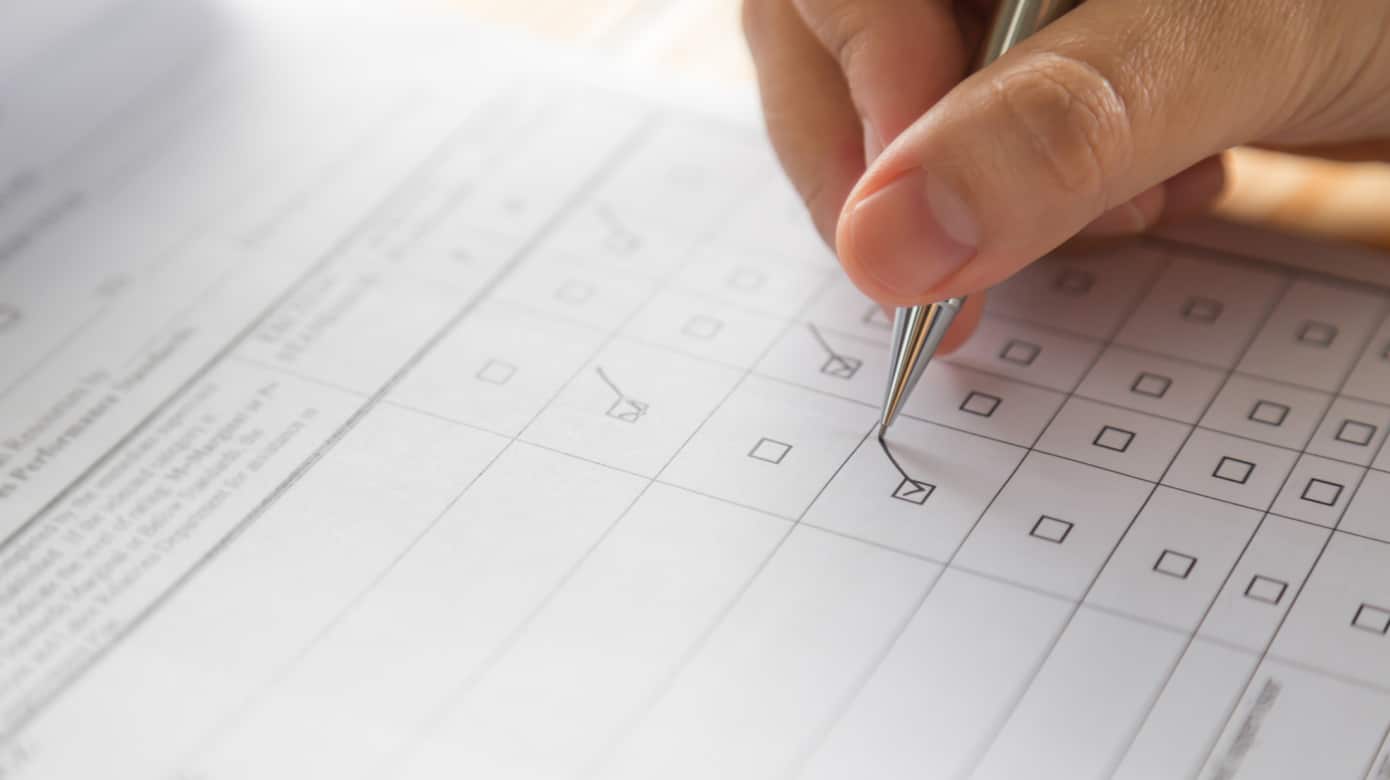
How often do you check the box that says “Native American” when filling out a form for enrolling in school or starting a new job? How often do you check a different box? Do you check more than one box?
It may seem insignificant to you, or it may feel like you’re being more accurate when checking multiple boxes. In the Department of Education, those boxes are incredibly vital to our work and being able to inform you of our services! When you check two or more boxes, or decide not to mark “Native American,” it makes it difficult for your school administrators and your tribal education department to know where to target outreach efforts. In Oklahoma, schools are required to ask which tribe you are enrolled in if you mark Native American. Specifying that you are Citizen Potawatomi is amazing data for our work at the department. Checking two or more boxes means that, generally, you will not be counted in the number of Native students at your school or employees at your workplace. To be counted as Native, to help us get the best data possible, it is vital to mark that you are Native American and Native American alone. Regardless of what race or ethnicity you look like, if you are enrolled Citizen Potawatomi, claim your Tribe on those forms.
All K-12 schools that meet specific requirements and receive certain streams of federal funding are required to consult with tribes near them. While schools are supposed to listen to every tribe they must consult with, the consultation carries more weight when the number of CPN identified is higher, and it helps us know which schools to focus on in terms of outreach. This is important even when you live outside of Oklahoma; last year the Los Angeles Unified School District asked to meet with our department because they had one CPN student enrolled. The data picture is fuzzy or incomplete if you are not self-identifying to your school.
In some K-12 schools, there are programs designed to support Native students’ academic achievement, and you are entitled to things like extra funding for school supplies, tutoring and cultural programming. The programs to ask your school about are called Title VI and Johnson O’Malley. The Title VI program goals are set by parents, and those programs often provide cultural programming, field trips, additional career and college prep, and more, depending on your school’s needs. Johnson O’Malley funding can do things like help with school supplies and the cost of extra curriculars. If your school does not have its own Johnson O’Malley program, another tribe in your area may administer the program. Our Workforce and Social Services Department administers this program for all citizens of any federally recognized tribe that attend certain schools in our area. Even if you do not need additional support, increasing the number of eligible children at your local school can increase the overall funding for the program and help get other Native students the support they need.
For these programs, it is not enough to self-identify as Native, though once you have done that your school’s counselors and Title VI coordinators should be reaching out to get you involved. You will also need to fill out something called a 506 form and provide a copy of your child’s tribal ID to be fully eligible. You should only have to do this once per child per school, not every school year. This helps the program know how many students they might be able to serve and helps them connect you with resources. Returning those forms is absolutely necessary to get assistance.
The next time you are asked your race or ethnicity on an official form, including the U.S. Census, be proud of your Tribe and mark yourself as Citizen Potawatomi!