
In March, the CPN Diabetes Program is adding a new initiative to its programming designed to help individuals reduce their risk of developing type 2 diabetes.
Diabetes Prevention Program
The Diabetes Prevention Program aims to delay or prevent the onset of type 2 diabetes through targeted lifestyle modifications, with a focus on healthy eating, regular physical activity and stress management. CPNHS patients may be eligible to participate in the Diabetes Prevention Program if they:
- Are at least 18 years of age,
- Have a BMI of 25 or higher,
- Have not previously been diagnosed with type 1 or type 2 diabetes,
- Are not currently pregnant, and
- Have a recent blood test result in the prediabetes range.
The program begins with weekly sessions for the first 16 weeks, providing participants with the tools and knowledge necessary to make lasting changes. After this initial phase, the program transitions to monthly sessions offering continued support and guidance.
Participants benefit from the expertise of Certified Lifestyle Coaches and Registered Dietitians at the Eye Care and Diabetes Clinic, ensuring a personalized and supportive experience.
Proven methods
Key short-term goals include achieving a 4-7% weight loss and committing to 150 minutes of physical activity each week. These goals have been proven to significantly lower the risk of developing type 2 diabetes, said Katie Brown, CPN Diabetes Program coordinator.
When it comes to nutrition therapy for managing diabetes and preventing or delaying the onset of type 2 diabetes, the program utilizes a method called “the plate method.”
The plate method (cpn.news/mynativeplate) sections a plate into three parts corresponding to essential food groups. One half of the plate is dedicated to non-starchy vegetables, which are low in carbohydrates. One quarter of the plate is filled with grains, starchy vegetables, or legumes, and the remaining quarter is reserved for proteins such as meats, eggs or fish.
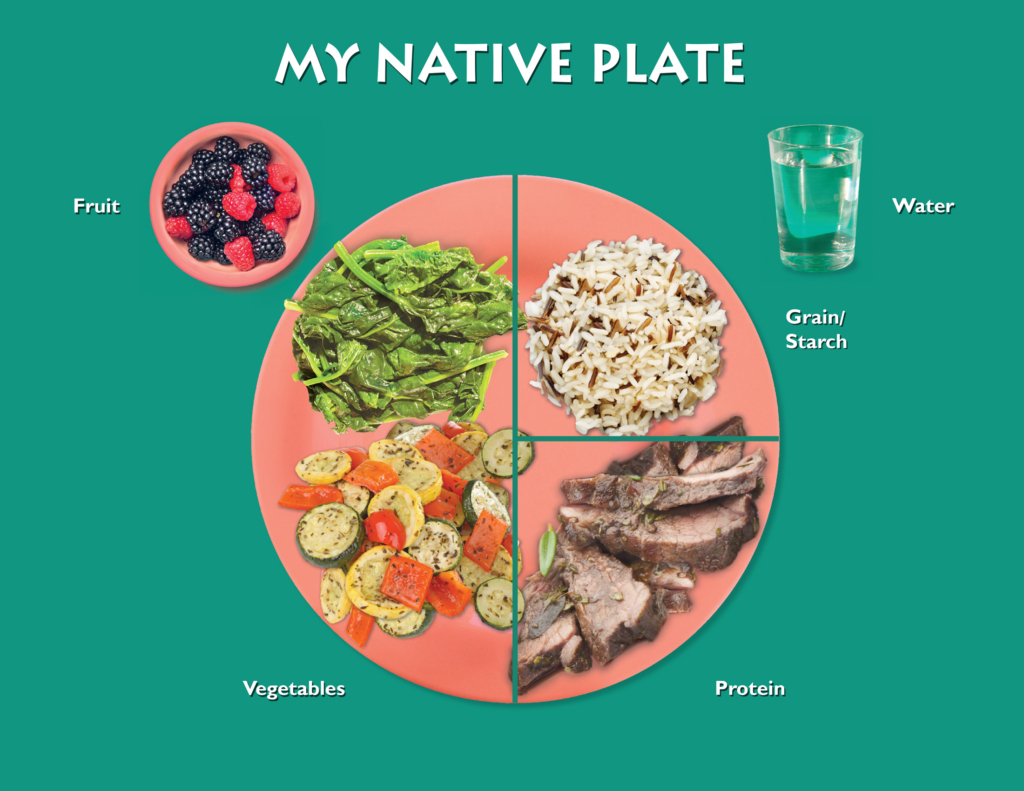
The plate method is evidenced-based care and backed by the USDA, CDC, NIH and ADA.
Impact of diabetes
“In addition to improving individual health outcomes, the Diabetes Prevention Program aims to foster long-term, generational change by enhancing the overall health and quality of life of our community,” said Brown.
Brown served as the diabetes and nutrition expert during an October session of Oklahoma’s Public Health Committee, where she presented key information about the health and economic impacts of prediabetes and diabetes in Oklahoma, as well as about efforts to address the issue in tribal communities.
In Oklahoma, approximately 390,400 adults have been diagnosed with diabetes, which accounts for 12.6 percent of the population. This rate is notably higher within the Native American population, with some tribes seeing an incidence rate of over 50 percent.
The economic impact of diabetes is also staggering, with the annual cost of the disease in the U.S. totaling over $400 billion in direct medical costs and reduced productivity. In Oklahoma, the annual economic burden of diabetes is estimated to be $3.8 billion.
Additionally, according to the Centers for Disease Control and Prevention, more than 1 in 3 Americans have prediabetes, but 80 percent of them are unaware of their condition.
“This highlights the need for increased awareness and preventative measures to reduce the risk of developing type 2 diabetes,” said Brown.
Learn more about the CPN Diabetes Program at cpn.news/diabetes. Anyone interested in participating in the Diabetes Prevention Program should contact the Diabetes Clinic at 405-214-5117.