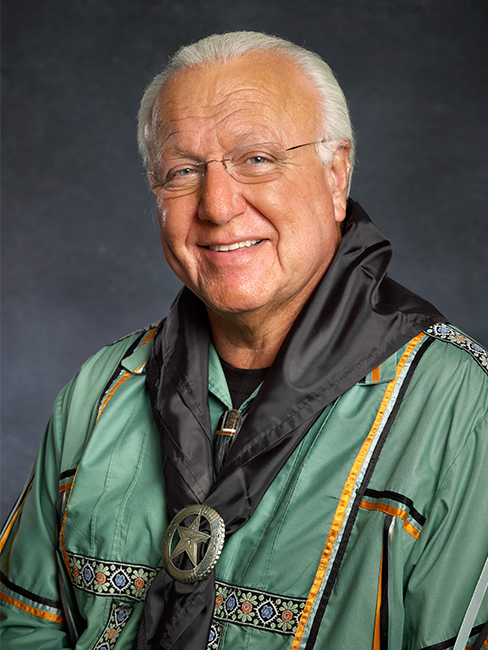
John “Rocky” Barrett
Tribal Chairman
Bozho, nikan, (Hello, my friend),
Fifty years ago, the Citizen Potawatomi Nation faced an uncertain future. Our resources were so meager and our governing ability so limited, we barely functioned as a government. We had so little impact on our people with so few services, we were unable to preserve and promulgate our culture and language. We had no ability to provide health, education and job opportunities to our 11,000 members at that time. The policies of the Bureau of Indian Affairs restricted our ability to function and the other branches of the federal government simply ignored us.
With only $550 in Tribal government funds and less than three acres of land in 1975, our ability to sustain and grow as a Nation from month to month was in question. Our people had so little contact with their Tribal government that thousands did not even bother to enroll. Finally, our citizens recognized that our very governmental form, our Constitution, had to be changed to break us out of the downward spiral we were caught in. I am very proud to have been a part of that history-changing effort. Through hard work, careful planning, thrift, strategic investment and a firm commitment to self-governance, we have built an economic and cultural foundation that ensures our prosperity for generations to come. Even more, we have one of the most inclusive tribal governments in the United States. Every adult member of our Tribe can vote in our elections. It is so very vital that they do so. We cannot continue to prosper unless we elect capable leadership with our votes!
Running the operation of the Tribe is no small task. Today, the Citizen Potawatomi Nation has an annual economic impact of $822 million. We are the largest employer in Pottawatomie County, responsible for 70% of new jobs in the area. Sovereign Bank, 100% owned by the Citizen Potawatomi people, is the largest tribally-owned bank in the United States. It has surpassed $1.25 billion in assets, also making it the 19th largest in Oklahoma. Our Community Development Corporation has over $75 million in lending capital providing over $135.4 million in loans to Native-owned businesses. These achievements are not just numbers — they represent greater economic security, increased opportunity and the ability to direct our own future.
Economic success is only meaningful if it benefits our people. Economic self-sufficiency is the only way we can truly call ourselves a “sovereign nation.” No tribe can call itself “sovereign” if it is dependent on the federal government to operate or survive.
Our first obligation is to our future generations. In 2023 alone, we awarded $6.1 million in scholarships to 3,509 students, empowering our youth to pursue higher education. The next most vital obligation is to the health and welfare of our people. Our healthcare programs provided over 291,000 prescriptions and nearly 9,300 physician visits, plus the new telemedicine service, ensuring access to vital medical services.
We continue to expand our support for our elders, with continued construction of new housing, health visits in elders’ homes, plus serving more than 9,200 meals in community settings and delivering over 11,000 meals to those who need them most. These efforts reflect our commitment to improving the lives of every Citizen Potawatomi member, from the youngest to the oldest.
Beyond economic and social progress, we remain steadfast in preserving our culture and traditions. Our language programs through the Cultural Heritage Center continue to grow, fostering a deeper connection to our Potawatomi heritage among younger generations. The CPN Eagle Aviary stands as a testament to our respect for the land and the sacred role of eagles in our traditions. Protecting our sovereignty and cultural identity is just as important as economic growth, and we will continue to invest in initiatives that strengthen both. Utilizing economic advantages was an important part of our history and culture for over 300 years – from the fur trade in the Great Lakes before the United States even existed, to the present day, our culture has included trade and commerce. This aspect of our culture, we called it “survival” in the old days, continues to this day.
We know that today we are again living in uncertain times. But just as we have overcome challenges in the past, we will rise to meet them now. Our ancestors endured hardships far greater. Their example of resilience carries us forward. Their example must continue to be our strength. We stand together, and together, we will get through whatever comes next.
While we have achieved significant milestones, our work is far from finished. We must continue expanding economic opportunities, enhancing healthcare and social services, and safeguarding our sovereignty from external threats. The strength of our Nation depends on the choices we make today, and I am honored to serve as your Tribal Chairman as we move forward together.
The Citizen Potawatomi Nation is stronger than ever, but we must remain vigilant and proactive to ensure our continued success. By standing together, we will secure a future that reflects the resilience, independence, and shared values of our people. That can be accomplished through experienced and capable leadership.
Migwetch (Thank you),
John “Rocky” Barrett | Keweoge (He Leads Them Home) | Tribal Chairman
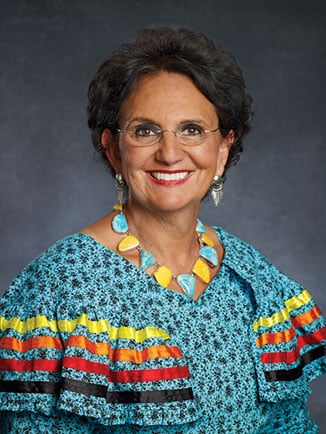
Linda Capps
Vice-Chairman
Bozho (Hello),
The Citizen Potawatomi Nation is gearing up for numerous events during 2025. Plans are already in place for the eighth CPN Balloon Festival on Aug. 8 and 9. The balloon festival committee’s first meeting was held on Jan. 16. It takes a massive effort to plan this huge festival. The 2024 CPN Balloon Festival had 60,000 people visit during the two-day event. That is a sizeable number of people visiting the headquarters area. Parking is a problem and make-shift parking areas must be located in each direction. Every empty field around the complex is designated for parking. The fact that we have at least three empty fields is the only way we can contemplate hosting the event. Otherwise, there would be no possibility of having ample parking space for such a crowd.
Every year we have a lot of preliminary work to do for the annual CPN Family Reunion Festival. The glory about this event is we have repeated the preparation for so many years that it is pretty much second nature to most of our employees. One new event that we will have for the festival is a PowerPoint presentation about Potawatomi Trail of Death with Matt Beil as the moderator. Sharon Hoogstraten will present the historical background of the Potawatomi removal, Rich Meyer presents the operation of the commemorative caravans, and George Godfrey outlines the process of designated landmarks and what the future holds. In addition, Sharon will also have the second edition of Dancing for Our Tribe available to sell. This year’s festival dates are June 27 through the 29. The honored family members are Bourassa, Burnett, Melot, Navarre, Peltier, Wamego, Willmet and Vieux. Hopefully, this will be a record year for attendance.
There is a very big bowling event May 18, 2025. It is the TAT FireLake Bowling Championship presented by True Amateur Tournaments of Las Vegas, Nevada. First place grand prize is $20,000. Division champions receive $5,000. Divisions are divided by: Senior, 215 & Under, 189 & Under, Scratch Division Champions seeded to Final Match, Progressive Pot starts at $5,000, and $500 for making a Division Cut. There is a $350 entry fee, which includes a Storm Bowling Ball. 2 Sweeper Squads – Wednesday $500 for 1st Place, and $250 Daily Division Bonuses – Wednesday and Thursday. This is a true Las Vegas Megabuck Amateur Tournament coming to FireLake Casino! This tournament should draw 500 to 700 entries. Contact 1-844-321-8100 or [email protected] for additional information.
Citizen Potawatomi Community Development Corporation (CPCDC) presents programs for our employees and Tribal members on a regular basis. A Time and Stress Management Lunch & Learn is scheduled for Thursday, March 20, 2025, at the Grand Casino Deer Room at 777 Grand Casino Blvd., Shawnee, OK. A free lunch is provided with pre-registration. To register, contact Angela Franklin at 405-878-4697 ext. 4257 or email [email protected]. Sonja McDaniel is the speaker, and the event lasts from noon to 1 p.m. The CPCDC is greatly appreciated for the types of financial literacy and economic opportunities that they offer throughout the year. Established in 2003, the CPCDC provides financial products and counseling services to the Citizen Potawatomi Nation members. In addition, they provide loans to small, Indian owned businesses, regardless of Tribal affiliation.
These are four excellent examples of events that take place at CPN all year long. There is a program, presentation, organization meeting, or athletic event on an on-going basis. CPN is fortunate to have excellent employees to provide or coordinate these services.
I cherish the opportunity to serve as your vice chairman yesterday, today and tomorrow.
Migwetch (Thank you),
Linda Capps | Segenakwe (Black Bird Woman) | Vice-Chairman | Work: 405-275-3121 | Cell: 405-650-1238 | [email protected]
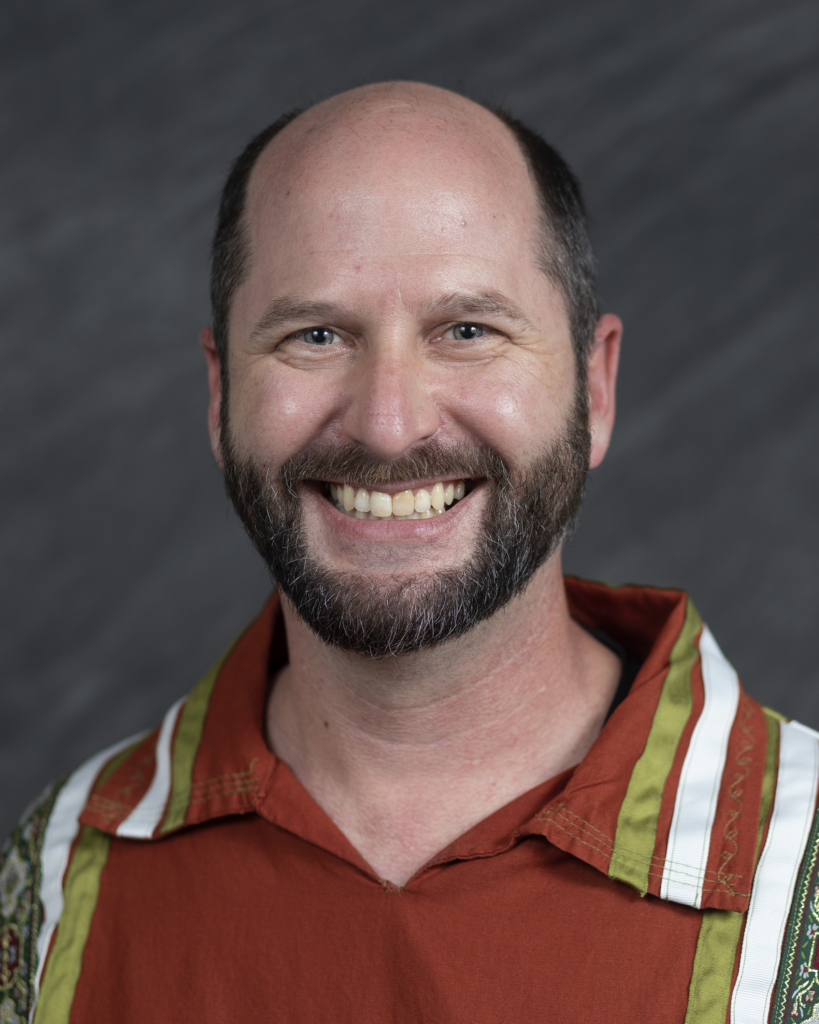
Alan Melot
District 1
Bozho, jayek (Hello, everyone),
I hope this message finds you well, as we anticipate the arrival of spring. I am grateful for the changing seasons — winter’s restfulness gives way to spring’s renewal, and this is truly a gift. Both rest and renewal are essential for a balanced life.
I want to follow up on what D2 Legislator Eva Marie Carney shared in the January issue of the Hownikan on the Bodéwadmi Confederation. I am supportive of CPN becoming part of the confederation. In an era of uncertain relationships between the federal government and tribal governments, I believe that speaking as one amplifies our collective strength and influence.
Potawatomi people have lived on this continent since time immemorial. Historically, we were many bands, yet one people, even as we lived in different places — just as residents of Detroit, Grand Rapids, and Traverse City are all citizens of Michigan, despite living in different towns. It was not until forced removal by the U.S. federal government that we became separated in the way we are today. Again, we were many bands, yet one people. By joining the confederation, we have an opportunity to reclaim that unity — not as a single Nation, but as a strong alliance of Potawatomi Nations. I believe that a return to this model by being many Nations and one confederation
is a powerful way to exercise our own sovereignty, a way for Potawatomi to determine what it is to be Potawatomi and who we associate with rather than the federal government determining that. In many ways, U.S. President Andrew Jackson is responsible for our current tribal experience of removal and separation from our own people. It is high time that we assert ourselves and not allow U.S. presidents to tell us who we are and who we can be. We are Potawatomi, who have been here since time immemorial. It is our sovereign right to be united as one people.
Joining the confederation is not without risks and has details that need to be worked out. I do not want our Nation to be undermined by irresponsible partnerships. As we consider this important step, I encourage each of you to share your thoughts with our legislators and executives. You can find their contact information in this issue of the Hownikan or online at potawatomi.org.
With the election season upon us, we now have two confirmed candidates for District 1, with Anna Johnson and Steve Livingston both qualifying for and stepping forward to run for the seat I currently hold. I know both Steve and Anna personally and am deeply appreciative that both of them are willing to put themselves in front of all of you to be viewed critically and thoughtfully so that you can choose one of them to take on the duties of leadership. Anna and Steve are very different people, with different positions of life and varied perspectives, but I truly believe that both are strongly committed to the betterment of our nation. District 1 has two high quality candidates, and I am proud that we are in such a place that with either choice our district will be well cared for over the next term. I encourage you to engage with both candidates, learn about their positions and make an informed decision when you vote. Both have stated they are available during this time and have invited connection; I expect you will find their contact information elsewhere in this issue of the Hownikan. Voting is a vital part of our governance, and I strongly encourage each of you to make your voice heard at the ballot box!
Until next time,
Alan Melot | Legislator, District 1 | [email protected] | 608 S. Sergeant | Joplin, MO 64801 | 417-312-3307
Eva Marie Carney
District 2
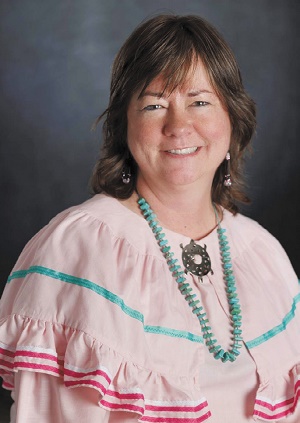
Bozho, nikanek (Hello, friends),
Continuing as Your District 2 Legislator
I did not draw an opponent in the upcoming election for the District 2 Legislative seat. I am excited to report that I will be sworn in again in June during our Family Reunion Festival weekend. I look forward to continuing my work as your legislator and to visiting with you and your families throughout this next term. Migwetch (thank you) for the opportunity to serve.
Family Reunion Festival
If you are planning to attend this year’s Family Reunion Festival, which will take place Friday, June 27 through Sunday, June 29, 2025, it is likely that the hotel next to the powwow grounds will be open then. You can call for reservations at the new hotel or the Grand Casino by calling the Grand Casino Hotel at 405-964-7777. A couple of reminders:
- The Honored Families for 2025 are Bourassa, Burnett, Melot, Navarre, Peltier, Vieux, Wamego and Willmet
- CPN members and their immediate family household members are welcome
- The Family Reunion Festival is always held on the last full weekend in June
- In-person voting on candidates and other ballot measures takes place on Saturday before General Council and by absentee ballot; all ballots are counted immediately before Saturday afternoon’s General Council meeting, when voters’ decisions are announced
- Voting is an important responsibility; please vote!
New book by Robin Wall Kimmerer
Beloved CPN author Robin Wall Kimmerer has a new book! It already is on the New York Times bestseller list. The book is The Serviceberry: Abundance and Reciprocity in the Natural World. Please check it out of the library, buy yourself a copy, or listen to it streaming, at no charge, at cpn.news/serviceberry.
In keeping with the book’s theme that the serviceberry is the “embodiment of reciprocity,
interconnectedness and gratitude,” Robin is donating her advance payments from the book as a reciprocal gift, back to the land, for land protection, restoration and justice.
More exciting book news
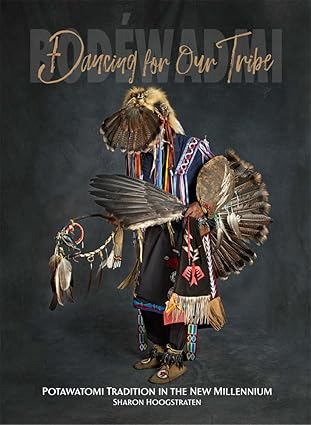
Another beloved CPN author, photographer Sharon Hoogstraten, told me she is working on a second edition of her incredible book of Potawatomi history and breathtaking photographs of Potawatomi people in regalia, Dancing for Our Tribe: Potawatomi Tradition in the New Millennium. I understand that both Robin Kimmerer (mentioned above) and our Vice-Chairperson Linda Capps provided commentary for the new book jacket. I cannot wait to see the new edition. I will share purchasing information when available. You can find examples of Sharon’s extraordinarily beautiful large-format canvas portraits of Potawatomi on our Cultural Heritage Center page (potawatomiheritage.com/dancing-for-my-tribe/).
Bandolier bag, beading and other crafting update
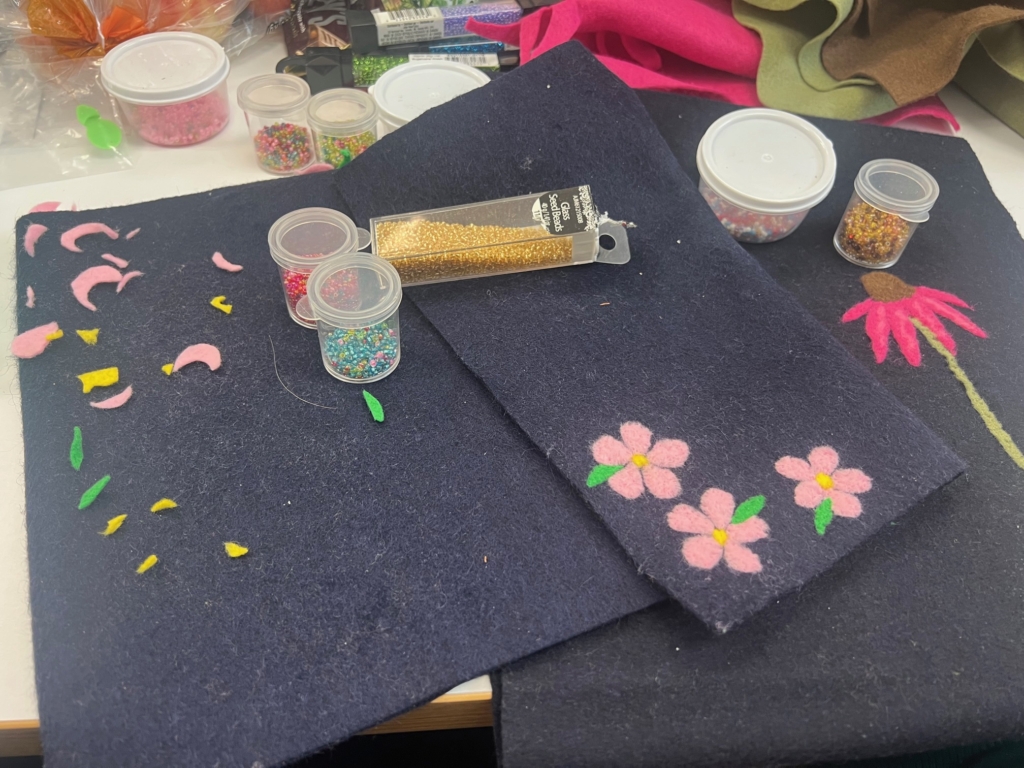
About 10 of us had a grand time on Saturday, Feb. 1, meeting up to continue work on the bandolier bags started at our Fall Feast and on ongoing beading and knitting projects. I have included a photo of the inprocess bags of two attendees, Peggy and Shelby Hurlock, grandmother and granddaughter, respectively, of the Pettifer family. Migwetch (thank you) to folks who travelled from distant parts of Maryland and Virginia to meet.
Resources Available
Please visit my website, evamariecarney.com, for updates on District meetings, Family
Festival and Potawatomi Gathering dates, and more through the Calendar page. You will find Winter stories, information on eagle feather care and more under the password-protected Heritage page (write me if you need the password). A while back, CPN District 2’s Lyle Simmons prepared a step-by-step guide (cpn.news/moccasinguide), with photographs, for making Potawatomi-style, soft sole, center seam, pucker-toe mkesinen (moccasins) that you’ll also find uploaded to the Heritage page. I hope you will explore the site.
Migwetch (Thank you),
Eva Marie Carney | Ojindiskwe (Bluebird Woman) | [email protected] | [email protected] | evamariecarney.com | PO Box 5595 | Arlington, VA 22205 | Toll Free: 888-849-1484 (voicemail)
Bob Whistler
District 3

Bozho nikanek (Hello friends),
District 5 Meetings
My November/December article advised I would be running for another term. Since then, I have had to cancel after contracting a medical condition that limits my driving to city streets. There will be a district meeting on April 5th. The meeting will be held at Texas Motor Speedway, 3545 Lone Star Circle, Ft. Worth, TX 76177. A postcard will arrive with those details. RSVPs have a deadline for meal ordering. Please send your RSVP to the postcard contacts by March 25.
Namings
On Jan. 25, I hosted a naming ceremony at my home for the Mullen family. John Mullen contacted me to say that his three children would like to have Potawatomi names. I accepted the request and asked both Czarina Thompson of the Cultural Heritage Center and Justin Neely, language director, for help with research into the family history. They are descendants of the Bergeron/Melott family, with the Bergeron link leading me into some history about their ancestor, Chief Shabbona. Mr. Mullens’ daughter, Alyssa, had some very good traits that were similar to a fifth great-grandmother. In our namings, it is an honor if such a relationship or similarity is found and the name is passed down by the one doing the naming. My fellow elder and CPN member George Godfrey wrote an investigative work on this woman’s history (Watchekee – Overseer). When I began my search, I didn’t realize I had a copy of that book. At the naming, in addition to giving each an eagle feather, I gifted her the book. Her two brothers that received names are Kyle and Christopher. Attached is a photo of the family with me in the prayer circle I arranged around a table. An abalone shell was in the center of the table and used for smudging and blessings. My youngest daughter, Kim, blessed the circle with cedar.

Walking On
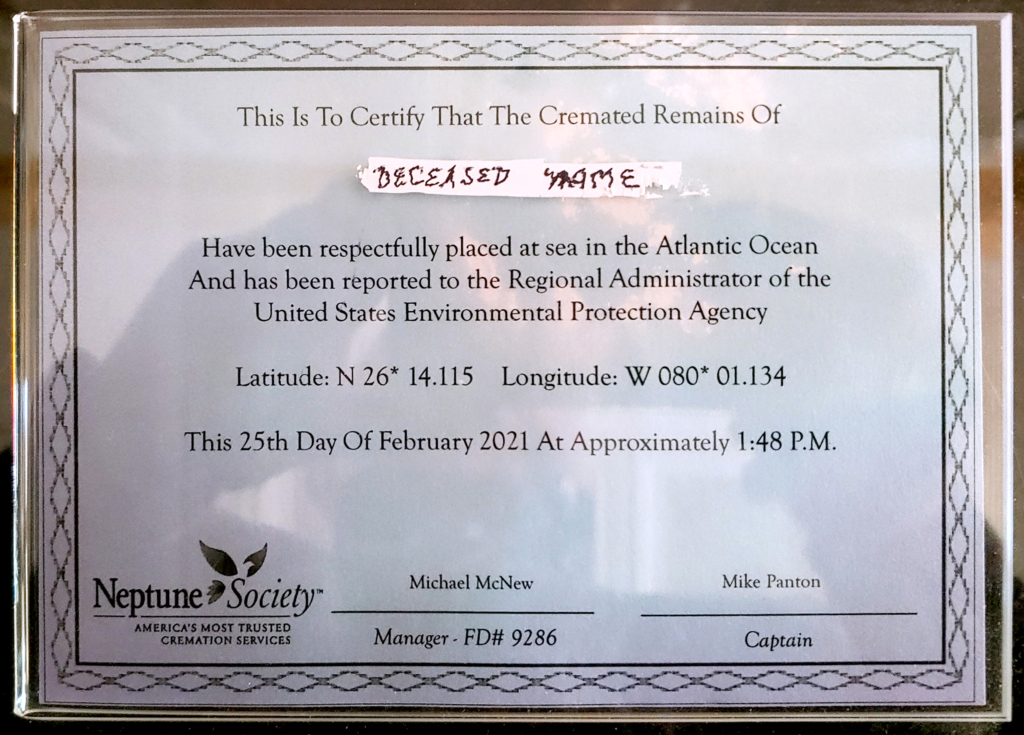
Several months ago, I wrote about the new columbarium CPN constructed for our Nation’s members to use for cremains. This is a free benefit to our members, and a service may also be held at no cost. Our Nation provides you with a $2,000 death benefit that you must request from Tribal Rolls. When we walk on, there are several options for handling deceased remains, and I want to give you some pricing expenses. A regular funeral with a casket, service and burial in a cemetery may run well past $10,000. One that I oversaw in 2024 was closer to $25,000. You may use cremation with burial locally, which could be $4,000. There could also be memorial engraving or other service costs added on. A final choice that I am using the Neptune Society. Their basic cost for cremation and return of the ashes is $2,490. They offer scattering of ashes at sea and will provide a certificate giving date and location. A copy of a certificate accompanies this article. Their full service with scattering the ashes and certificate is around $3,000. As far as paperwork, there will be a death certificate fee of around $75, and in the Dallas/Ft. Worth area a $10 fee for each copy. You may need 10 or less. For elders, I suspect many have already looked into this and decided how they will be handled. But as each of us gets up each day, we never know what the day may hold. An unexpected walking can cause stress and incur expenses that could be more affordable. So, I chose to offer this information to you.
Nagech (Later),
Bob Whistler | Bmashi (He Soars) | [email protected] | [email protected] | 1516 Wimberly Ct. | Bedford, TX 76021 | 817-229-6271 | cpndistrict3.com
Jon Boursaw
District 4

Native American Education in Kansas Public Schools
My involvement in introducing Native American Education into Kansas Public School has definitely been intensified over the past several weeks. This included attending two conferences at the University of Kansas. The first was a day-long conference at which we met with teachers from across Kansas to give them a brief overview of what is included in Native American Education. It is much more than those people who lived in teepees and hunted buffalo on the prairie. We introduced them to topics like treaties, relocations, culture, language, Native agriculture and more. Needless to say, the responses centered around “I didn’t know that.” The second conference was scheduled to start the day after I submitted this article to the Hownikan. The three-day program centered around bringing tribes into the modern era of data innovations. The conference speakers and panel members included a wide assortment of Native Americans from several tribes. These included faculty members and graduate students from the Osage, Muscogee/Creek, Apache, Pawnee, Tohono O’odham, Shoshone, Comanche and several more tribes. I was fortunate to serve on two panels on the third day to discuss tribal cultural centers and standards of care of museum collections.
Don’t forget I was still scheduled to give my presentation on the removal of the Potawatomi from Indiana to Kansas in 1838 at a Junior High School in Overland Park, Kansas, later in February. What I originally thought was one presentation turned out to be four: two in the morning and two in the afternoon.
Upcoming CPN Elders’ Potlucks
Dates for the Elder Potlucks held in Rossville at noon are:
April 11 | Roast Beef & Mashed Potatoes | RSVP by the 8th
Bring your favorite side dish or dessert. Please RSVP to Tracy at 785-584-6171.
Five Timeless Native American Proverbs for Modern Living
I saw these on my computer screen and thought you might enjoy them. Five more next month.
A Sacred Connection to Earth: “The earth does not belong to us, we belong to the earth.”
A profound truth that urges humility. Instead of treating the planet as property, we must live as its stewards.
Our survival depends on understanding this sacred connection and respecting the world that sustains us.
The Power of Listening: “Listen to the wind, it talks. Listen to the silence, it speaks. Listen to your heart, it knows.”
This proverb teaches us to pause and listen, not just to others, but to nature and our inner voice.
Answers often lie in what isn’t said, which reminds us to embrace silence and intuition.
Legacy Through Actions: “We will be known forever by the tracks we leave.”
Our actions define our legacy. The proverb encourages mindfulness about our marks on the world, whether in relationships or the environment. Each step matters as it shapes how we’ll be remembered long after we’re gone.
Wisdom Over Knowledge: “Seek wisdom, not knowledge. Knowledge is of the past, wisdom is of the future.”
Knowledge is valuable but incomplete without understanding. It emphasizes learning beyond mere facts but focuses instead on experience and intuition. True wisdom lies in using what we know to build a better tomorrow.
A Life of Balance: “Take only what you need and leave the rest for others.”
This principle emphasizes balance and sharing. By taking only what’s necessary, we preserve resources and create fairness. It’s a lesson in resisting greed and fostering harmony within our communities and with nature.
Megwetch (Thank you),
Jon Boursaw | Wetase Mkoh (Brave Bear) | [email protected] | 785-608-1982 | 2007 SW Gage Blvd. | Topeka, KS 66604 | Office Hours: Tuesday 9-11 a.m. | Thursdays 3-5 p.m. | Other times as requested
Gene Lambert
District 5
Bozho (Greetings),
You cannot be Indigenous and not know the legends about the turtle. Perhaps there is more to know than we imagined.
As Native Americans, we acknowledge how special the image of a turtle is. After all, we live on Turtle Island.
It would be like remembering the solar system and forgetting Earth.
Many cultures honor the turtle, but to most it represents protection, longevity, patience, endurance and wisdom. This might include Hindu, Japanese, Chinese, Native American, and, of course, the federal government has its protective laws too.
Did you know owning a turtle is illegal in many states, particularly the sea turtle or the box turtle? The sea turtle is known for its assignment to the ecosystem. One of the sea turtle’s jobs is to protect the lobster, shrimp, tuna and coral in the ocean.
The box turtle is an endangered species and protected, making it a federal crime to own, breed or sell, much like the eagle and its feathers. You cannot take a turtle from the wild and keep it. The laws vary state to state, but it is considered a federal offense in some.
So, if you want to own a turtle as a pet, check the type of turtle you are wanting and the legalities involved.
The markings on a turtle shell are said to be like your fingerprints. They provide identification. I had absolutely no idea.
This all makes me feel a bit guilty for having a turtle purse, which is part of my regalia.
According to the world wide web, Justin Neely and others, the shell pattern acted as a lunar calendar, representing the cycles of time. The interpretations of the shell did vary, but I was fascinated by the likenesses.
Distinct “squares” on the shell are seen as symbolic of the 13 moons in a year, highlighting the turtle’s role, thus the calendar.
A turtle’s shell and its markings were considered a keeper of Earth’s history, in the same way as you judge the age of a tree.
Some Native American tribes see the 13 larger scales on a turtle’s shell as representing the 13 lunar cycles in a year.
In certain Native American traditions, the turtle is believed to have played a role in the creation of the Earth.
We have been using the turtle’s shell for generations as rattles, purses and when tooling a weapon for hunting.
The fact that the turtle is a symbol and connection to Earth and natural cycles gives us a deep respect for the creature.
The slow movement also represents taking it slow in life, and the shell acts as protection to the animal inside. He will not come out until he feels safe.
I did have a pet turtle (a legal one) named Nu who would run the backyard as if he owned it. That is until my shih tzu would spot the slow crawl. She would stand over the turtle and bark. He retreated into his shell until she either went away or stopped barking. She never tried to invade his space. She was just very curious about what made him tick. We didn’t even notice after a few days.
Before we close on the turtle, I would like to announce the Arizona meeting has been confirmed for Saturday, March 22, at the Heard Museum in Phoenix, Arizona, from 10 a.m. to 3 p.m. Watch for your invitation or just RSVP.
You will be able to visit the museum free of charge either before or after.
I look forward to seeing you all there. It will be great fun.
Love you all,
Gene Lambert (Eunice Imogene Lambert) | Butterfly Woman | [email protected] | 672 E Press Road | Queen Creek, AZ 85140 | Cell: 480-228-6569 | Office: 480-668-0509
Rande K. Payne
District 6

Bozho nikanek (Hello friends),
Even though the Super Bowl didn’t go the way Chiefs fans had hoped, it was still
another impressive season for their program. The Eagles dominated both sides of the
ball and earned themselves a well-deserved Super Bowl win. Congratulations to CPN’s
Creed Humphrey on another great season even though the Chiefs three-peat was not
to be. Another AFC Championship is no easy feat and certainly something to be proud of.
The Potawatomi Confederacy seems to be on the hearts and minds of some of our Tribal members. The Tribal members I’ve talked to are of the opinion that if CPN was to join the confederacy, it would promote opportunities for our tribes to strengthen our sovereignty, expand economic opportunities and give our Tribal members a deeper connection to our Potawatomi roots. While these may be worthwhile aspirations, as the articles are currently written, I don’t see a clear and well thought out path forward. I don’t have enough space here to fully elaborate but my primary reasons for not supporting joining the confederacy are as follows. The articles are loosely drafted with a lot of details not addressed. Some are advocating that CPN should join the confederacy and work out the details as we go. I don’t see that as a recipe for success. To me, it’s like signing a contract to buy a car with many of the key components left blank to negotiate after you take possession of the car. Our legal team presented the Tribal Legislature with a summary of pros and cons of joining the confederacy. In short, they identified several areas of concern and didn’t see the benefits outweighing the concerns and associated risks. At issue for me is that there are non-Potawatomi First Nation tribes included in the Confederacy. How can it even be called the Potawatomi Confederacy in that case? I am all for being in relationship with our fellow Potawatomi tribes. I would like to see it be more than just an annual gathering, but I don’t think joining the Potawatomi Confederacy, as the articles are currently drafted, is in the best interest of CPN.
As you may know, we will be electing our Tribal chairman in June. It’s no secret that participation in our Tribal elections is dismal at best. As I have said before, we are blessed with dual citizenship with the right to vote in federal, state and local elections as well as Tribal elections. Thank you to those who take the time to be part of the process. And for anyone who doesn’t vote for whatever reason, I would simply encourage you to consider taking just a few minutes to request your absentee ballot, fill it out and mail it in. If you have concerns about your personal information being exposed, you can always put your request for absentee ballot and your ballot envelopes in a master envelope addressed to the election committee. If you have questions about that please let me know.
I’m super excited about the Cedar City gathering. It’s a new area and I’m looking forward to meeting with Utah and Nevada area Tribal members. I hope to see you there!
Potawatomi word of the Month: mnokme – spring it is
Wisdom from the Word: “Declare his glory among the nations, his marvelous deeds among all peoples.” 1 Chronicles 16:24
Jagenagenan (All our relations), Nagetch (Later)
Rande K. Payne | Mnedo Gabo | [email protected] | 31150 Road 180 | Visalia, CA 93292-9585 | 559-999-5411
Dave Carney
District 8

Bozho nikan, (Hello friend),
Potawatomi word for dog – nemash
I’ve written about this topic in the past, however, I think it’s something that deserves revisiting.
When invited to Native ceremonies, I learned that dogs are generally not welcome in sacred areas such as prayer circles. Being a big dog lover, I decided to look into the relationship between Native Americans and our canine friends.
The Spanish conquistadors are said to have introduced horses to the Americas. Prior to that, Native Americans used dogs as a means to pull carts and carry heavy items long distances. Native people valued the dogs’ traits of loyalty, skill in hunting and protective nature. Anthropological digs have unearthed signs of dogs living with Indians for thousands of years.
Did man decide to make dogs his best friend or did the dog adopt the man? Explained in the book, Dog People: Native Dog Stories by Joseph Bruchac (Fulcrum Publishing, 1995) the dog offered to be man’s companion.
“A spirit had assembled all of the earth’s creatures. His task was to find the right animal to become a companion to human beings, who had not yet been created. He asked the animals how they would treat people. Some said they would tear people apart; others said they would live near people to steal their food.”
The dog said his only wish was to live with people, share their food, help them hunt, guard their children and possessions, even at the risk of his own life.
A traditional explanation of the relationship between man and dog can be found in The Mishomish Book: The Voice of the Ojibway by Edward Benton-Banai (1998). The story is key to the Potawatomi naming tradition and is paraphrased here:
Gichi Manidoo (sometimes called the great spirit) put Nishnabé (original man) down on the earth to name all the plants and animals. The man noticed all the animals came in twos, yet he was all alone. So, Gichi Manidoo listened and sent the wolf (mo’ewe) to be a companion. The wolf travelled with the man, keeping him company, naming and learning about all the plants and animals. Nishnabé and the wolf would be like brothers and visit all the places on the earth. They also realized that they were like brothers to all the plants and animals and depended on them.
When they finally finished their task of visiting all the places, they spoke with Gichi Manidoo again and were told that now, they must go their separate ways, but whatever happened to one would also happen to the other. So, the man and the wolf set off in their different directions.
And although Nishnabé and Mo’ewe have their own separate worlds now, in some ways their fates have been similar. Both have lost land, both have been mistreated, misunderstood and hunted. On the other hand, both have survived, mating for life and raising their families.
As hard as it is to believe sometimes, our dogs come from the wolf, and dogs today are friends to us like the wolf was to Nishnabé, but since Gichi Manidoo separated the courses of man and wolf, they are not to be around ceremony.
I am in the process of setting up some meeting dates in our district. The only date that I can ask you to save at this time is Saturday, Oct. 11 for our Fall Feast. Alternating between Portland and Seattle has proven to work well since these are the largest pockets of citizens in our district. 2025’s gathering will be in Seattle. Stay tuned for more details.
It is my honor to serve as your Legislator,
Dave Carney | Kagashgi (Raven) | [email protected] | 360-259-4027
Paul Wesselhöft
District 9

Bozho, nikan (Hello, friend),
DIVINE MAESTRO
— Paul Chrisstarlon Wesselhöft
Matter, even dirt,
Is composed of spectacular sub-atomic particles
That oscillate, vibrate at frequencies
Like strings on a cello
Creating notes in the seen, unseen world.
Matter, never inert,
Pulsates like an orchestra accompanying arias
In a cosmic symphony so mellow,
Composing, conducting
The designed fine-tuned laws of the cosmos—
God as maestro.
Migwetch (Thank you),
Paul Wesselhöft | Naganit (Leader) | [email protected] | [email protected]
David Barrett
District 10
Bozho (Hello),
We are beginning a new year. Allow me to provoke your thoughts about how proud I am to be a Potawatomi and to live in America.
Native Americans have had a long history of fighting in American wars, serving in various conflicts throughout history, often playing significant roles as scouts, cavalry soldiers, “Code Talkers,” and all of the military services that we are currently facing now and in the past.
Despite facing discrimination, Native Americans have historically served in the military at a rate significantly higher than the national average.
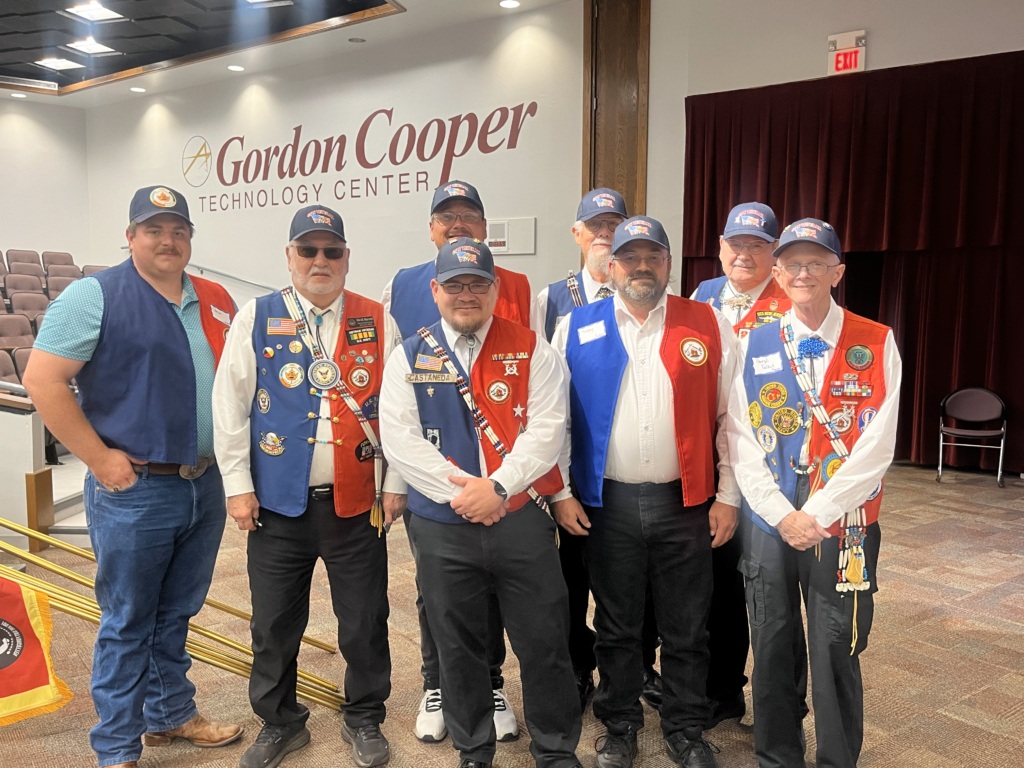
Native people cited multiple reasons for volunteering for military service including a powerful commitment to protect their country — both the United States and their ancestral homelands — from enemy invaders.
In the aftermath of the Japanese attack on Pearl Harbor, Native Americans were swept up in the national surge of patriotism and rushed to volunteer for military service. Over the course of WWII, 25,000 Indigenous men served in combat.
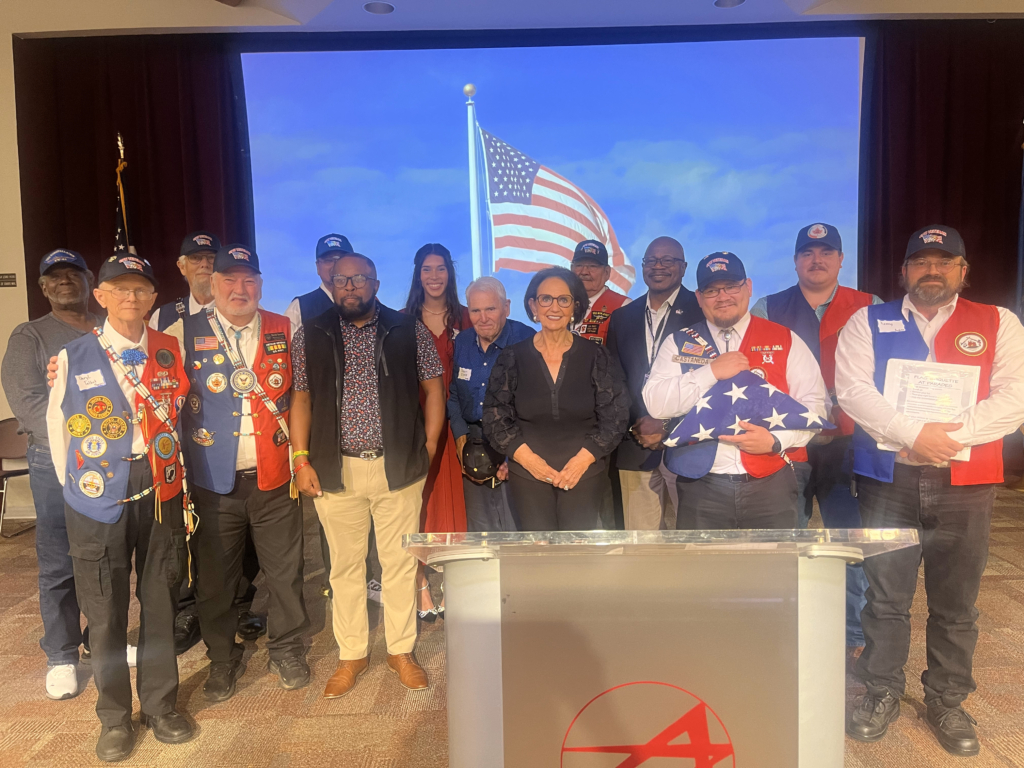
Allow me to discuss in my opinion two things with you about patriotism and nationalism from scanning different views on the internet.
PATRIOTISM:
- A positive sentiment that involves loving one’s country and serving its people
- A healthy love of country that involves working to improve it
- A willingness to criticize the government when it fails to live up to ideas
- A belief that one’s country can be improved, and that it can contribute to the betterment of all humanity
NATIONALISM:
- A political ideology that involves an extreme and exclusionary love of one’s country
- A belief that one’s country is the best, and that it should be promoted above all others
- A belief that one’s country is the solution to the world’s problems
- A belief that one’s country is threatened by immigrants, people of color, or others
who don’t belong - A belief that unity comes from a shared cultural background, rather than shared values
An overview of patriotism is a love for one’s country, while nationalism is a strong devotion to one’s country that places it above all others.
There is no consensus on where to draw the line between the two words.
“Patriotism” encompasses devotion to the country as a whole, including all the people who live within it. “Nationalism” refers to devotion to only one group of people over all others.
“Patriotism” gives more emphasis on the values and beliefs of a nation. “Nationalism” finds justification for the mistakes done in the past.
For example, the United States of America was formed when a group of people had a shared sense of belonging (nationalism) that was separate from the government they lived.
American nationalism is a form of civic, ethnic, cultural or economic influences found in the United States. The terminology “patriotism” and “nationalism” are two similar terms: both refer to the love towards one country, however, patriotism is a subtopic under the concept of nationalism.
Above all, our sense of collective loyalty, responsibility, and patriotism are central to the
health of our country. As President John F. Kennedy famously told his fellow Americans “Ask not what your country can do for you, ask what you can do for your country.”
As Native Americans, in my view, we really can’t distinguish whether we are more patriotic or nationalist. Our place in America has always been here all along with Native Americans clinging on to our sovereignty and self-determination.
Take time to thank a veteran, first responder and a person in blue when you have an opportunity.
It goes without saying that it is both a pleasure and an honor to serve you and our great Nation.
Migwetch (Thank You),
David Barrett | Mnedobe (Sits with the Spirits) | [email protected] | 1601 S. Gordon Cooper Dr. | Shawnee, OK 74801 | 405-275-3121