By Bree Dunham and Jennifer Randell, CPN Eagle Aviary Managers
When the Aviary had the opportunity to release their first bald eagle, Wadasé Zhabwé (Brave Breakthrough), in 2013, the idea of placing GPS telemetry on her before release was the best option for her and the Aviary program. The data gathered from her telemetry helped monitor her wellbeing and progress and also helped guide the staff in evaluating their standards of care and criteria for future releases, but more than that, the telemetry was a way to continue to honor that Neshnabé responsibility that we have for Eagle.
Our traditional stories explain that it was Kno (Eagle), that intervened on our behalf and saved us from destruction, and we feel like we have a reciprocal obligation to care for them now. But that responsibility extends beyond our facility when it comes to those we are fortunate enough to release. Nearly every eagle that comes to our facility is injured because of humans, directly or indirectly. From habitat loss to our roadways, power lines, wind farms, pollution, lead ammunition, and fish and tackle, we pose the greatest threat to them in the wild. Telemetry tells the whole story.
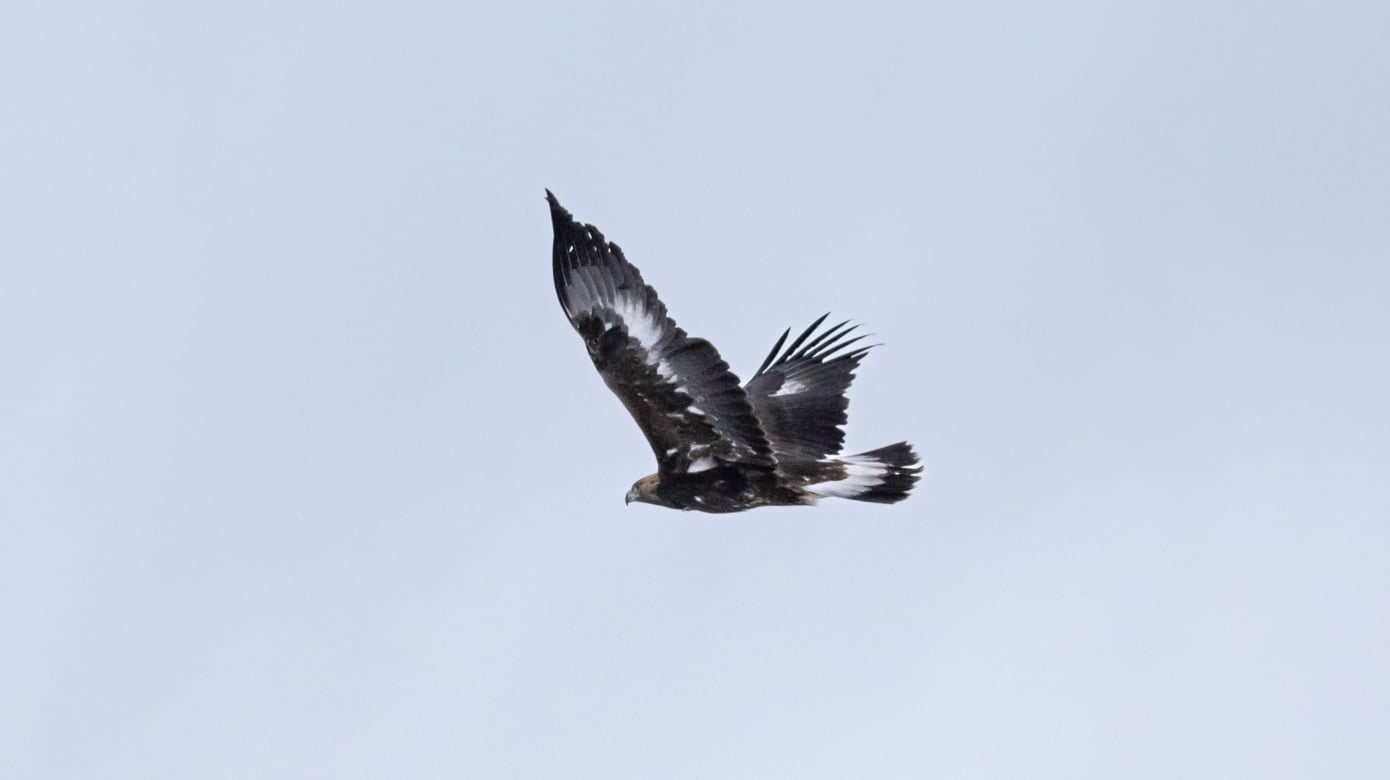
Every three days, new telemetry data is downloaded, and staff checks in on Mnotagwzékwé (She Brings the Good News) and Nëmkis (Little Thunder), the young golden eagles that were released last October near White Sulphur Springs, Montana. While released from the same site, the eagles took drastically different paths. Mnotagwzékwé remains in a valley near the Montana-Wyoming border. She’s never ventured further south than a few miles from Cody, Wyoming. She appears to have chosen her spring-summer territory just 150 miles from the release site.
Nëmkis traveled nearly 600 miles south before he made his way into the Arapaho National Forest in White Ranch Park in Colorado. He traveled through Yellowstone and continued down along the eastern side of the Rocky Mountain range before his trek south slowed down. His telemetry looked as if he had found an area to settle. However, a lot can happen in between telemetry cycles. The following download told a different story as we examined the data and the height he was flying. His last points show him traveling into Denver. Before we could reach out to Colorado Parks and Wildlife, we received a phone call from Rob Domenech, director of Raptor View Research Institute, who put the telemetry on Nëmkis. Domenech was notified Nëmkis had been reported grounded and was taken to a wildlife rehabilitator. His bloodwork indicated he had high levels of lead in his system, had developed pneumonia from being grounded, and he had contracted aspergillosis. He did not survive the night.
We were fortunate, working with U.S. Fish and Wildlife Services and Colorado Parks and Wildlife, to make the trip to USFWS Federal Repository to bring him home.
Without the telemetry we would have never known his full story. Nëmkis did everything right. His instincts supported him across three states. He not only endured one of the harshest winters the U.S. has seen in decades but was thriving doing exactly what the Creator put him here to do. Unfortunately, the meal he found that had been left behind by hunters ended up costing him his life. However, his story does not end there. The Aviary will continue to use his story as an opportunity to educate the public. We are partnering again with Domenech and others to help educate people on how lead affects raptors and how they can be part of the solution.
Lead poisoning
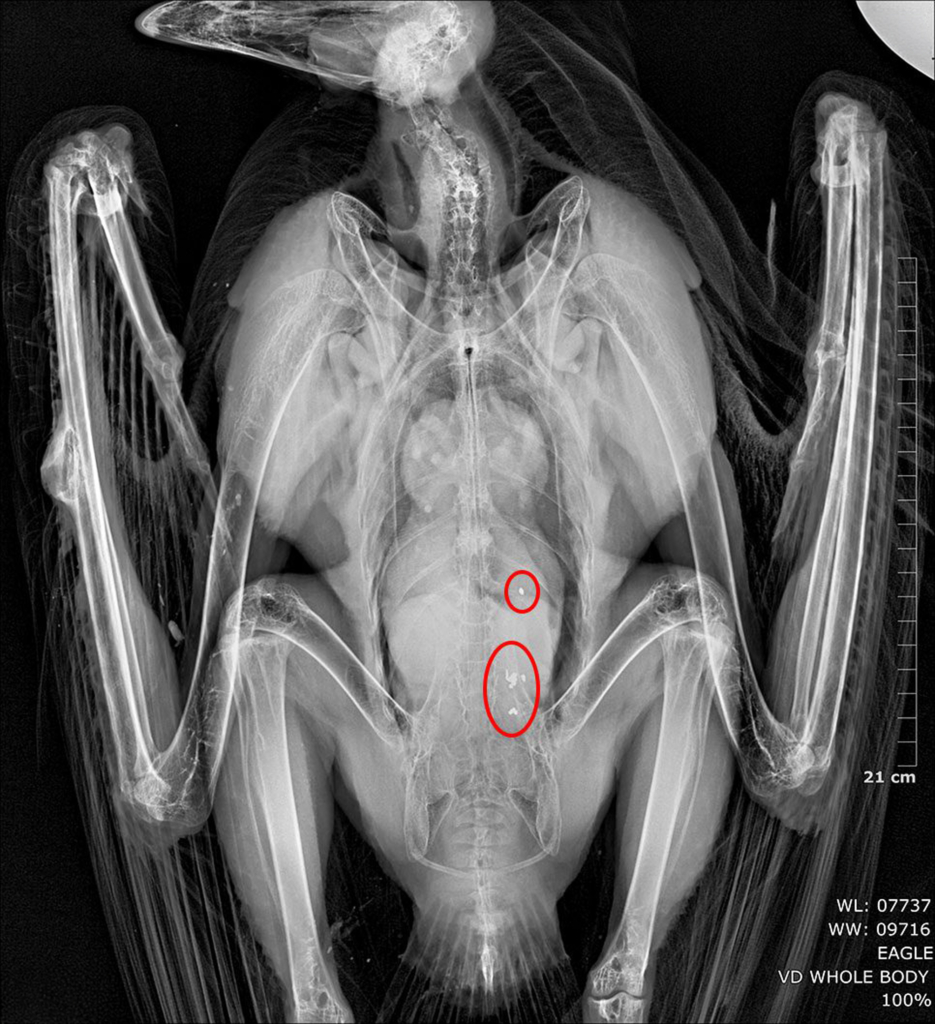
The CPN Eagle Aviary knows firsthand lead poisoning poses a hazard to birds and is contributing to the decline in eagle populations. Eagles are skilled hunters and opportunistic feeders, often feeding on carrion.
“It’s a protein source that’s out there and ripe for the picking,” said Domenech.
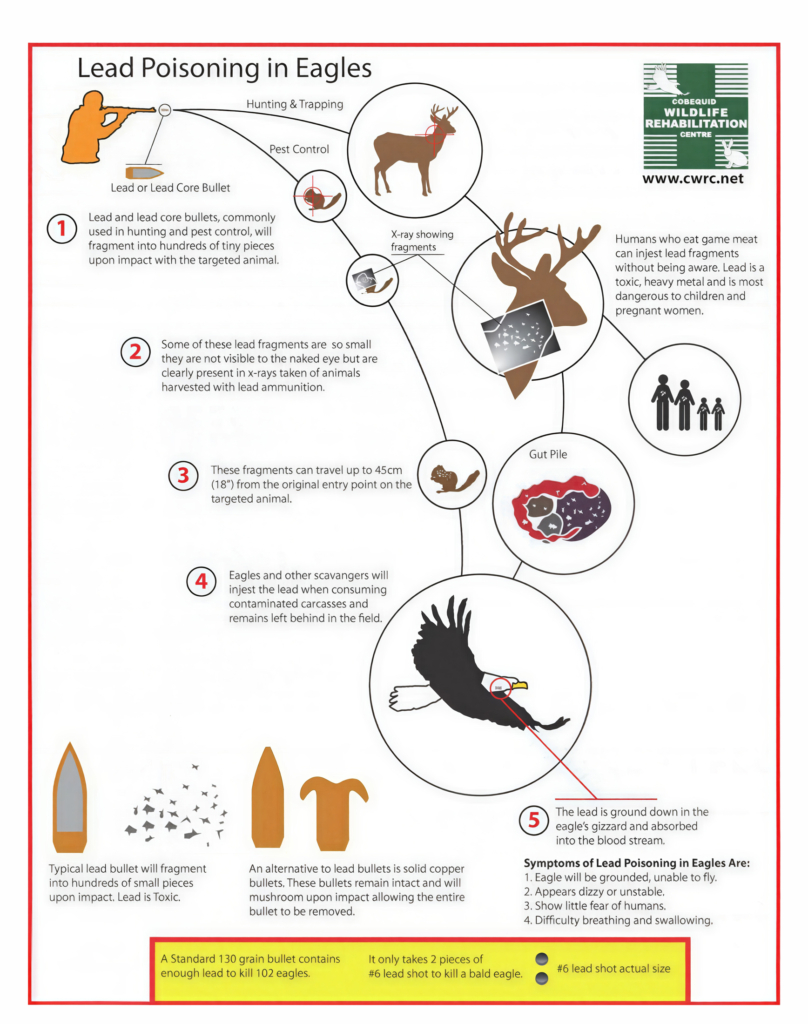
However, feeding on carrion is one of the ways eagles are exposed to lead. Domenech said many hunters in the western U.S. use lead-core, high-velocity rifle bullets designed to fragment upon impact.
“The fragmented lead bullet permeates through the muscle tissue and organs for as far as two feet from the entry wound,” he said.
Hunters unknowingly leave lead-filled carrion behind, which scavengers like golden eagles then consume.
“It’s a huge issue,” Domenech said. “In fact, in a study we did on more than 170 migratory golden eagles, we found that nearly 60 percent of the eagles we captured while migrating south in the fall tested positive for lead.”
In a separate study of wintering bald and golden eagles combined, Domenech and his team found that 87 percent tested positive for lead.
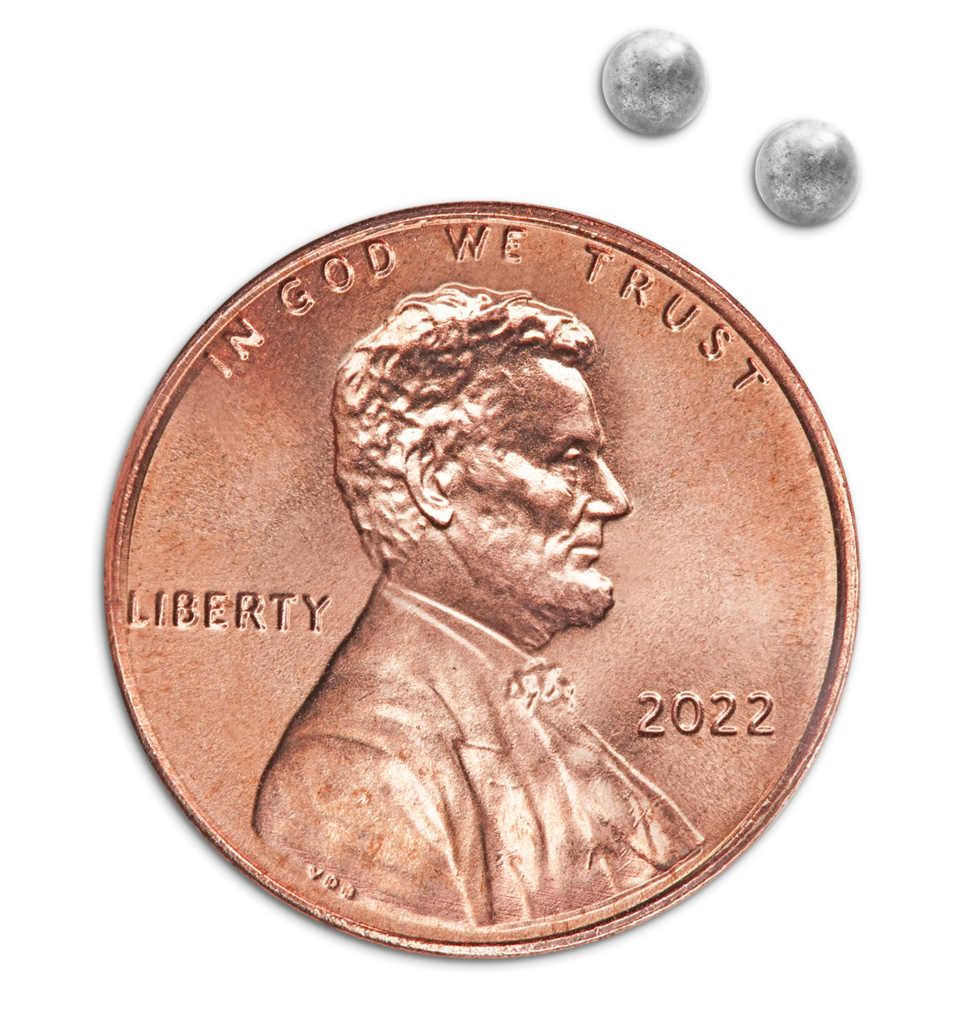
The issue hits close to home for the Aviary, where many of the eagles have been rehabilitated for lead poisoning. The Aviary shared that a lead fragment, even the size of a rice grain, can be enough to take an eagle’s life. Lead poisoning can have severe effects on an eagle’s health, such as damaging cognitive function, kidneys, liver and other bodily systems, and eventually accumulates in the bones.
“All of this contributes to maybe not being able to fly, getting out of the way of a car in time or not being able to hunt as efficiently,” Domenech said. “So, if they can’t hunt as efficiently, maybe now they are more reliant on carrion because they can’t catch prey like they used to. And that perpetuates the problem.”
In lead-poisoned eagles, stress or egg production can cause stored lead to be released back into the body.
“It’s really an insidious neurotoxin that will find its way back into the bird’s system time and time again after accumulation,” he said.
Domenech shared a simple way to help prevent lead poisoning.
“Go to a non-lead alloy and you will not be poisoning the opportunistic scavengers that are feeding on the gut pile that’s left behind after your hunt,” he said. “It’s that simple.”
The Aviary would like to thank the community, Tribal leaders and employees for all their help and support through this journey. To learn more about lead poisoning in eagles, visit raptorview.org. To learn about alternatives to lead and ways to switch and hunt effectively visit sportingleadfree.org. For more information about the Aviary, visit potawatomiheritage.com.