The Citizen Potawatomi Nation’s Cultural Heritage Center provides resources to keep the Tribe’s history safe and accessible for generations to come. One key way the Nation does this is through the CHC’s archives and video interviews. To highlight some of the archive’s holdings, the Hownikan is featuring photographs and family history of every founding Citizen Potawatomi family. If interested in assisting preservation efforts by providing copies of Citizen Potawatomi family photographs, documents and more, and to schedule family interviews, please contact the CHC at 405-878-5830.
Family beginnings
It is believed that the Acton Potawatomi family connection began with Chief Ashkum (James Acton, Sr.) and his marriages to Madeline Oscum and later to Angeline Bellaire, or Azhnick. Angeline was born in 1841. She was the daughter of Ne-ghan-be-quah, who was born in approximately 1805, and Louis Bellaire.
Chief Ashkum was born in the 1700s and served as a headman and leader during the 1800s, speaking out against the loss of the Potawatomi’s ancestral homelands in the Great Lakes region.
He had six children with Madeline: Mary Ann, Susan, Harrison, Cassie, John J. and Joseph. He had four children with Angeline: Helen, Zoa and twins Mary Louise and Julia.
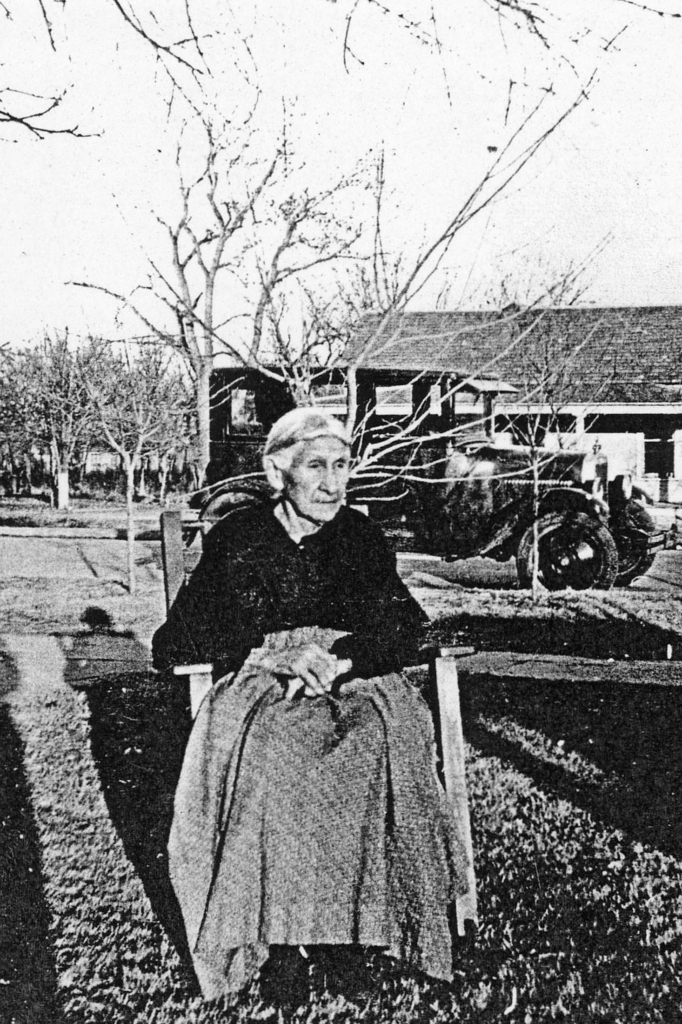
His village was located in northern Indiana, along the Eel River. Acton signed the 1821 Treaty of Chicago. Under the terms of the treaty, nearly all Potawatomi land in southwestern Michigan was ceded. He also signed the 1826 Treaty of Mississinewa and the 1832 Treaty of Tippecanoe. These agreements established an official reservation for Ashkum and his band.
However, his name later appeared on several treaties without his knowledge, including some that revoked Potawatomi land rights. It was not until later as they received their annuity payments that Chief Ashkum and other leaders learned their ownership status had changed.
They tried to appeal to the federal government, declaring that they had not agreed to cede additional land. However, the government didn’t acknowledge their pleas. In 1838, Ashkum and other Potawatomi were forced to leave their homelands when armed federal troops forcibly removed the Potawatomi at gunpoint. The Trail of Death had begun.
On the morning of Sept. 4, 1838, a band of 859 Potawatomi, with their leaders shackled and restrained in the back of a wagon, set out on a forced march from their homeland in northern Indiana for a small reserve in present-day Kansas.
The journey was a 660-mile trek in which the heat was oppressive and water was often scarce. They had only a few hundred horses to carry people and supplies, and additional wagons did not arrive as promised. The elders and small children were forced to walk. A day rarely passed that a member of the party did not die, usually a child, forcing their bereft and exhausted families to leave the bodies behind in hastily dug graves. In the end, more than 40 people died during the forced march.
Change and upheaval
The Acton family would witness tremendous change in their lifetimes. Surviving a forced relocation, they arrived in Kansas. Here, their reservation was located along the Oregon and California Trails. This location would later prove to be desirable to railroad developers.
The Treaty of 1861 would provide for Potawatomi to own land individually through allotments rather than living communally. This treaty also offered the Potawatomi the chance to become U.S. citizens. Many members of the Acton family would choose citizenship and individual allotments, hoping this would provide more stability in the future.
However, the allotment process proved unsuccessful for most Potawatomi due to multiple factors, including the federal government’s failure to uphold all the treaty’s agreements. In 1867, the Tribe pushed for and received a new treaty and purchased land in present-day Oklahoma. Numerous Acton descendants moved from Kansas to the new reservation and established homesteads in southern Pottawatomie County near the Sacred Heart Mission.
Family connections
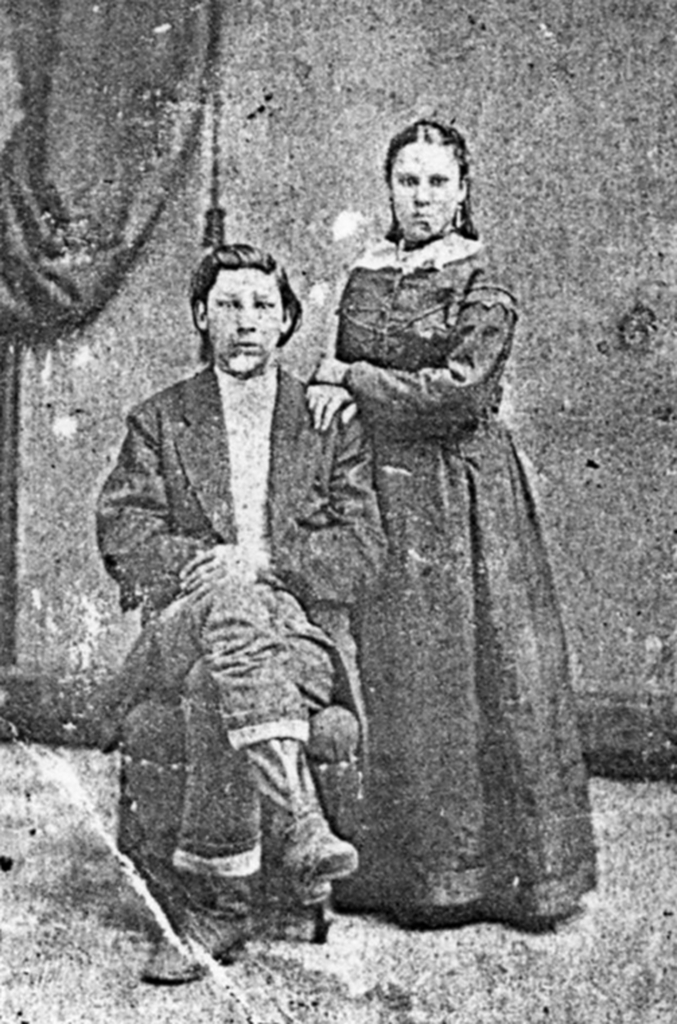
Several of Ashkum’s children married other Potawatomi, including daughter Mary Ann. She wed Wezo Burnett, and after her passing, he married her sister Susan. Together they had two children, Cora and Agnes.
On Nov. 2, 1872, Helen married Charles Richard Rhodd in Rossville, Kansas, and they had seven children together: Viola Alice, Ida Florence, Noah J., David C., Maggie, Thomas and Charles Daniel. Charles Richard kept the books for the Tribe for many years and had vast knowledge of the use of traditional medicines to treat various diseases. Many Indigenous families would ask Charles to treat their ailments rather than a non-Native doctor.
Helen walked on in 1924. Charles walked on in 1928.
John J.’s first wife was Pekeshnoquah and his second was Mary Vasser. Harrison and his wife Mary had one daughter, Madeline, and Cassie and her husband Alex Leonard had two daughters, Lucretia and Lizzie.
Zora had three children with Evanes Doud: Grace, Leroy and Ernest. Mary Louise married Cornelius O’Marra, and they had four children named James, Patrick, Katie and John. Mary Louise’s twin sister Julia had three children with her husband, George, Maggie and Laura Davis.
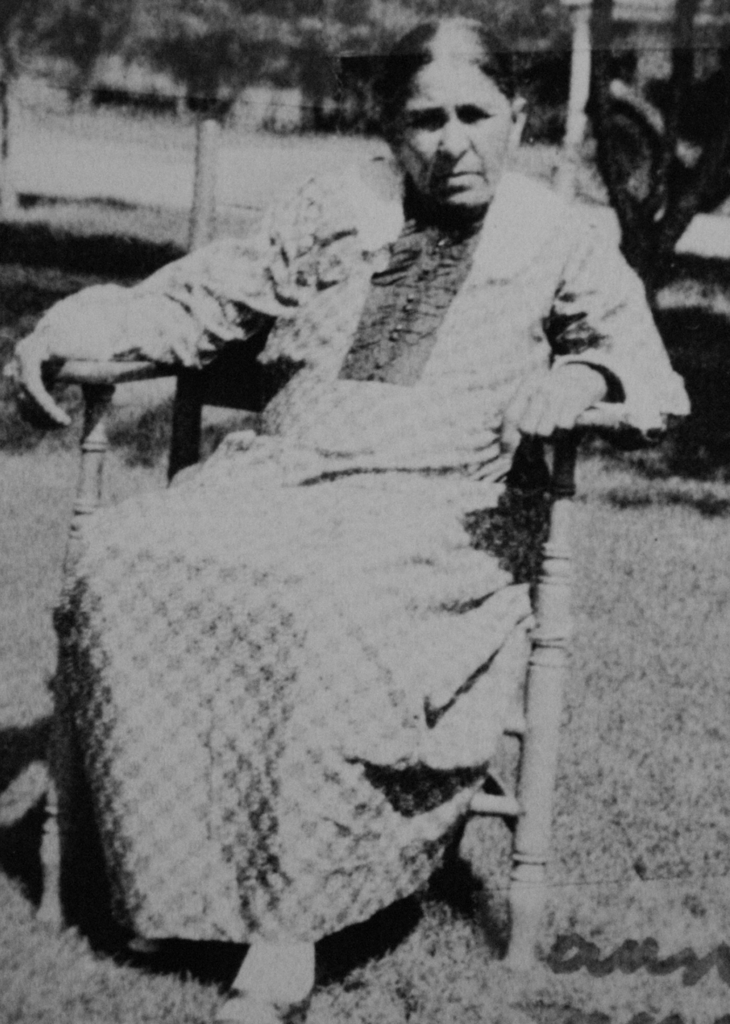
Acton family members were witnesses to some of the most tragic events in Potawatomi history, such as the Trail of Death. However, they were also part of the Tribe’s struggle for survival in the 1800s and eventual resurgence. Many members of the family still reside today in southern Pottawatomie County, where the county’s earliest development took place under the direction of Potawatomi families.
If interested in assisting preservation efforts by providing copies of Citizen Potawatomi family photographs, documents and more, and to schedule family interviews, please contact the CHC at 405-878-5830. Schedule interviews online at portal.potawatomi.org. Learn more about the Family Reunion Festival at cpn.news/festival, and find research resources online at potawatomiheritage.com.