The Citizen Potawatomi Nation’s Cultural Heritage Center provides resources to keep the Tribe’s history safe and accessible for generations to come. One key way the Nation does this is through the CHC’s archives and video interviews. To highlight some of the archive’s holdings, the Hownikan is featuring photographs and family history of every founding Citizen Potawatomi family. If interested in assisting preservation efforts by providing copies of Citizen Potawatomi family photographs, documents and more, and to schedule family interviews, please contact the CHC at 405-878-5830.
Family beginnings
In 1830, the Indian Removal Act forced the Potawatomi and other Indigenous people to sign treaties, accept the reservation system and leave their ancestral lands in the Great Lakes. The Treaty of Chicago, in 1833, promised the Potawatomi new lands, annuities and supplies. In 1837, the Potawatomi removed from Wisconsin and Illinois to Council Bluffs, Iowa.
Josephine Bennett (Osy-sin-ga) married a fur trader named Alexander Peltier, Sr., at Council Bluffs in 1838. Osy-sin-ga was born in about 1815 in Illinois. Alexander was born in about 1811 in Ohio. The Peltier family was from Detroit, Michigan. Alexander went into the fur trading business, and he worked with the area’s Native American tribes, including the Potawatomi.
Alexander and Josephine’s children were Ezekiel, Sophia, Alexander B., Victoria, John B., William H., Louise and Robert. The four oldest children were born in Iowa while the four youngest children were born in Kansas.
The Potawatomi had worked hard to adapt to their adopted home of Iowa, but as settlers eyed the Iowa reservation lands, the Potawatomi were removed again to Kansas in 1846 under the Council Bluffs Treaty. In 1861, Potawatomi leaders met with federal officials to negotiate another treaty. The agreement provided for land allotments and U.S. citizenship in Indian Territory. Two-thirds of the Tribe accepted allotment and made the often-treacherous journey to what would eventually become Oklahoma.
There, they found empty prairies where they had to build homes and create infrastructure. Yet again, they persevered and found a way to thrive.
Alexander Sr. walked on in 1880. Allotment records from 1887 show that Josephine, age 60, received an allotment in Indian Territory. It is believed she walked on sometime after 1888.
Family bonds created
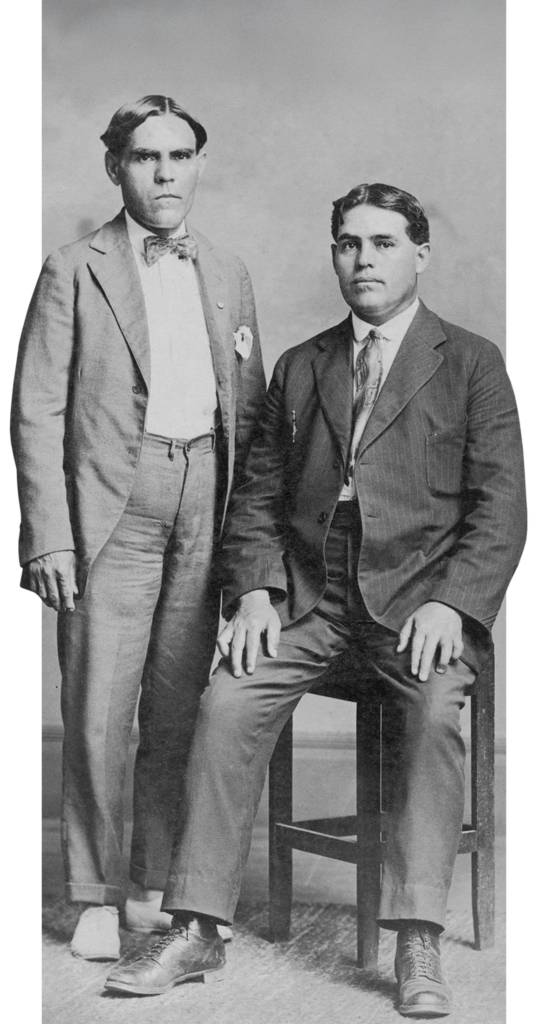
Ezekiel and his wife, Pearl, were the parents of Pearl Susie (Hackney) and Richard Eugene. Ezekiel also had a son named Lonnie Lee. Records did not reveal that Sophia Peltier married or had children. Alexander B. was married to his first wife, whose name is unknown. He married a second time to Ellen (Bourbonnais). Alexander was the father of Alice (Slattery Davis), Caroline (Pambogo), Clarissa (Mars McGown) and Catherine “Kitty” (Bourbonnais). He would later serve on the business committee in the 1890s in Kansas. Alexander B. walked on in 1906.
Victoria married Charles Lamontine in 1866. They had a daughter named Sophia Mary Lamontine and a son named Charles Leander Lamontine. The couple divorced in 1871. She later married Henry Bradley, and they had Glennie E., Nora C. and Clarence W. After Bradley’s death, Victoria married Lawrence Archambault and then Samuel Ezell but did not have additional children.
John married Helen Vieux in 1869. They lived in Wamego, Kansas, where John worked as a stone mason. Helen accepted an allotment and she and John went to Oklahoma to pick their allotment. She recalled in an interview that the wild turkeys on the allotment were plentiful. However, as settlers arrived in the area, their shotguns scared many of the turkeys away from the area. John walked on in 1907. They were the parents of John B., Ezekiel, Joseph E., James A., Clarence A. and Paul E.
Louisa was the mother of Nellie Bohner and Frank A. Bohner. Records did not reveal the name of her husband.
Robert Felix and his wife Victoria married in about 1883.They were the parents of Robert Eli and Josephine Rosa.
William H. married Rose Marquis in 1870. They had William, Cordelia, Jenett, Henry A., Arthur, Rosa Mabel, Elizabeth and Oliver A. Henry, Willie, Arthur, Mary, Oliver, Mabel and Cristy.
Oliver A. married Ozetta Izora Bourassa. Their children were Mildred Louise, Ruby Cecilia, Kathleen Rose, Oliver Thurman, Gerald Leroy, Raymond Paul, Kenneth Eugene, Annetta May and Willa Lou. Oliver Sr. served as a deputy U.S. Marshall and worked to maintain the peace in the area and chase down bootleggers in the county. At the time, bootleggers were contributing to the crime and violence that was often perpetrated against Indigenous people in Indian Territory.
Legacy of leadership
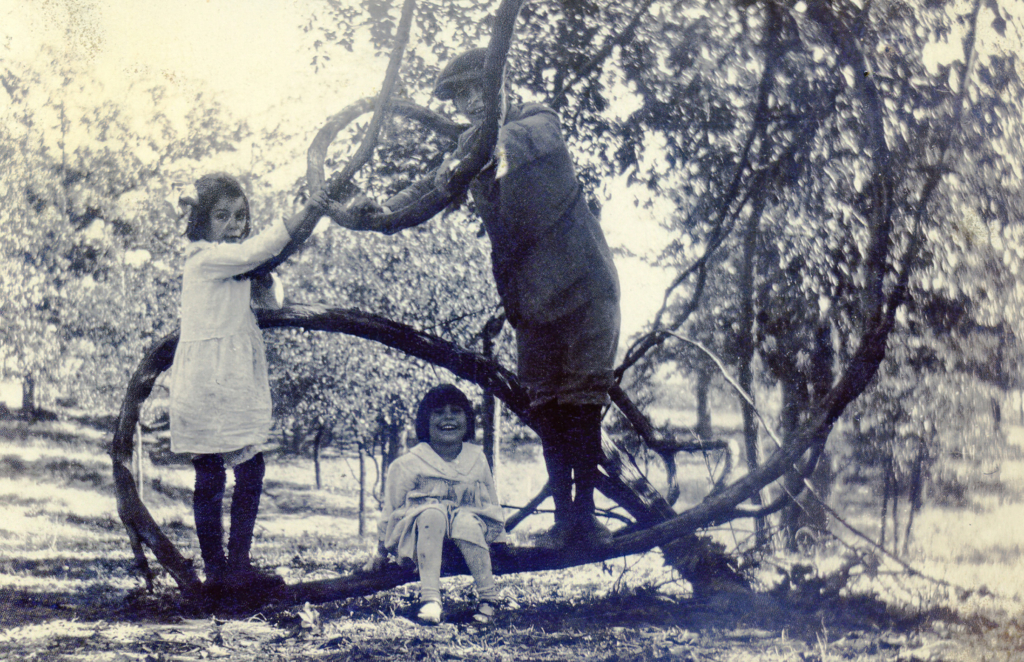
Three of Oliver and Ozetta’s sons would later serve the Potawatomi as leaders. Raymond and Gerald were on the CPN business committee and Kenneth was a tribal secretary.
Oliver’s daughter, Annetta May, married John A. Barrett Sr. Their son was John A. Barrett Jr.
“Rocky” Barrett would later serve as vice chairman and tribal administrator before being elected chairman in 1985.
This legacy of leadership has helped transform the Nation in several ways. By reforming the Tribal constitution, the government’s structure was clarified, powers of authority were outlined, checks and balances were established, and the rule of law and its enforcement were put into place. The Nation’s government has since expanded to include 13 elected legislators, and the Tribe has an economic impact of more than $550 million and is the largest employer in Pottawatomie County.
If interested in assisting preservation efforts by providing copies of Citizen Potawatomi family photographs, documents and more, and to schedule family interviews, please contact the CHC at 405-878-5830. Schedule interviews online at portal.potawatomi.org. Learn more about the Family Reunion Festival at cpn.news/festival, and find research resources online at potawatomiheritage.com