The Citizen Potawatomi Nation’s Cultural Heritage Center provides resources to keep the Tribe’s history safe and accessible for generations to come. One key way the Nation does this is through the CHC’s archives and video interviews. To highlight some of the archive’s holdings, the Hownikan is featuring photographs and family history of every founding Citizen Potawatomi family. If interested in assisting preservation efforts by providing copies of Citizen Potawatomi family photographs, documents and more, and to schedule family interviews, please contact the CHC at 405-878-5830.
Bourassa
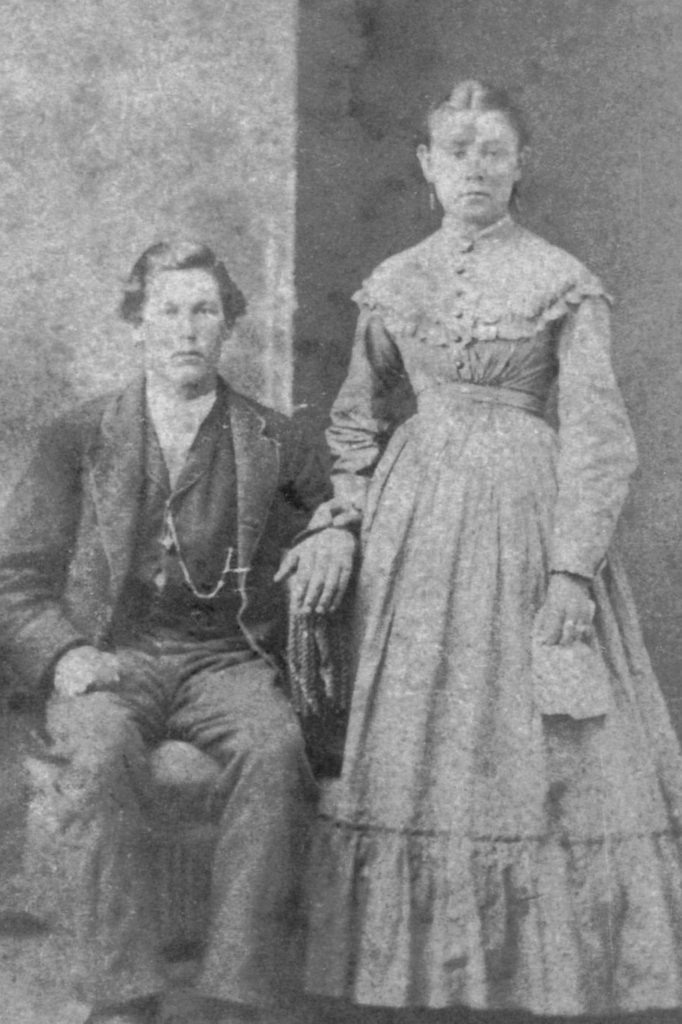
Members of the Bourassa family played a large role in the development of both the fur trade and French-Native American relations. Bourassa descendants would eventually live in Fort Michilimackinac in northern Michigan. This fort was located near several Nishnabé villages, helping Bourassa fur traders gain a foothold in the United States.
Daniel Bourassa’s son, Daniel II, married a Chippewa/Ottawa woman named Theotis Pisange (Aranwaiske). She was the niece of Chief Shabbona, and they settled near the Yellow River in Indiana. Together, they had 12 children: Joseph Napoleon, Mark, Jude, Lazarus, Stephen, Gabriel, Eloy, Alexander, Daniel III, Jaques, Elizabeth, and one child that passed away.
The family lived outside of Potawatomi Chief Menominee’s village in northern Indiana in the late 1830s. They were forcibly removed on the Trail of Death in 1838.
Joseph Bourassa signed the Treaty of 1861 that granted members allotments and the opportunity to become U.S. citizens. Like many agreements made with the federal government, this treaty had negative consequences for the Potawatomi people.
After the Treaty of 1867, most of Jude and Joseph’s children began moving to present-day Oklahoma, while some remained in Kansas. Many took allotments on the southern portion of the reservation. Joseph remained in Kansas and passed away in 1877.
Burnett
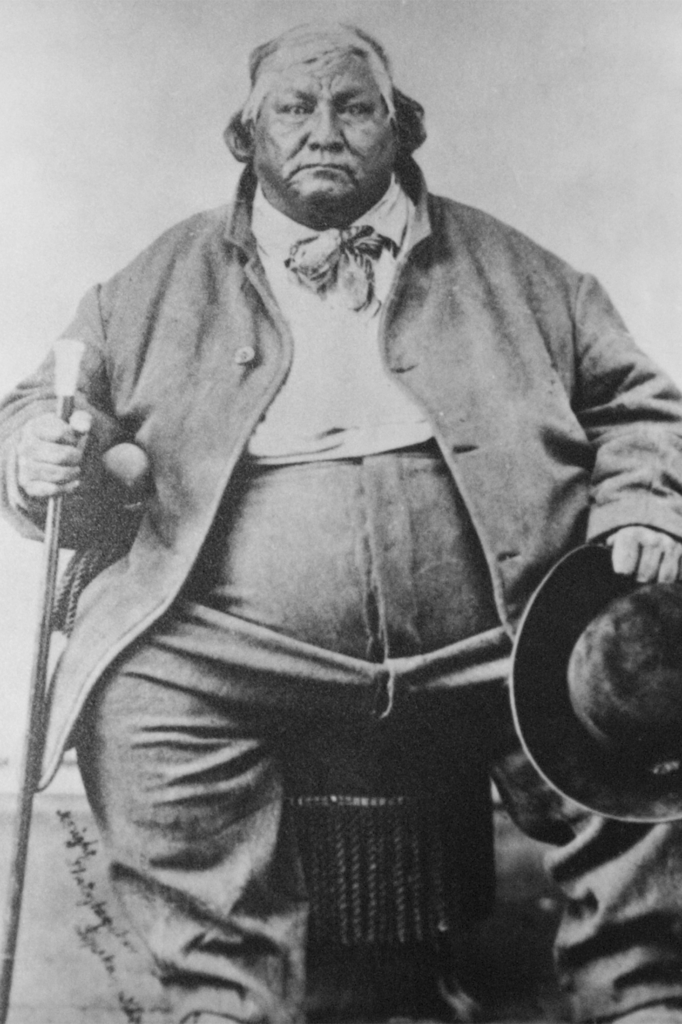
Kaukima, daughter of Potawatomi Chief Nanaquiba (Water Moccasin) and sister to Potawatomi Chief Topinabee (He Who Sits Quietly), married French fur trader William Burnett. Kaukima and William had seven children: James, Abraham, John, Isaac, Jacob, Nancy and Rebecca. In 1826, Abraham received three sections of land near Logansport, Indiana, and a community 13 miles west of it bears his name — Burnettsville.
Although Abraham never married, he would later adopt a younger cousin. Nanweshmah (He Prays With Plants) was born in Indiana near the Tippecanoe River in November 1812 to Chief Shauquebe and his wife, Conezoquah. Abraham Burnett was a cousin of Conezoquah. After Conezoquah and Chief Shauquebe passed away, Abraham Burnett adopted Nanweshmah. Nanweshmah took his adopted father’s name and became known as Abram Burnett.
Abram studied at the Carey Mission in Fort Wayne, Indiana, and the Choctaw Academy in Kentucky. He worked as an interpreter for church and governmental purposes. Burnett married a Potawatomi woman named D’mooshkeekeeawh.
As more and more settlers wanted land in the Great Lakes region, Potawatomi and other Native American tribes lost most of their ancestral homelands. On Sept. 4, 1838, the Potawatomi began their forced removal, walking 660 miles from Indiana to Kansas on the Trail of Death. More than 40 Tribal members perished on the journey, mostly women and children. Because of Chief Burnett’s background, he also served as an interpreter on the Trail of Death, helping lend a voice to his people.
Burnett and others later established successful businesses and took advantage of the Oregon Trail that cut through the Potawatomi Reservation. He became a successful farmer and sold livestock. Burnett supported efforts to create a community approved business committee.
Melot
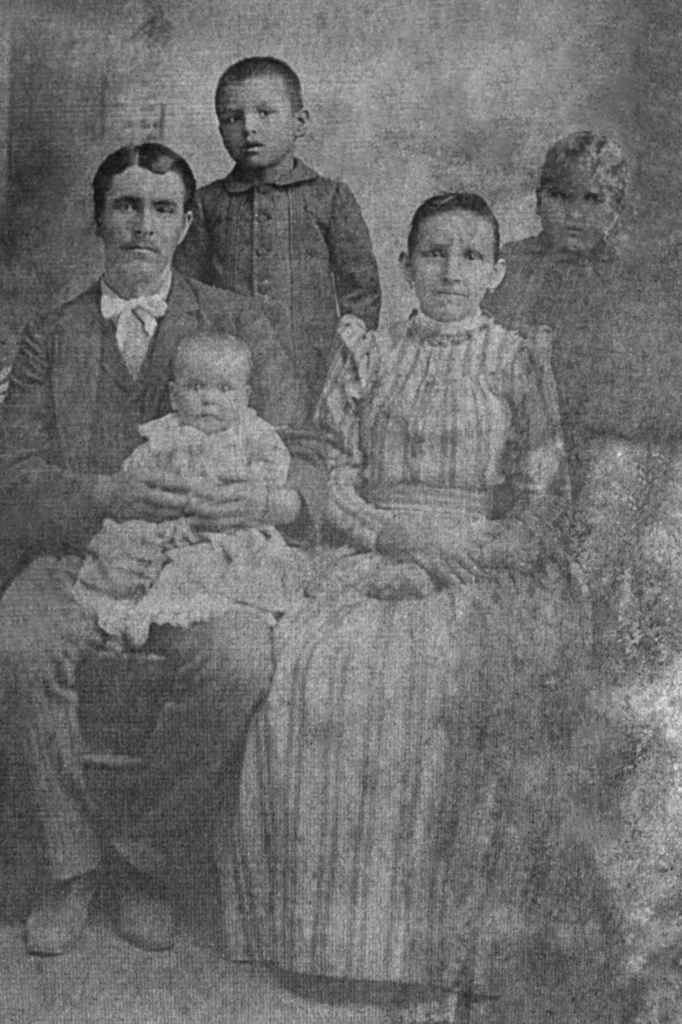
The Melot family traces their roots to French immigrants Joseph Melot and Claude Melot. Joseph married Catherine (Katy) Bergeron, the daughter of Francois Xavier Bergeron and Wat-che-kee (sometimes spelled Watseka), or Josette Bergeron. Claude married Theresa Frances Navarre. Together, Francois and Wat-che-kee had Jean (John) Batiste, Catherine (Katy), Matilda and Charles.
When the Potawatomi were forced out of their Iowa lands in 1846 by the Council Bluffs Treaty, they removed to a reservation of 567,000 acres in Kansas. However, settlers and railroad companies began pressuring the U.S. government to open Kansas land for settlement. The Potawatomi, displaced from their ancestral homelands, were now being forced from their adopted home in Kansas. The U.S. government offered citizenship and individual allotments to the Kansas Potawatomi. Katy Melot was among those who accepted.
The town of Wanette, Indian Territory, was founded March 19, 1894, by Joseph and Katy Melot. The couple owned 240 acres on which the first townsite was built. Three years after establishing his home site, Joe returned to Kansas and helped six other families move to Oklahoma Territory in 1871. They traveled in a wagon train of 14 covered wagons.
When Wat-che-kee died in 1875, she was buried in an unmarked grave just southwest of the present day site of the Wanette Cemetery in Indian Territory. Her husband, Francois, died in 1881 and was buried in the Wanette Cemetery.
In 1876, a council led by Peter the Great approved the plan for Joe and Katy to grant some land to the Benedictine Order of the Catholic Church to establish a mission. Robot established Sacred Heart Mission, where many Potawatomi youth were educated. The town prospered, boasting of successful cotton gins, hardware stores, banks, a brick kiln and saloon. Soon a school was built, and more people flocked to the burgeoning town.
Navarre
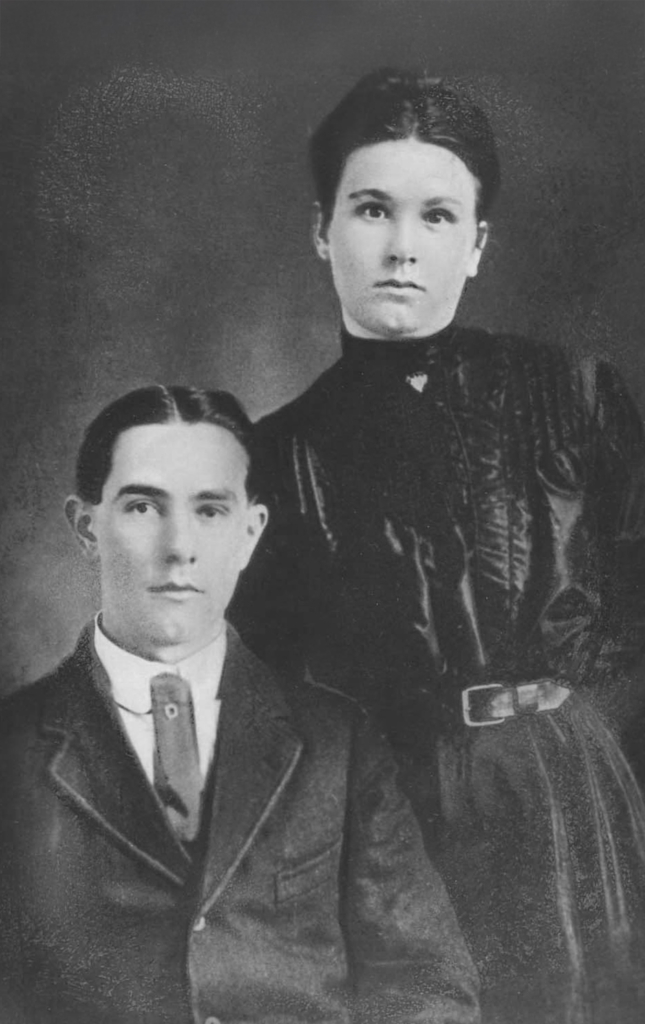
The roots of the Navarre family reach back to an 1834 wedding in Pokagon’s village in Indiana. Kis-naw-kwe, a daughter of Potawatomi chief Wabaunsee (Break of Day), married French fur trader Pierre Navarre.
Wabaunsee, born Nakses (Shining Sun), had earned a reputation as a powerful and influential leader among the Potawatomi, Odawa and Ojibwe of Illinois and Indiana. He was opposed to American expansion but recognized the need to maintain peace for the protection of his people. With his people in mind, Wabaunsee made many visits to Washington, D.C. to discuss potential treaties.
Kis-naw-kwe was baptized and took the name Angelique. Pierre had worked with the American Fur Company. Later, he established his own trading post, and his marriage to Kis-naw-kwe and alliance with the Potawatomi contributed to his business success.
During the 1860s, the Potawatomi were faced with a significant decision. The U.S. government offered citizenship and individual allotments to the Potawatomi in Kansas in order to obtain the land. The group that accepted U.S. citizenship and individual allotments in Indian Territory became known as the Citizen Band. The group that preferred to live communally in Kansas became known as the Prairie Band. Some members of the Navarre family continued to live in Kansas while others made the move to Indian Territory.
Harrah, Oklahoma, was established thanks to Louis Navarre. The land for the original site of Harrah was donated by Louis, who was first to arrive at his allotment in the 1870s. While a plaque outside the city’s history museum mentions Navarre’s contributions, the town was later named in 1898 for Frank Harrah. However, Navarre Street is prominently located near the center of town.
CPN Vice-Chairman Linda Capps is a Navarre descendant. Capps has been a CPN elected official since 1987. In June of 1990, she was elected vice-chairman of the Nation, a position she still holds today. A career educator, she has always emphasized the importance of education. Drawing inspiration from her ancestors, Capps works for the betterment of her community, volunteering her time on numerous local boards and leadership organizations.
Peltier
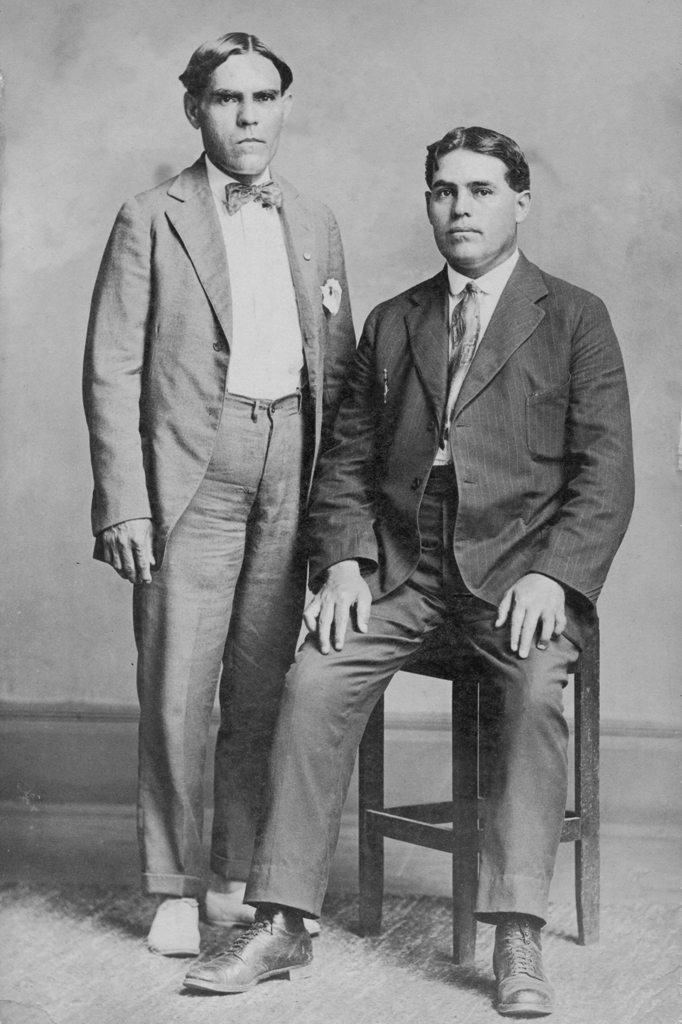
After Nicholas Peltier arrived in America, he worked as a carpenter. His son Alexander went into the fur trading business, and he worked among the area’s Native American tribes, including the Potawatomi.
In 1837, the Potawatomi removed from Wisconsin and Illinois to Council Bluffs, Iowa. Alexander Peltier, Sr., married a Potawatomi woman named Josephine Bennett (Osy-sin-ga), at Council Bluffs. Alexander and Josephine’s children were Ezekiel, Alexander B., Victoria, John B., William H. and Louise.
As settlers eyed the Potawatomi reservation, the Potawatomi were removed again to Kansas in 1846 under the Council Bluffs Treaty. Alexander Jr. would later serve on the business committee in the 1890s in Kansas. He married Helen Bourbonnais. They had Alice (Slattery Davis), Caroline (Pambogo), Clarissa (Mars McGown) and Catherine “Kitty” (Bourbonnais).
John married Ellen Vieux. John and Ellen lived in Wamego, Kansas, where John worked as a stone mason. Ellen accepted an allotment and she and John went to Oklahoma to pick their allotment. Ellen recalled in an interview that the wild turkeys on the allotment were plentiful. However, as settlers arrived in the area, their shotguns scared many of the turkeys away from the area. They were the parents of John B., Ezekiel A., Joseph E., Edward, James A., Clarence A. and Paul E.
William H. married Rose Marquis. They had Cordelia, William, Henry A., Arthur, Rosa Mabel, Oliver and Mary C.
Oliver married Ozetta Bourassa. Their children were Mildred Louise, Ruby Cecilia, Kathleen Rose, Oliver Thurman, Gerald Leroy, Raymond Paul, Kenneth Eugene, Annetta May and Willa Lou. Oliver Sr. served as a deputy U.S. Marshall and worked to maintain the peace in the area and chase down bootleggers in the county.
Ozetta’s grandfather, father, father-in-law and three of her sons would serve the Potawatomi as leaders. Raymond and Gerald were on the CPN business committee and Kenneth was a tribal secretary.
Annetta May married John A. Barrett Sr. They had John A. Barrett Jr. “Rocky” Barrett would later serve as vice chairman from 1974-1975, tribal administrator in 1983, then was elected Chairman in 1985.
Wamego
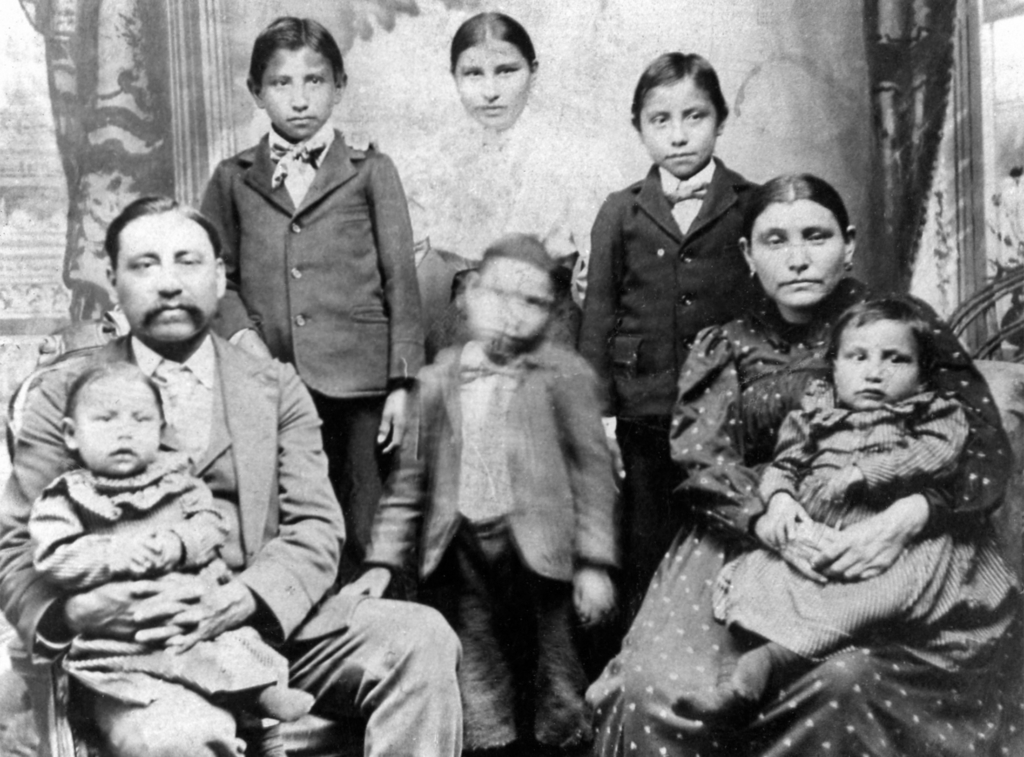
Chief Wamego was among the Potawatomi leaders who worked to protect his people as they experienced countless hardships during the removal period. The Potawatomi, part of the Three Fires Confederacy, had flourished in the Great Lakes region, which included parts of present-day Wisconsin, southern Michigan, northern Indiana and northern Illinois. Trade routes along the rivers and trails spanning from Indiana to Chicago allowed the Potawatomi, Ojibwe and Odawa to connect and communicate with each other.
In 1830, the U.S. Congress passed the Indian Removal Act and forced all tribes to relocate west of the Mississippi River. The U.S. government was motivated to stop the continual conflict between tribes and settlers following the 1832 Black Hawk War.
The 1833 Treaty of Chicago set the terms for the Potawatomi to be forced from their ancestral homelands. More than 5,000,000 acres of land, cash payments and tracts of land west of the Mississippi River were included. Potawatomi chiefs, including Wamego, believed the settlers, backed by the U.S. government, would continue to push into Native lands. They believed it was in the best interests of their people to find a peaceful solution and ensure their survival.
After the treaty was ratified in 1835, it wasn’t until 1838 that tribes had to leave. This would lead to an unimaginable tragedy for Wamego and the Potawatomi.
In 1838, the Potawatomi were forced to walk 660 miles from northern Indiana to eastern Kansas. In September of 1838, Wamego was among the Potawatomi chiefs who were tricked into meeting with the U.S. government. Instead of a meeting, Wamego and the other leaders were shackled in the back of a wagon. From there, 800 Tribal members were forced to walk with little food, hardly any water and no shelter. More than 40 people died on the journey. The survivors arrived in Kansas in November of 1838.
In Kansas, Wamego had a son named Joseph Che-quas Wamego. Joseph Che-quas married Julia Battese. Their children were Harry, Willie, Catherine, Eli, Rose, Thomas, Agnes, Fannie and George.
George and Harry were listed on the 1887 land allotment of the Prairie Band Potawatomi. A directory for the Ship Shee Cemetery in Jackson County, Kansas, lists Joseph, Julia and several family members buried there.
The town of Wamego, Kansas, later received its name in 1866 in honor of Chief Wamego of the Potawatomi, whose pursuit of peace helped to ensure the survival of his people.
Willmet
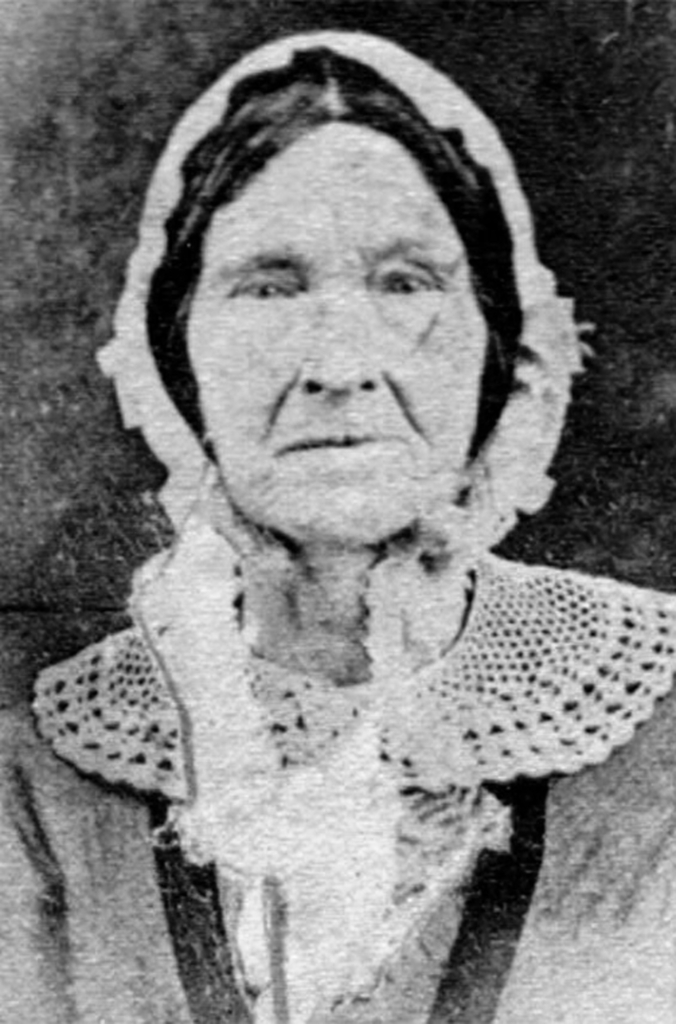
The Chicago, Illinois, area owes its earliest development to a Potawatomi family. Antoine Wilmet (Wilmette) was a French-Canadian fur trader and early resident of Fort Dearborn in Illinois. As an agent for the American Fur Company, he first moved to the area in 1790. Antoine married Archange Chevalier in 1796. She was the daughter of Francois and Marianne (Chopa). They had eight children: Sophia, Joseph, Louis, Francois, Elizabeth, Michel, Archange and Josette.
Archange was from a prominent Potawatomi family. With his wife’s ties to the area Potawatomi leaders, Antoine was able to remain in the area following the Battle of Fort Dearborn and the War of 1812. Following the war, he was the only non-Native resident of the area. He also worked as a farmer and guide.
The family lived in a cabin near what is known today as the village of Wilmette, Illinois. Traders and travelers were known to stop there to visit.
Antoine was involved in the negotiations of the 1833 Treaty of Chicago that caused the removal of the Potawatomi from the Great Lakes and established reservations in Missouri and Iowa. Five years after the treaty, Antoine, Archange and their family removed to Council Bluffs, Iowa.
Archange walked on in 1840. Antoine passed in 1841. Their children would later petition the U.S. government to sell their mother’s land holdings in Illinois. The government purchased 640 acres for $1,000.
Vieux
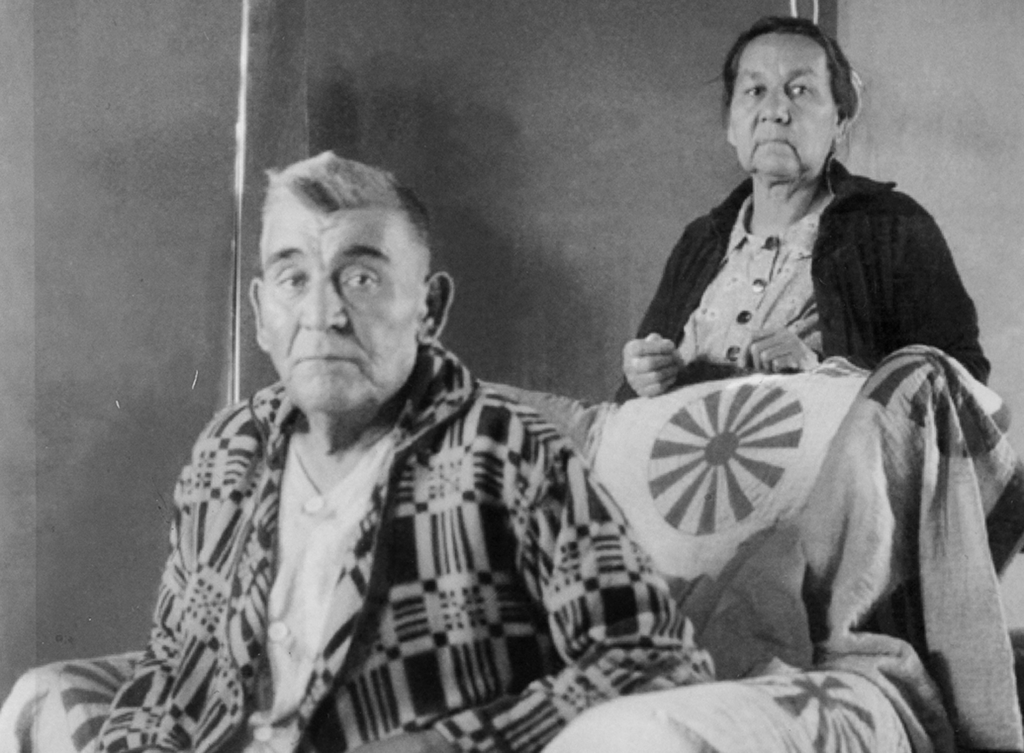
Jacques Vieux, a non-Native fur trader, married a Potawatomi woman, Angeline LeRoy at Green Bay, Wisconsin. Angeline was the niece of On-au-ge-sa, a Potawatomi chief. Jacques and Angeline had a son named Louis.
Louis Vieux, Sr. later succeeded his father as chief fur trader. Louis met his wife, Sha-note (Charlotte) in Michigan. Sha-note was the daughter of Che-shaw-gan, a prominent leader among the St. Joseph Potawatomi. After Louis and Sha-note married in about 1830, they moved to present-day Milwaukee, Wisconsin. Their children Madeline (Nadeau) and Jacob “Jake” were born there.
When the U.S. government forced the Potawatomi from their ancestral homelands under the Indian Removal Act of 1830, Louis and Charlotte left Milwaukee for Council Bluffs, Iowa, joining other Potawatomi on the United Bands Reservation. The family lived in Council Bluffs for approximately 20 years.
Louis Vieux, Sr. often acted as an interpreter and helped the Potawatomi during business or government transactions. He was later elected chief. With a keen business sense, he was also known for his fair treatment of all and his generous nature.
As the government in Iowa began to push for statehood, the Potawatomi were again forced to relocate. In 1846, the family joined others leaving for Kansas. They settled in Indianola, near present day Topeka. The Vieux family began farming and raising stock while Louis continued helping with Tribal business or assisting those who were sick or needed help.
Louis later established a home on the banks of the Vermillion River, intersecting the famed Oregon Trail, operating a lucrative toll bridge through the 1850s and 1860s. He was appointed to the first Potawatomi Business Committee. As a delegate, Louis traveled to Washington, D.C. to negotiate on the tribe’s behalf. Louis walked on in 1872.
If interested in assisting preservation efforts by providing copies of Citizen Potawatomi family photographs, documents and more, and to schedule family interviews, please contact the CHC at 405-878-5830. Schedule interviews online at portal.potawatomi.org. Learn more about the Family Reunion Festival at cpn.news/festival, and find research resources online at potawatomiheritage.com.